
Aromatherapy in India: Essential Oils, Diffusers & How to Start
Aromatherapy is the everyday use of pure plant essential oils for their aroma — to make a room feel calm, fresh or energising. This guide covers how it works, the best aromatherapy oils for Indian homes, diffuser recipes, dilution and safety, with pure dōTERRA oils priced in rupees.
What is aromatherapy?
Aromatherapy uses the aromatic compounds of plants — concentrated as essential oils — to influence how a space and a moment feel. A few drops of lavender in a diffuser at night, a breath of peppermint before study, wild orange in the kitchen in the morning: that is aromatherapy in everyday life.
Scent works quickly because smell is the one sense connected directly to the parts of the brain involved in mood and memory. That is why a familiar aroma can instantly feel calming, refreshing or nostalgic. Aromatherapy is a complementary wellness practice for atmosphere and routine; it is not a replacement for medical advice or treatment.
India has one of the oldest aromatic traditions in the world — sandalwood and tulsi in worship, khus (vetiver) curtains in summer, attars from Kannauj, and aromatic oils in Ayurvedic massage. Modern aromatherapy builds on the same plants, now with steam-distilled and cold-pressed oils that are tested batch by batch for purity.
Three ways to use aromatherapy oils
Diffuse
Add 3–5 drops to the water of an ultrasonic diffuser and run it for 30–60 minutes in a ventilated room. The easiest way to fill a whole room with aroma.
Diffuser guideInhale
Breathe in directly from the bottle, put a drop on a tissue or cotton pad, or add 2–3 drops to a bowl of hot water. Ideal at work, in the car or while travelling.
No diffuser? Try thisApply, diluted
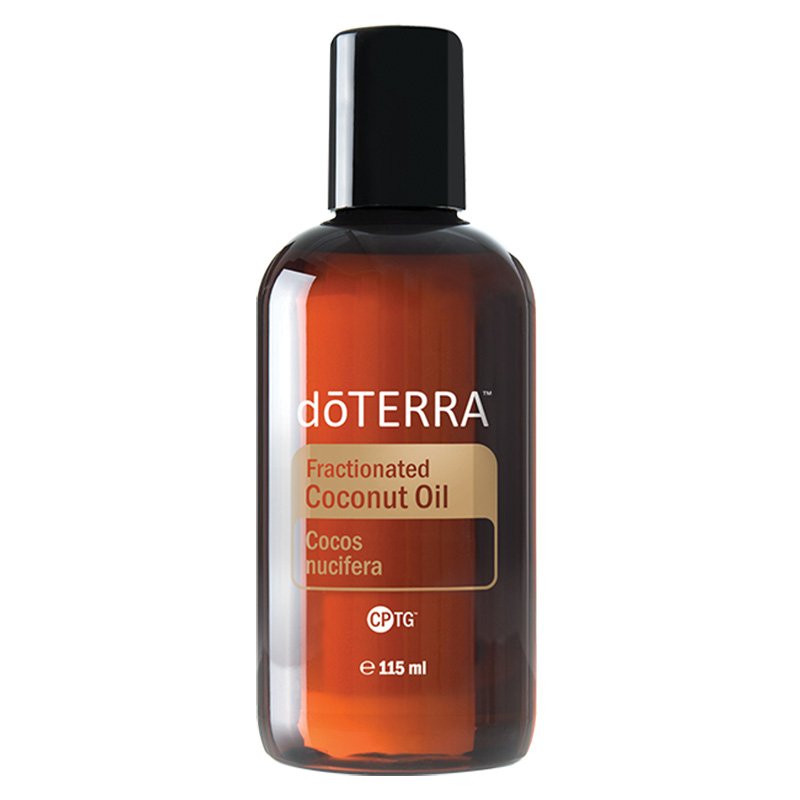
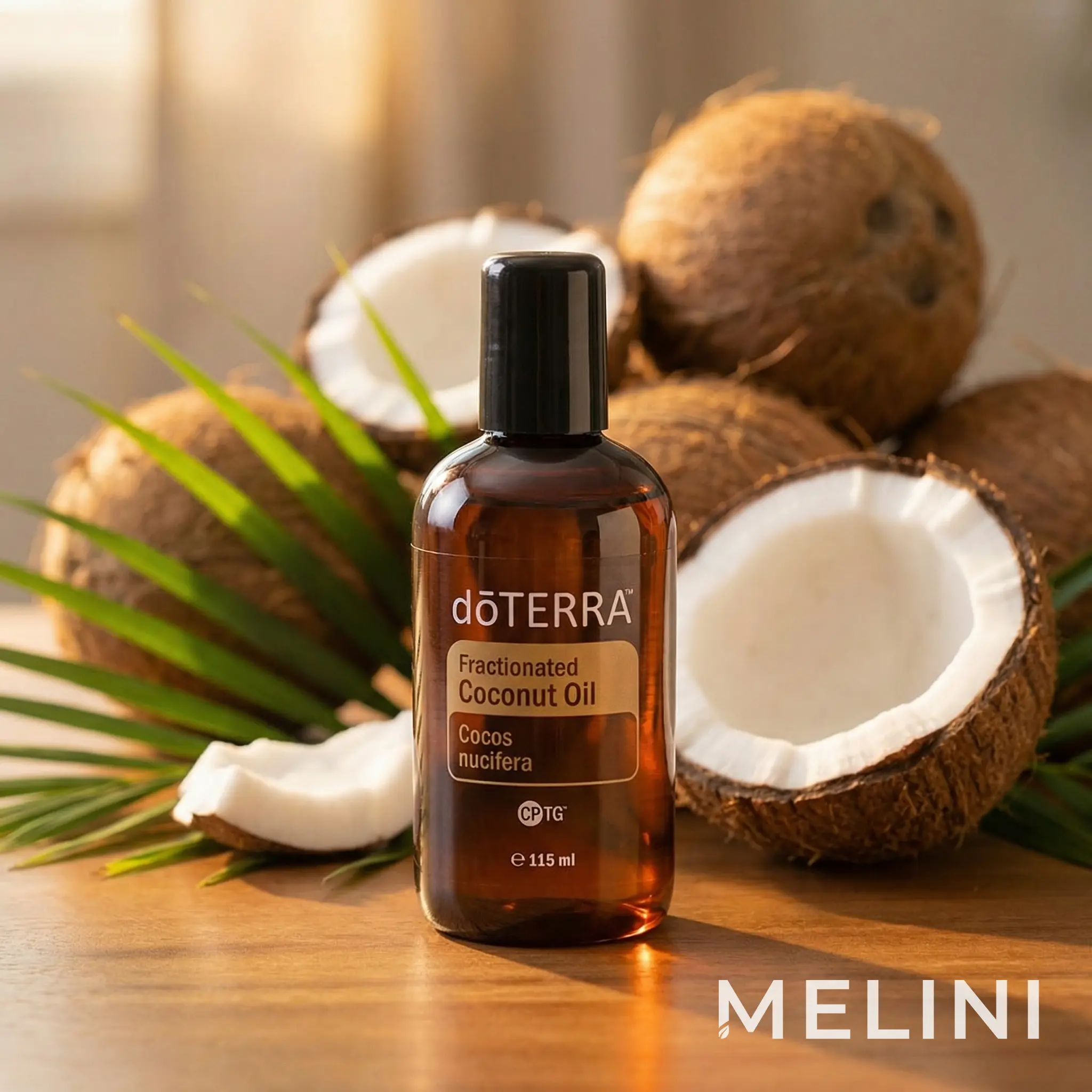
Mix with a carrier oil such as fractionated coconut oil (1–2% for adults) and apply to wrists, neck or feet as part of a massage or self-care routine.
Safe topical useThe best essential oils for aromatherapy
If you are new to aromatherapy, start with three oils: lavender for evenings, peppermint for focus and wild orange for a bright mood. These twelve cover almost every everyday use:
| Oil | Aroma | How people use it |
|---|---|---|
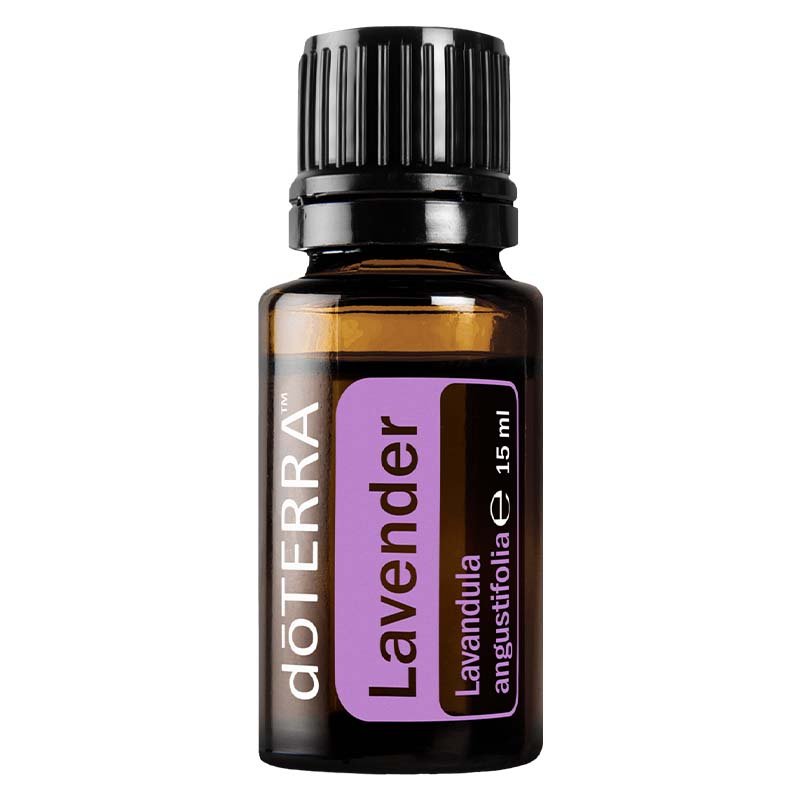
| Lavender | Soft, floral, herbaceous | The classic evening oil. Diffuse 3–4 drops at bedtime or add one drop to your pillowcase for a calm wind-down routine. |
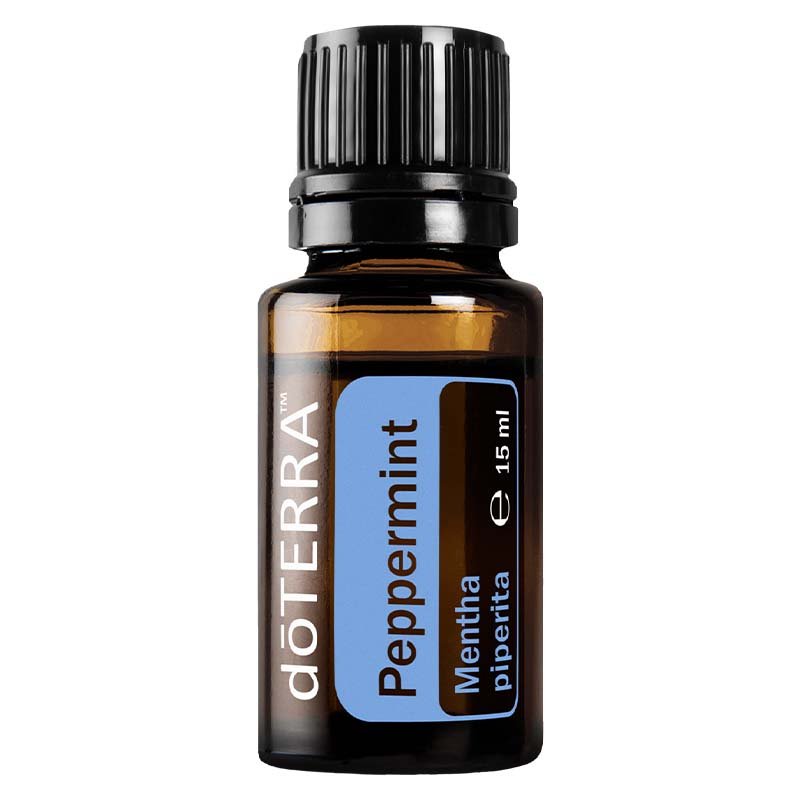
| Peppermint | Cool, sharp, minty | A crisp, wakeful aroma for study time, long drives or a mid-afternoon reset. Inhale from the bottle or diffuse 2 drops. |
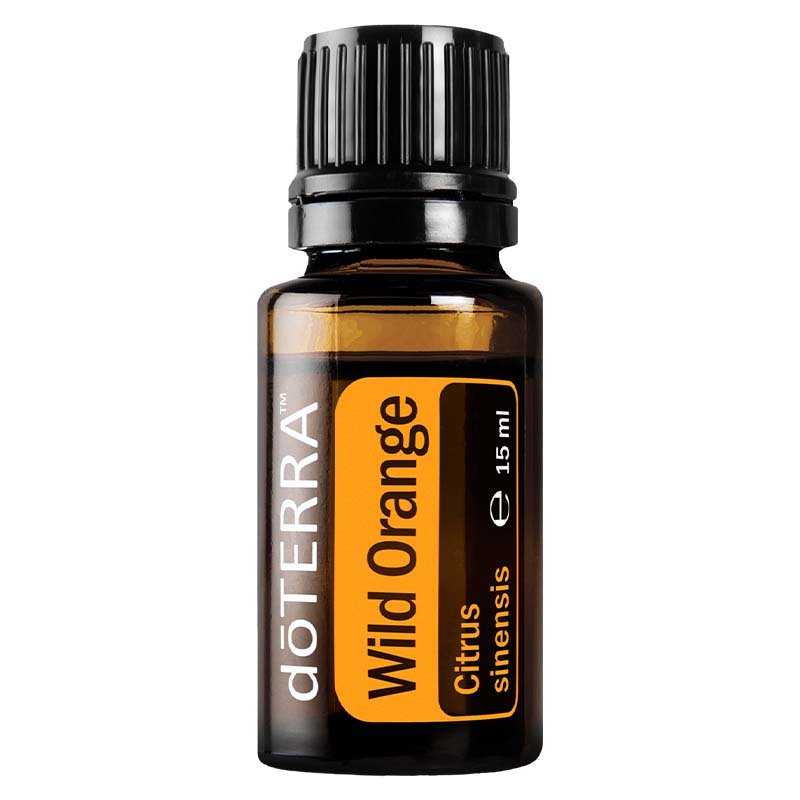
| Wild Orange | Sweet, bright, citrus | Cheerful and uplifting. One of the most popular diffuser oils in Indian homes for mornings and family time. |
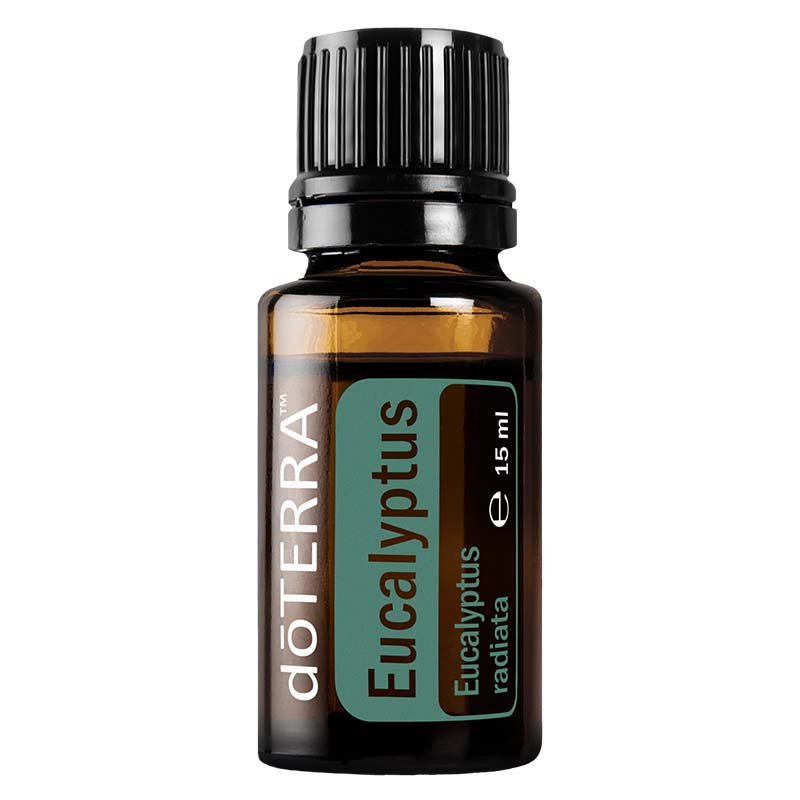
| Eucalyptus | Fresh, camphorous, clean | Creates a clear, open-air feeling — popular during the monsoon and in the morning shower steam. |
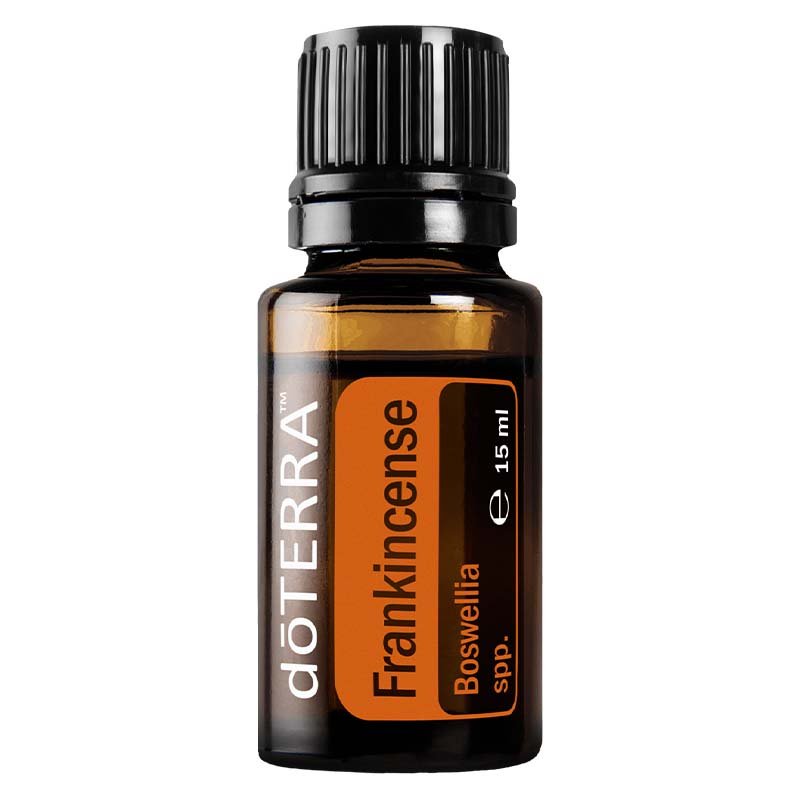
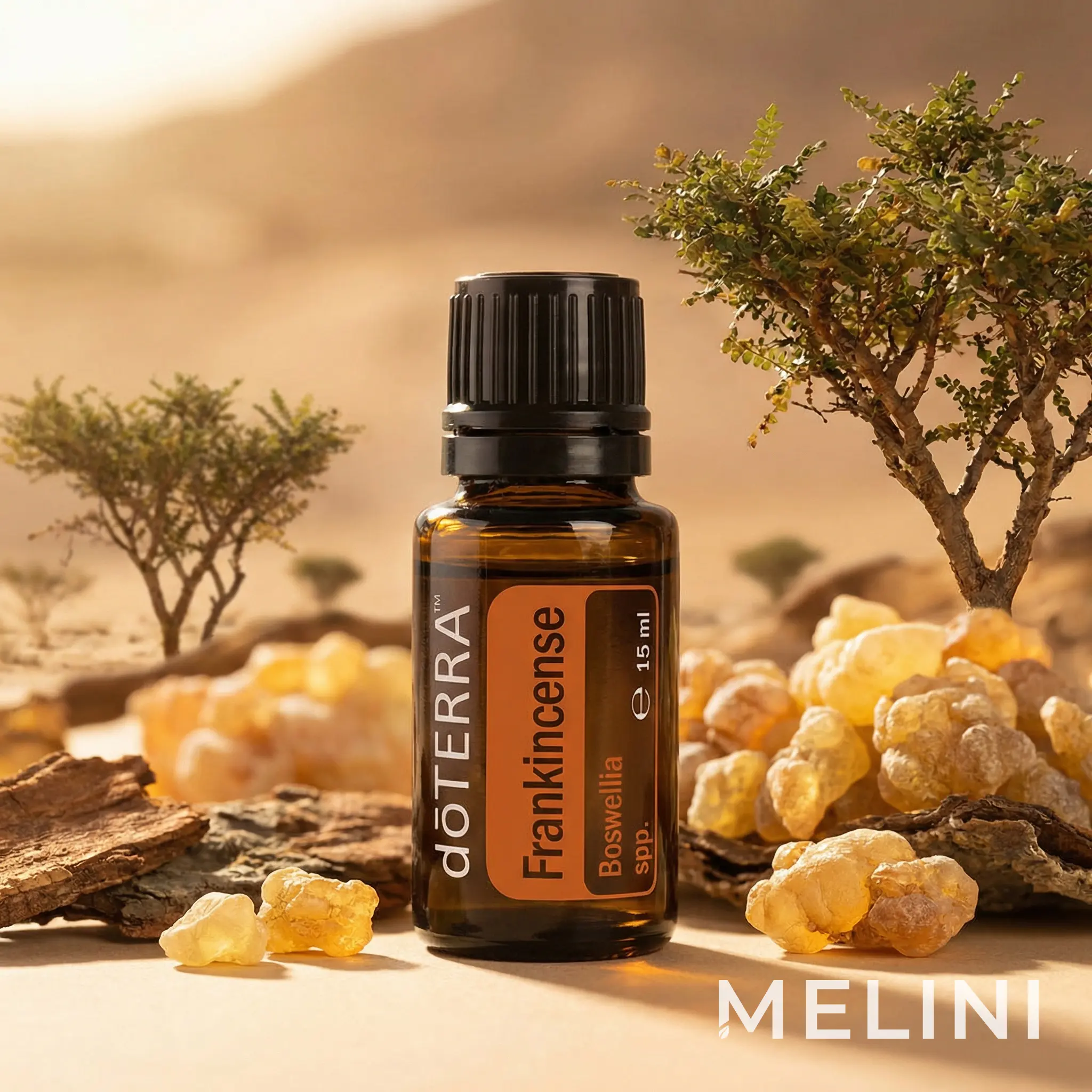
| Frankincense | Warm, woody, resinous | A grounding aroma for meditation, yoga and quiet moments. Blends well with almost every other oil. |
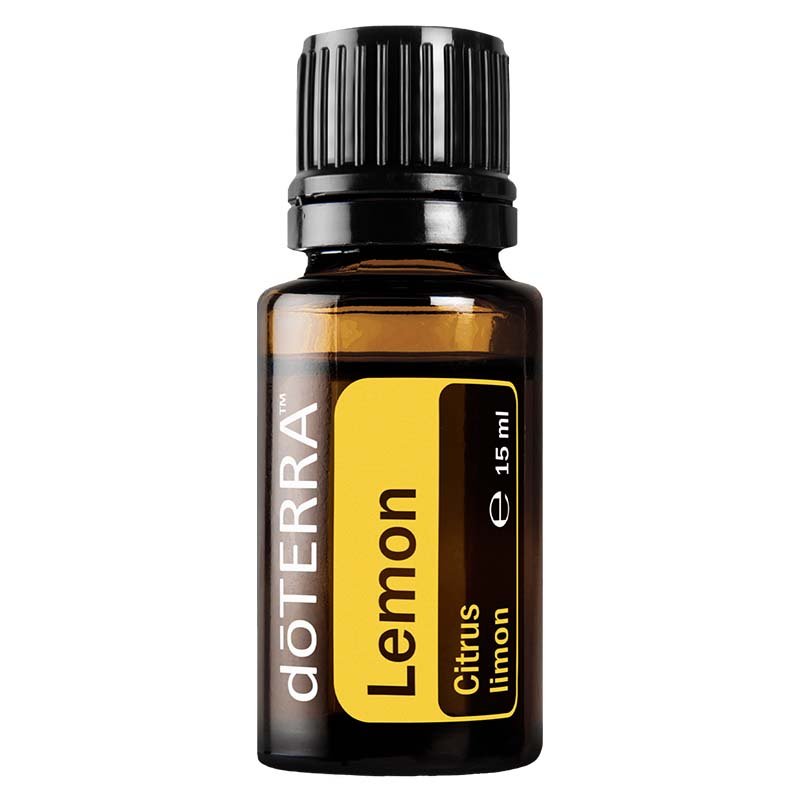
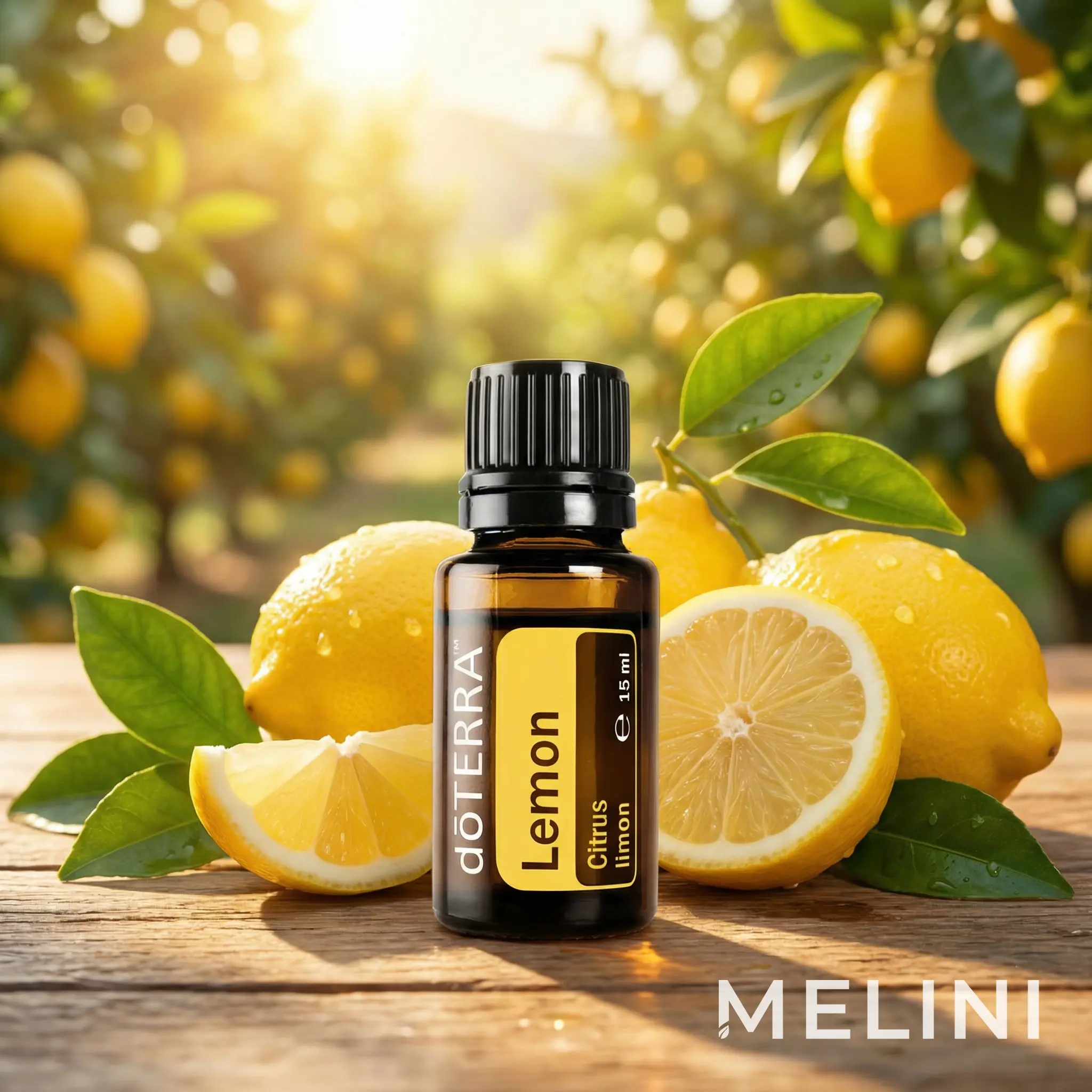
| Lemon | Zesty, clean, bright | Freshens kitchens and living rooms. Diffuse with peppermint for an energising daytime blend. |
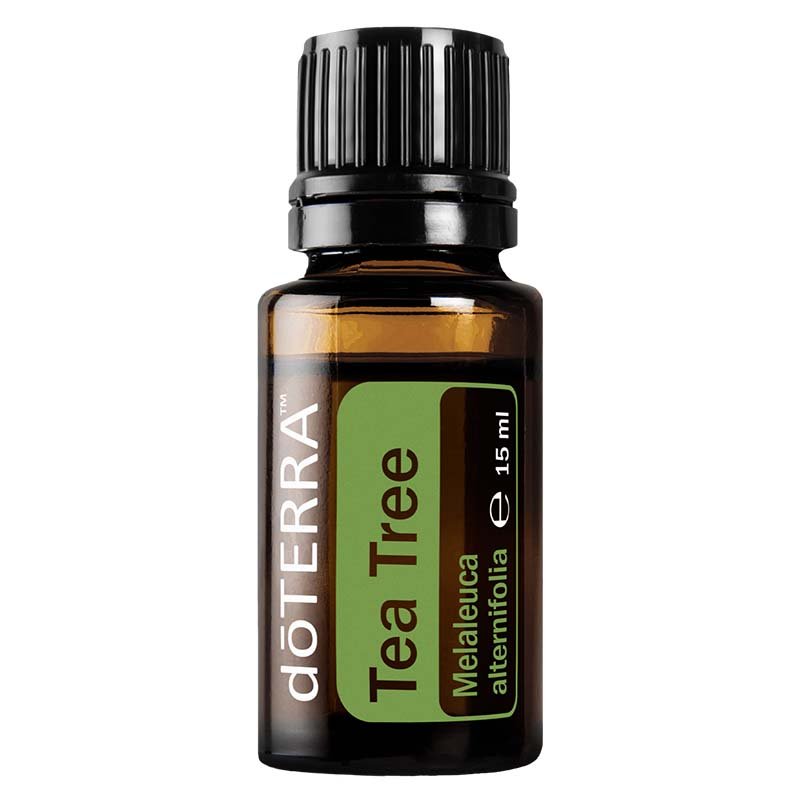
| Tea Tree | Medicinal-fresh, green | A purifying, clean aroma for bathrooms and shared spaces; also a staple in DIY cleaning sprays. |
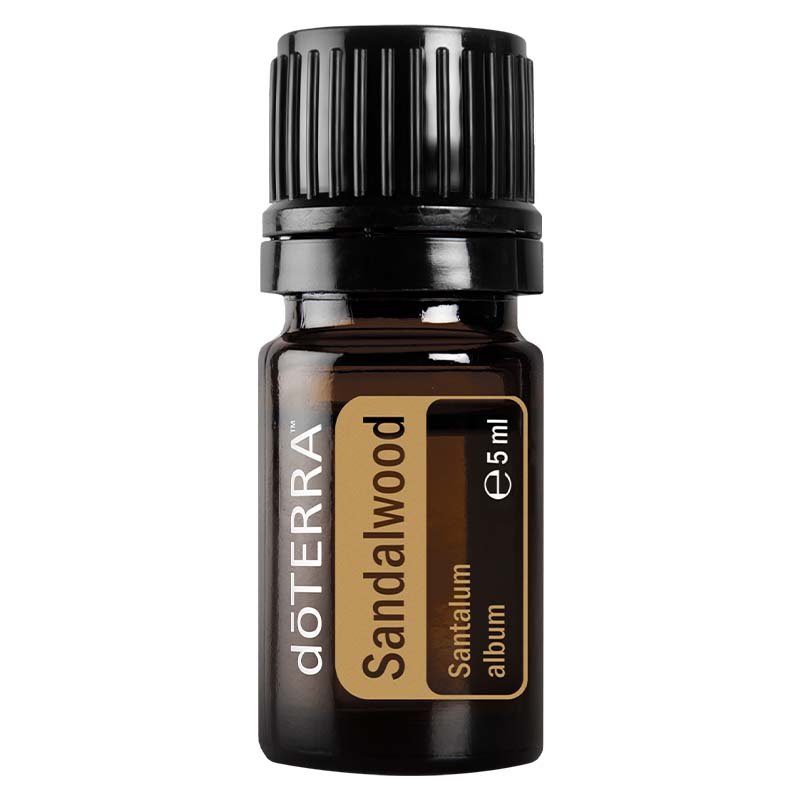
| Sandalwood | Creamy, woody, sacred | Rooted in Indian tradition. Used for meditation, puja and calm evenings — a little goes a long way. |
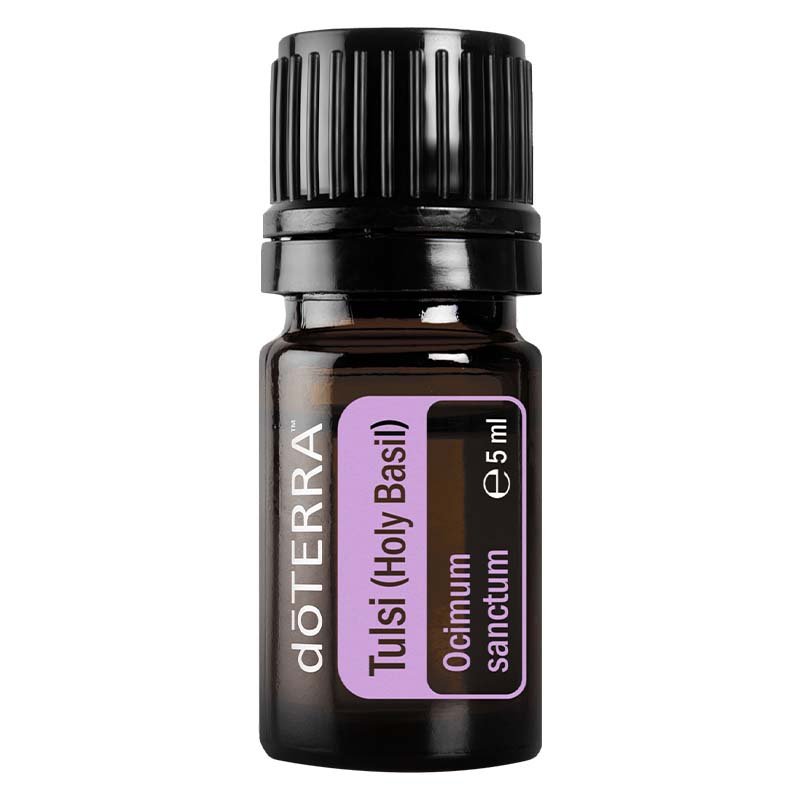
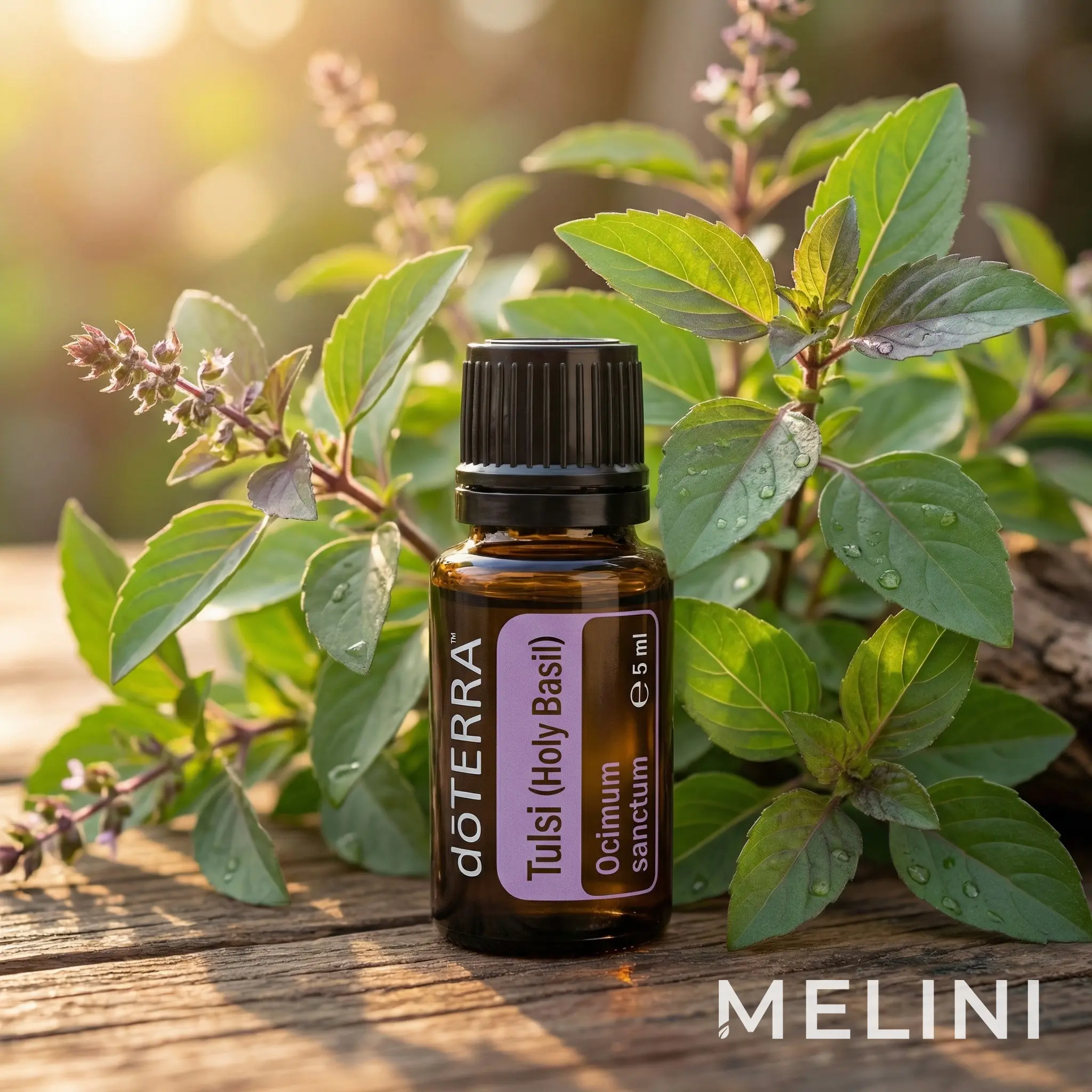
| Tulsi (Holy Basil) | Spicy, herbal, warm | A beloved Indian aroma for balancing, centring routines. Diffuse with frankincense or wild orange. |
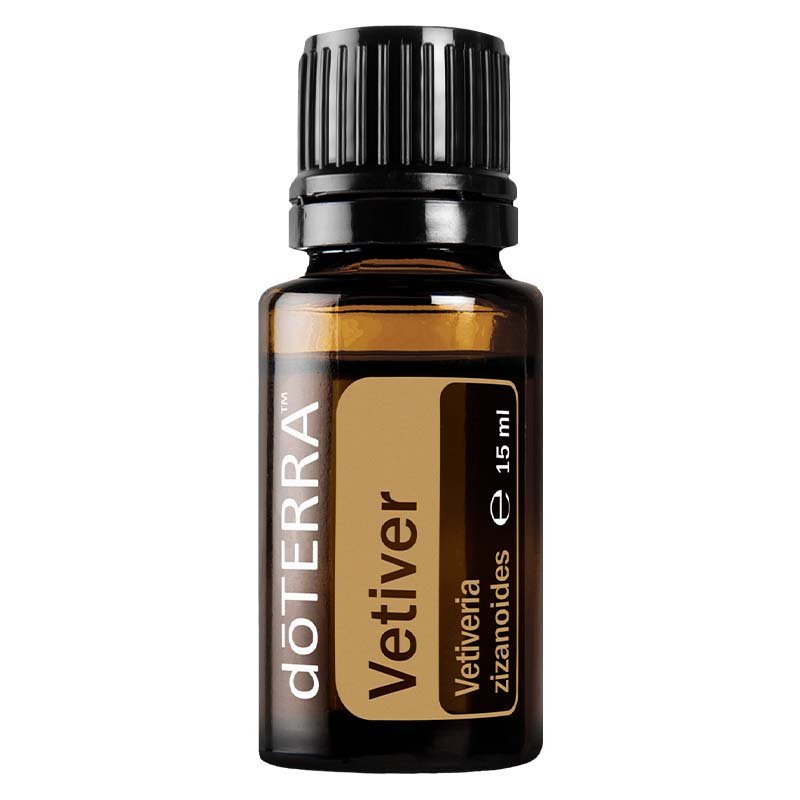
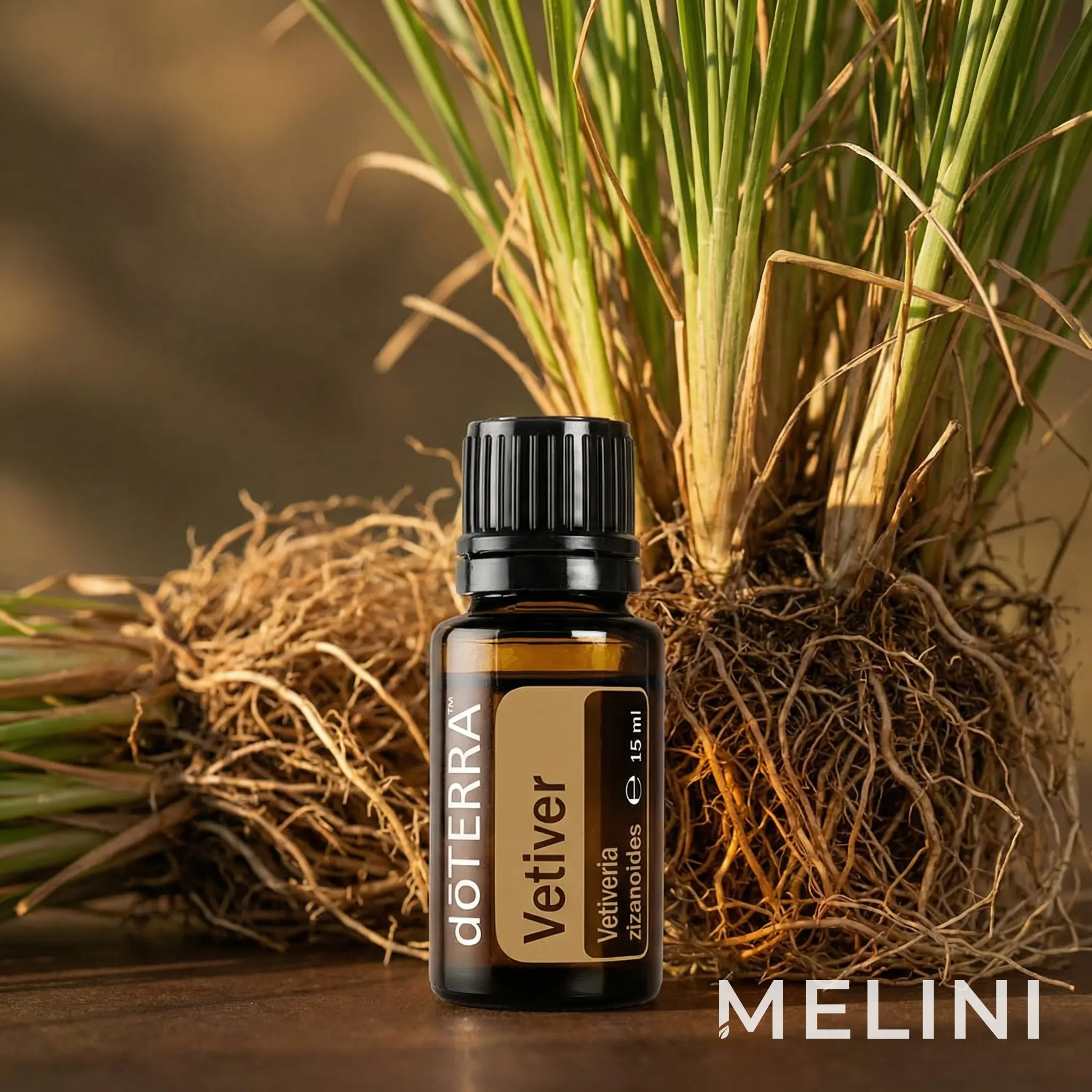
| Vetiver (Khus) | Earthy, smoky, deep | The aroma of the traditional khus curtain. Grounding and slow — ideal for the last hour of the day. |
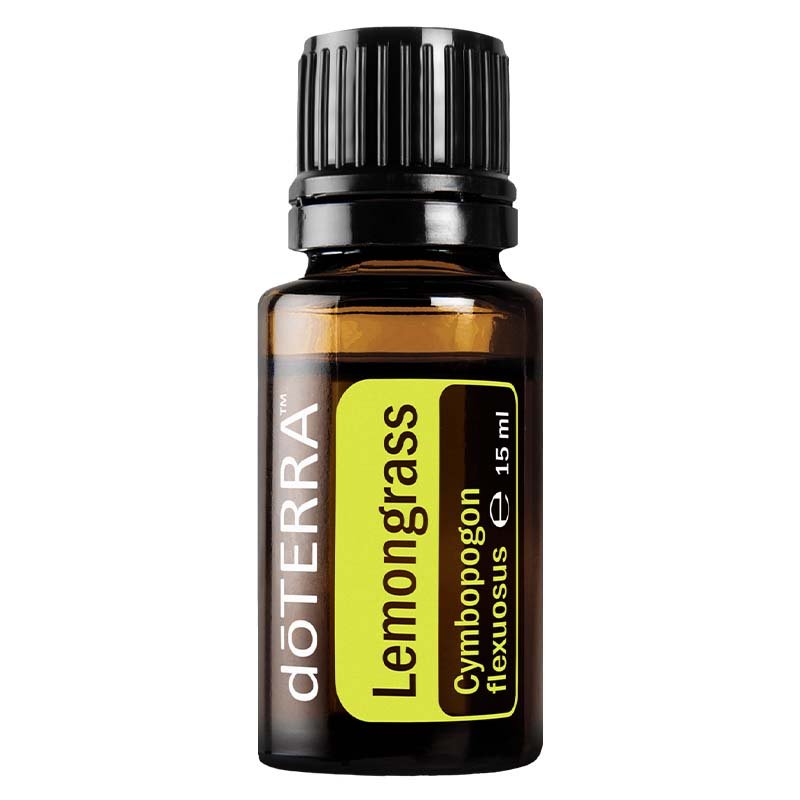
| Lemongrass | Grassy, lemony, fresh | A bright, outdoor-fresh aroma that keeps rooms feeling clean, especially in humid weather. |
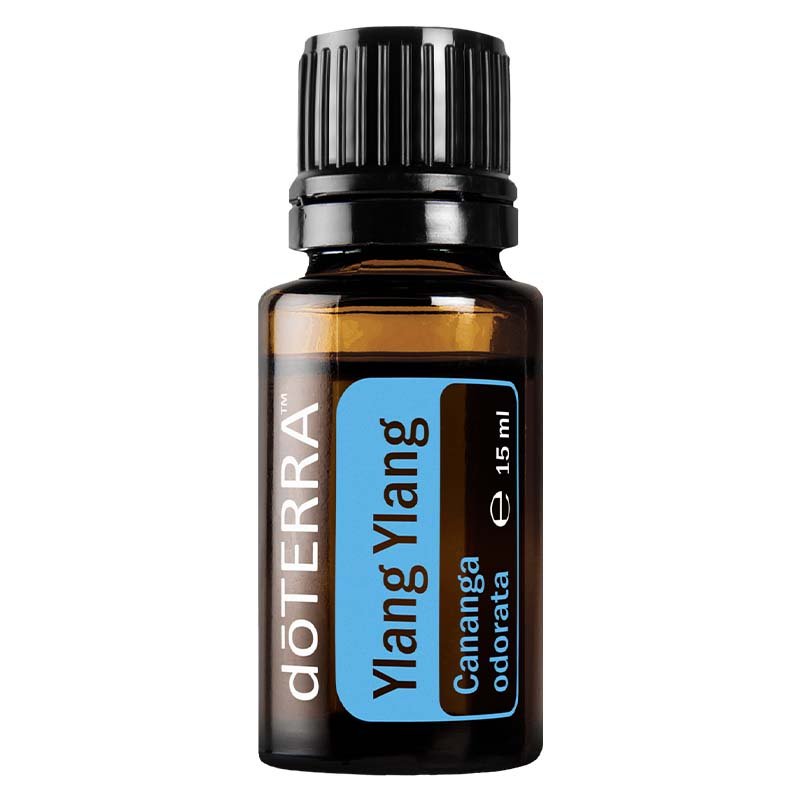
| Ylang Ylang | Rich, sweet, exotic floral | A romantic, relaxing floral. Pair with lavender or wild orange for a softer blend. |
Shop pure aromatherapy oils (₹)
Easy aromatherapy diffuser blends
Drops are for a standard 100–200 ml ultrasonic diffuser.
Calm evening
3 drops lavender + 2 drops frankincense + 1 drop vetiver
Fresh morning
3 drops wild orange + 2 drops peppermint
Study focus
2 drops peppermint + 2 drops lemon + 1 drop rosemary
Monsoon fresh
3 drops eucalyptus + 2 drops lemongrass + 1 drop tea tree
Meditation & puja
2 drops sandalwood + 2 drops frankincense + 1 drop tulsi
Clean kitchen
3 drops lemon + 2 drops lemongrass
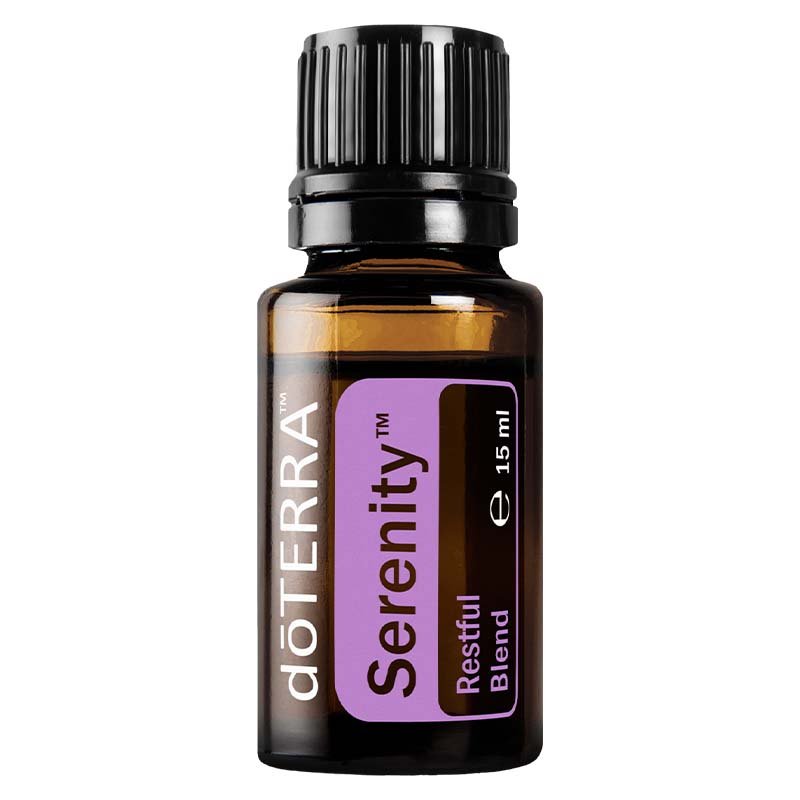
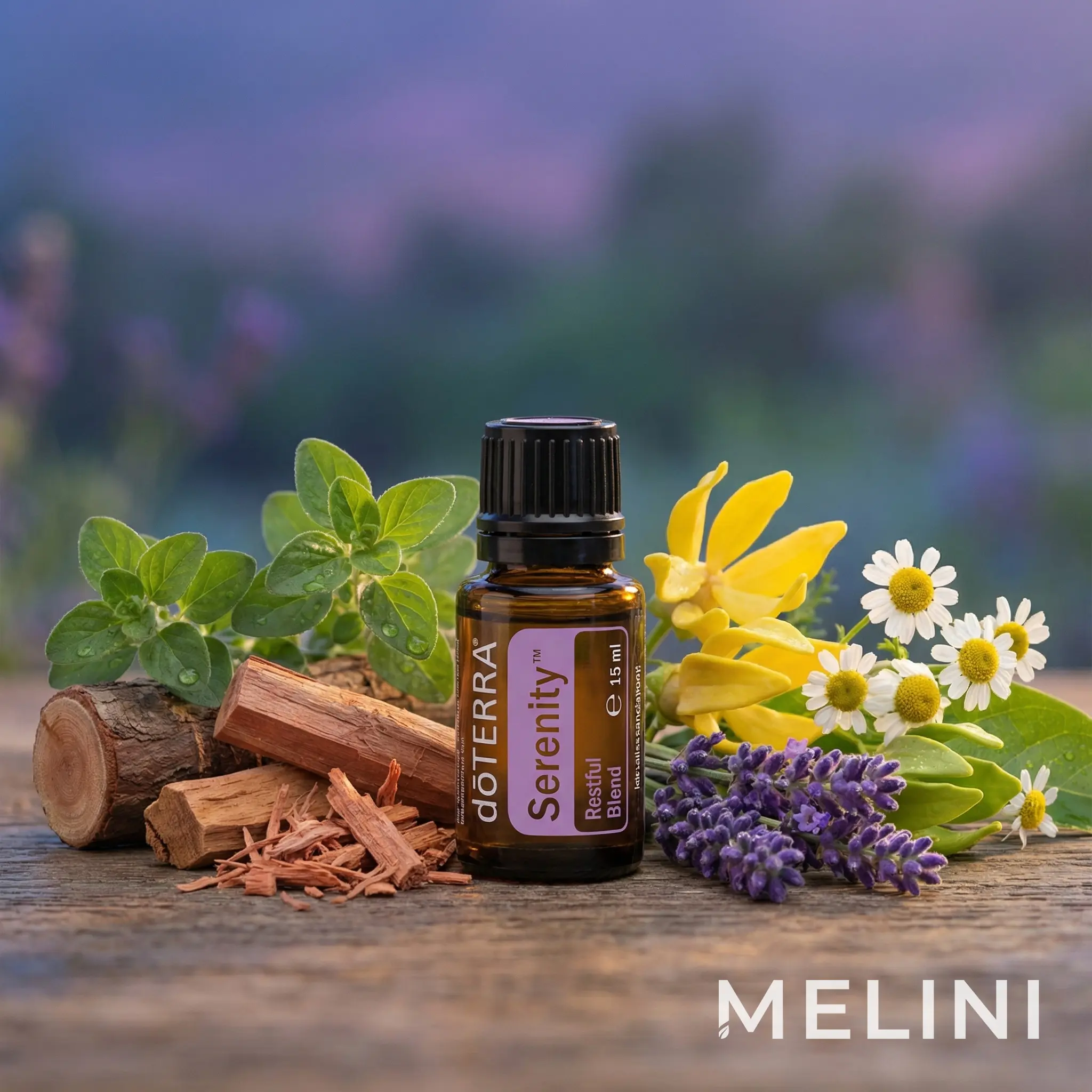
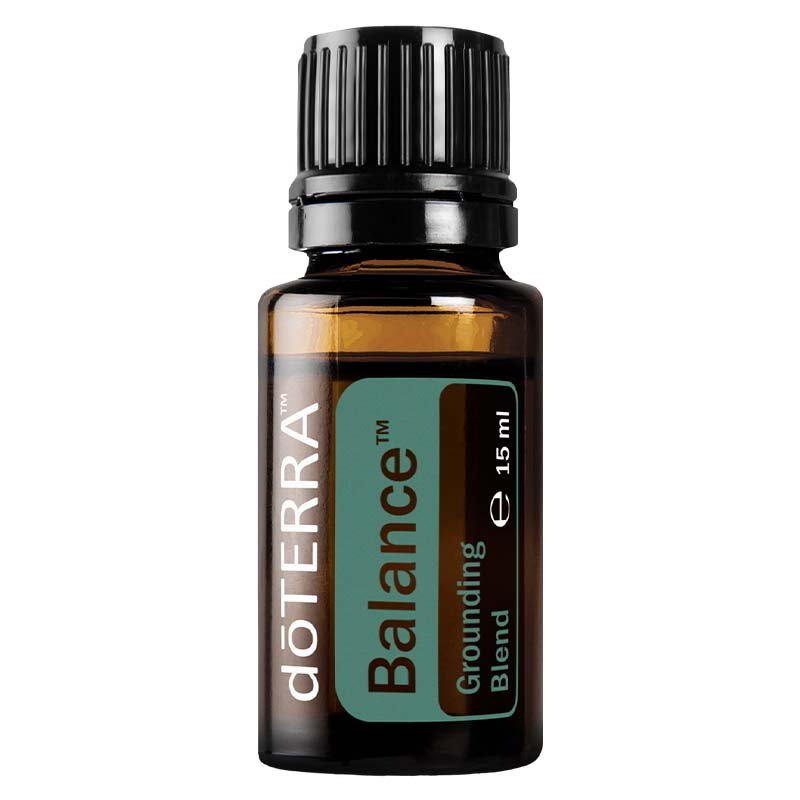
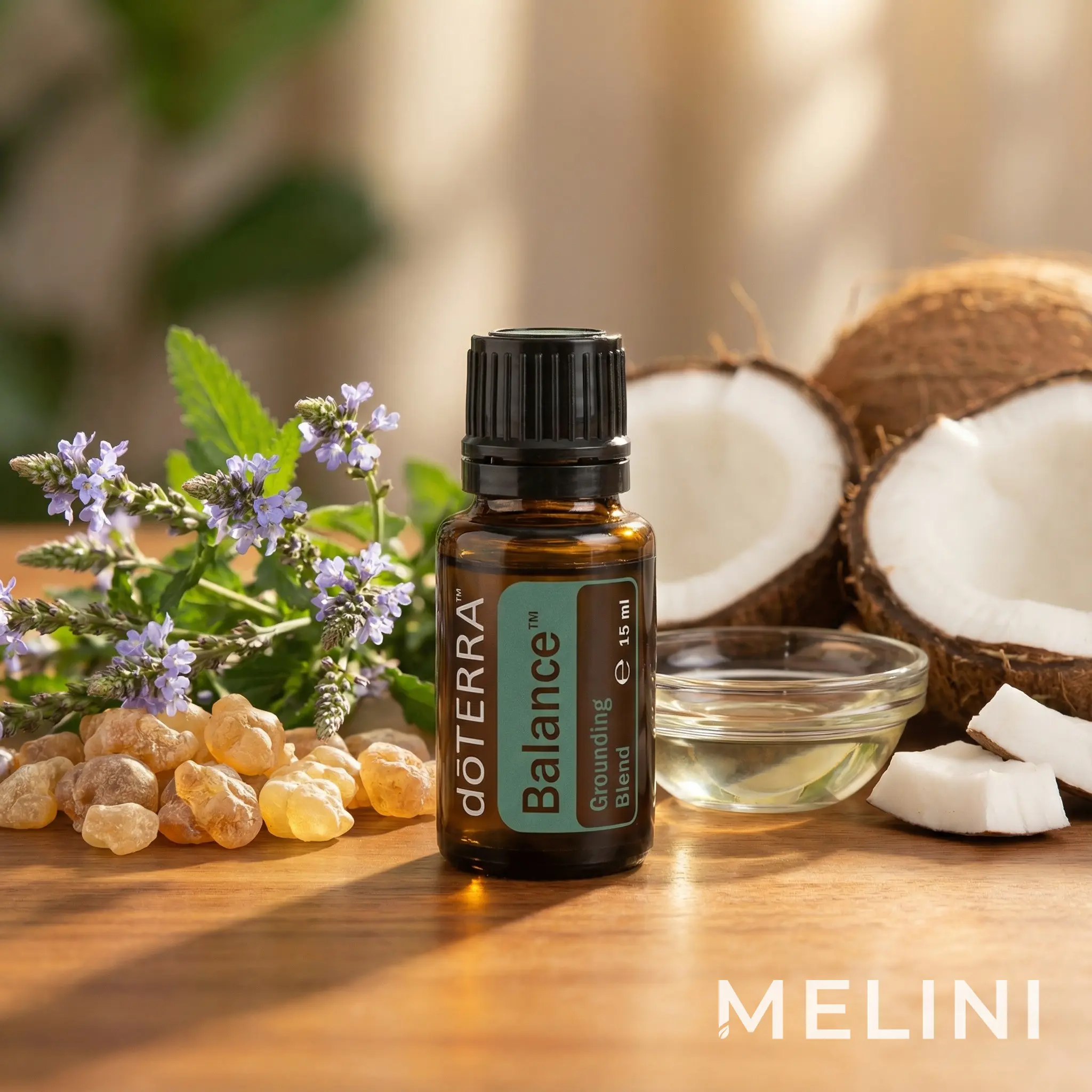
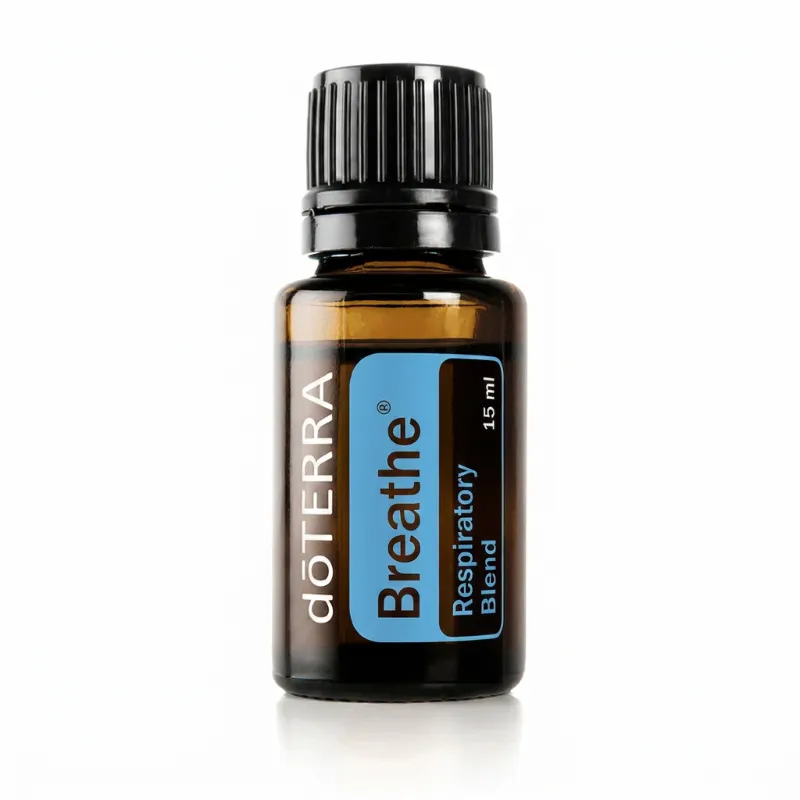
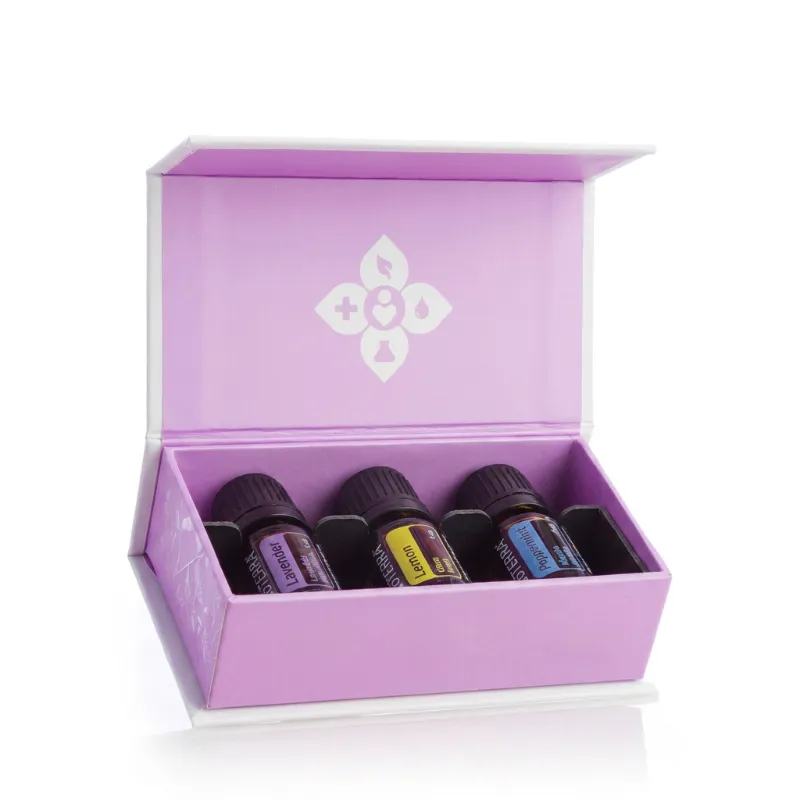
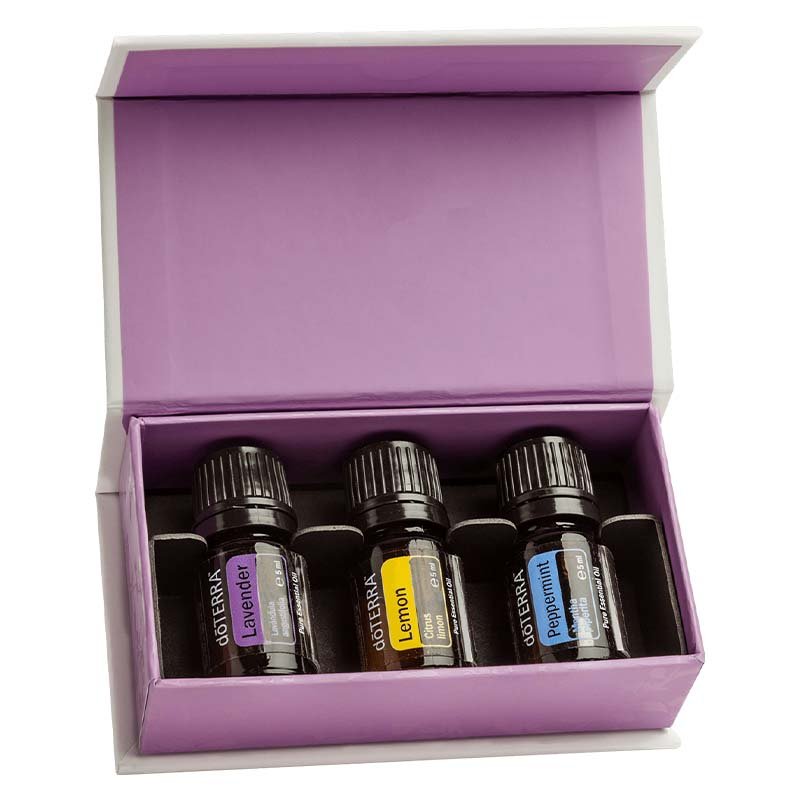
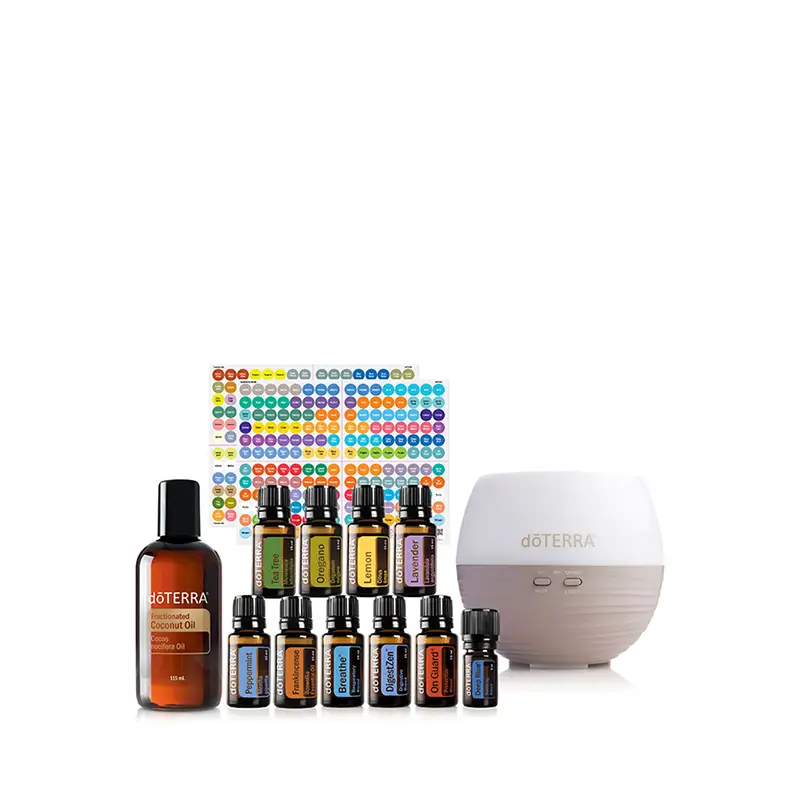
Ready-made dōTERRA aromatherapy blends
Choosing an aromatherapy diffuser
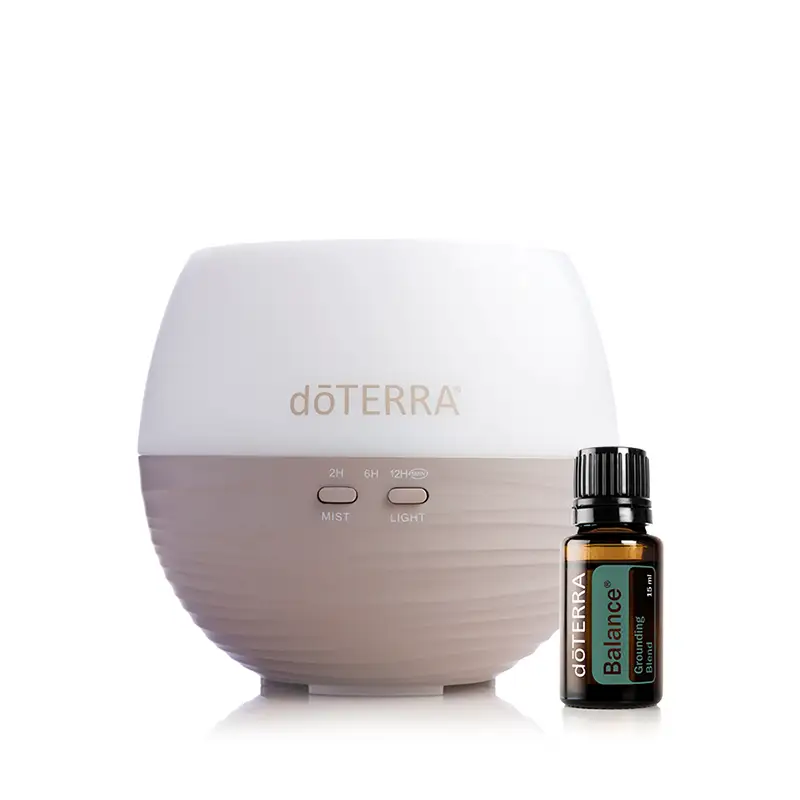
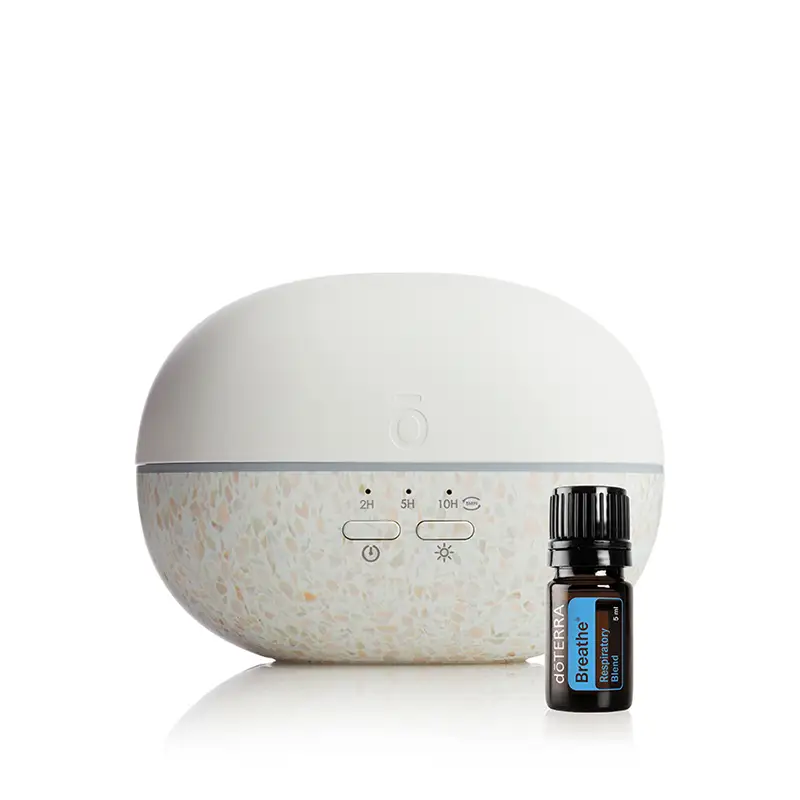
An ultrasonic aromatherapy diffuser uses water and vibration to release a fine, cool mist of oil — no heat, so the aroma stays true. Look for an automatic shut-off, several run times and a tank of 100 ml or more for an average Indian bedroom or living room.
Avoid candle burners and heated “aroma lamps” for good-quality oils: heat changes the aroma and burns off the lighter notes. Clean your diffuser weekly with a little vinegar or lemon oil — see our diffuser cleaning guide.
Aromatherapy dilution chart
For use on skin, always dilute in a carrier oil such as fractionated coconut, almond or jojoba oil. 5 ml is about one teaspoon.
| Who / where | Dilution | Drops |
|---|---|---|
| Adults, everyday use (face) | 1% | 1 drop per 5 ml carrier oil |
| Adults, everyday use (body) | 2% | 2 drops per 5 ml carrier oil |
| Adults, short-term, small area | 3–5% | 3–5 drops per 5 ml carrier oil |
| Children 2–6 years | 0.5–1% | 1 drop per 10 ml carrier oil |
| Sensitive skin, elderly | 0.5–1% | 1 drop per 5–10 ml carrier oil |
Aromatherapy safety
- Do a patch test on the inner arm before using a new oil on skin, and keep oils away from eyes, inner ears and broken skin.
- Citrus oils such as lemon, bergamot and wild orange can make skin sensitive to sunlight — avoid applying them before going out in the sun for 12 hours.
- Diffuse in a ventilated room for 30–60 minutes at a time, then take a break.
- With babies, young children and pets, use fewer drops, shorter sessions and make sure they can leave the room. Avoid peppermint and eucalyptus near children under 6.
- If you are pregnant, breastfeeding, taking medication or under medical care, speak to your doctor before using essential oils.
- Store oils in their dark glass bottles, tightly closed, out of reach of children.
Read more: diffusers, babies, pets and pregnancy and oils to avoid around pets.
Why purity matters in aromatherapy
Many low-priced “aroma oils” in India are synthetic fragrance or are cut with carrier oil. They may smell pleasant, but they are not essential oils. A genuine aromatherapy oil lists the plant’s Latin name, comes in dark glass, and is backed by a published test report for its batch.
Melini sells authentic dōTERRA essential oils in India. Every dōTERRA batch is tested to the CPTG® (Certified Pure Tested Grade) standard and the results can be checked on sourcetoyou.com. All prices are in rupees with flat ₹99 delivery across India — see the full dōTERRA price list India or our honest brand comparison.
Aromatherapy FAQ
What is aromatherapy?
Aromatherapy is the use of plant essential oils for their aroma — usually by diffusing them, inhaling them directly or applying them diluted to the skin — to create a particular mood or atmosphere, such as calm, fresh or energised. It is a complementary wellness practice, not a medical treatment.
How do I start aromatherapy at home in India?
Start with three versatile oils — lavender, peppermint and wild orange — and an ultrasonic diffuser. Add 3–5 drops of oil to the diffuser water, run it for 30–60 minutes in a ventilated room, and see which aromas you enjoy before expanding your collection.
Which essential oils are best for aromatherapy?
The most used aromatherapy oils are lavender, peppermint, wild orange, eucalyptus, frankincense and lemon. In India, sandalwood, tulsi, vetiver (khus) and lemongrass are also popular because they match traditional aromas.
Do I need a diffuser for aromatherapy?
No. You can inhale an oil directly from the bottle, put a drop on a cotton pad or tissue, add a few drops to a bowl of hot water, or use a diluted roll-on. A diffuser simply spreads the aroma through a whole room evenly.
Can I apply aromatherapy oils directly to the skin?
Most essential oils should be diluted in a carrier oil such as fractionated coconut oil before going on the skin — typically 1–2% for adults. Always do a patch test first and avoid the eyes, inner ears and broken skin.
Is aromatherapy safe for children, pets and during pregnancy?
Use extra care. Diffuse for short periods in a ventilated room, keep children under 2 and pets able to leave the room, and avoid strong oils such as peppermint and eucalyptus around young children. If you are pregnant, breastfeeding or under medical care, ask your doctor before using essential oils.
What is the difference between aromatherapy oil and fragrance oil?
A true aromatherapy essential oil is distilled or cold-pressed from a plant and contains only that plant’s aromatic compounds. Many low-priced “aroma oils” sold in India are synthetic fragrance or diluted with carrier oil. Look for the Latin botanical name, a batch test report and dark glass packaging.
How much do aromatherapy oils cost in India?
Pure, tested essential oils usually cost ₹1,000–₹3,000 for 15 ml for common oils such as lavender, peppermint or lemon, and more for rare oils like sandalwood. At Melini all dōTERRA oils are priced in INR with flat ₹99 delivery across India.