
Essential Oil Dilution Chart and Safe Topical Use for Beginners
I spent over 20 years dealing with eczema, allergies, and inflammation. Those years taught me that quick fixes rarely last. Real wellbeing comes from daily foundations. Dilution is one of those essential foundations. It is how you turn a potent extract into a safe, daily experience for your skin.
Why Dilute Essential Oils?
Essential oils are powerful, concentrated plant extracts. Using them undiluted can easily cause skin irritation or sensitisation. When I work with people, I always emphasize that a carrier oil is not just a base; it is your safety net. It allows your skin to receive the oil safely.
Essential Oil Dilution Chart
This chart is a practical starting point for your daily routines. I believe results come from action and consistency, so keep this somewhere you will actually see it.
- For Sensitive Skin: 0.5% dilution = 1 drop per 10ml of carrier oil
- For Children 2-6 Years: 1% dilution = 1 drop per 5ml of carrier oil
- For Children 6-13 Years: 2% dilution = 2 drops per 10ml of carrier oil
- For Adults: 2-5% dilution = 2-5 drops per 10ml of carrier oil
Start low. Consistency matters more than the concentration of your blend.
How to Dilute Essential Oils
Consistency is key. Here is the process I use whenever I am preparing my own topical blends.
- Choose Your Carrier Oil: Find one that works for you. I often suggest coconut oil, jojoba oil, or almond oil as simple, effective starting points.
- Calculate Your Ratio: Check the chart above. Never guess when it comes to your skin.
- Measure the Carrier Oil: Pour your carrier into a glass or ceramic bowl. Precision helps you avoid waste.
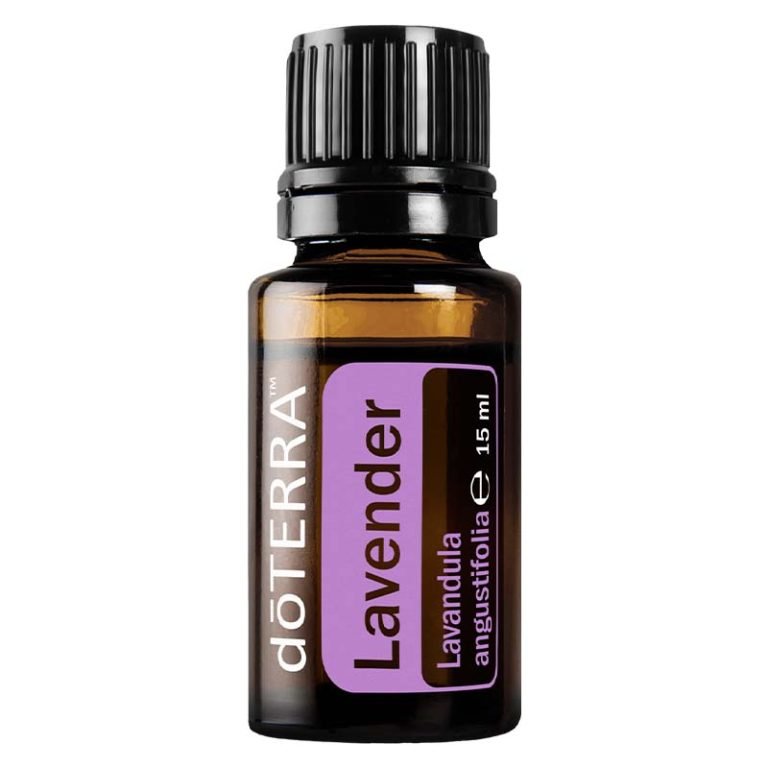
- Add Essential Oils: Carefully add your drops. For a classic, relaxing aroma, I often recommend doTERRA Lavender Essential Oil.
- Mix Thoroughly: Stir well. You want the essential oil fully incorporated into the carrier.
- Perform a Patch Test: This is non-negotiable. Apply a tiny amount to a small, hidden patch of skin. Wait to see how your skin responds before applying it anywhere else.
Best Practices for Safe Topical Use
I have learned through my own journey that you should respect the power of these oils. Here is how I approach safety:
- Start Small: You can always add more, but you cannot take it away once it is on your skin.
- Research Each Oil: Every oil is different. Some can cause photosensitivity. If you are going to be in the sun, know your oils.
- Avoid Sensitive Areas: Keep oils away from your eyes, ears, and any broken or inflamed skin.
- Consult a Professional: If you are unsure, talk to an expert. I always encourage people to seek professional guidance for their specific needs.
Recommended Essential Oil Blends
I find these simple combinations work well as part of a daily habit.
- Calming Blend: 3 drops of doTERRA Lavender Essential Oil in 10ml of carrier oil. I love this for a massage or a quiet moment of self-care.
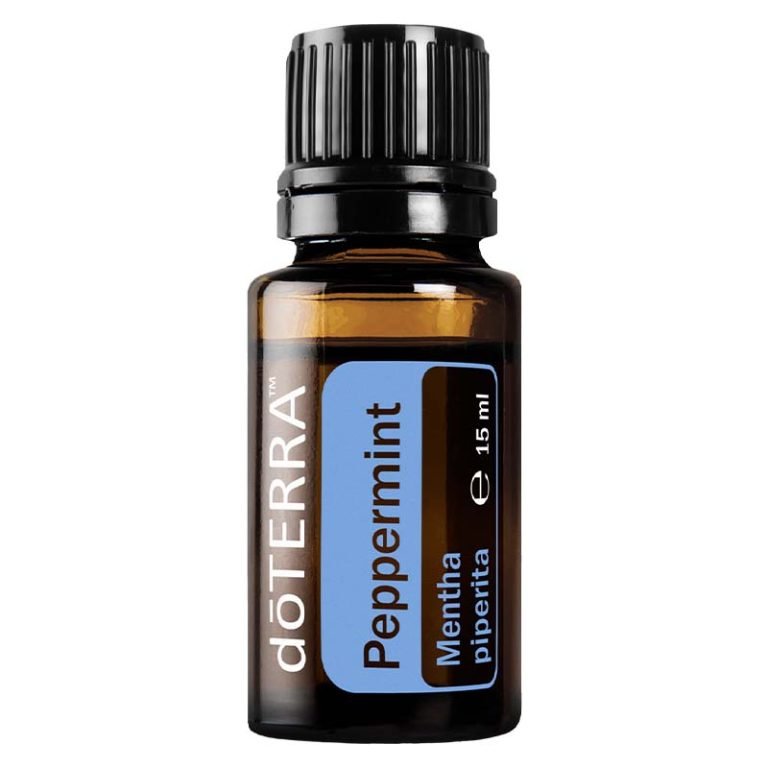
- Refreshing Blend: 3 drops of doTERRA Peppermint Essential Oil in 10ml of carrier oil. It is a great way to refresh your feet after a long day.
Frequently asked questions
What is the best carrier oil for essential oils?
Coconut, jojoba, sweet almond, and grapeseed oils are all excellent. I suggest you pick the one that feels best on your skin and stick with it.
Can I use essential oils directly on my skin?
I never recommend applying them undiluted. They are too concentrated. Dilution is the responsible way to enjoy them.
How can I store diluted essential oils?
Keep your blends in a cool, dark place. Use glass containers. I want my oils to stay fresh and effective for every use.
Conclusion
Learning to dilute correctly is how you build a sustainable routine. Use this chart, follow the steps, and prioritize your safety. It is a small investment of time that pays off in your daily wellbeing.
Selected research
I share these studies so you can understand the "why" behind the safety practices.
- Sukakul T, Bruze M, Mowitz M, et al. (2022). Contact allergy to oxidized linalool and oxidized limonene: patch testing in consecutive patients with dermatitis. Contact Dermatitis. PubMed 34561893
Research shows why dilution and proper storage away from light are critical. - Dittmar D, Schuttelaar MLA. (2019). Contact sensitization to hydroperoxides of limonene and linalool: results of consecutive patch testing and clinical relevance. Contact Dermatitis. PubMed 30378131
It is often the oxidation of older oils that causes skin reactions. Keep them fresh. - de Groot A, Schmidt E. (2016). Essential oils, part V: peppermint oil, lavender oil, and lemongrass oil. Dermatitis. PubMed 27775966
A dermatology review highlighting why being informed about the oils you use is so important.
These studies offer a look at what researchers observed in clinical settings. They are not treatment recommendations. Please consult a qualified professional regarding your own health.
Recommended Products
Related articles
Do Essential Oils Expire? Shelf Life & Storage Guide
Are Essential Oil Diffusers Safe for Babies and Pregnancy?
Are Diffusers Safe? Everything You Need to Know
dōTERRA Kits in India: Beginner's Guide to Choosing Your Essential Oils
Was this article helpful?

Written by
Pete — Nourished by Pete
After struggling for more than 20 years with eczema, allergies and health challenges no doctor could fully explain, Pete found his answers in the foundations of health. Today he helps people create simple, sustainable changes that improve energy, sleep, digestion, stress resilience and overall wellbeing.