
Understanding Diffuser Safety
I spent over 20 years dealing with eczema, allergies, and inflammation. Those years taught me that lasting wellbeing doesn't come from quick fixes, but from the foundations we build daily. My work as a Foundational Well-being Coach focuses on nutrition, movement, sleep, and managing our environment. Many people ask me, are diffusers safe? In this article, I want to share how I approach diffuser safety and the best practices I’ve picked up while travelling between India, Vietnam, and the USA.
Are Diffusers Safe?
Generally, when used with intention, diffusers are a simple way to create a calming atmosphere. I believe results come from consistency, not just intention. Here are the factors I prioritize for safety:
- Quality of Oils: I always choose high-quality, pure essential oils, like those from dōTERRA. I don't use low-grade oils as they can contain synthetic additives.
- Type of Diffuser: I find ultrasonic diffusers are reliable for maintaining the integrity of the oils.
- Ventilation: I always ensure the space is well-ventilated. This keeps the aroma light rather than overwhelming.
- Duration and Frequency: I suggest limiting diffusion time, especially in smaller rooms.
Is it Safe to Use a Diffuser Every Day?
Daily habits define our wellbeing. Moderation is how we keep those habits sustainable. Here is how I manage daily diffusion:
- Limit Diffusion Time: I stick to 30 to 60 minutes at a time. It prevents the air from becoming too heavy.
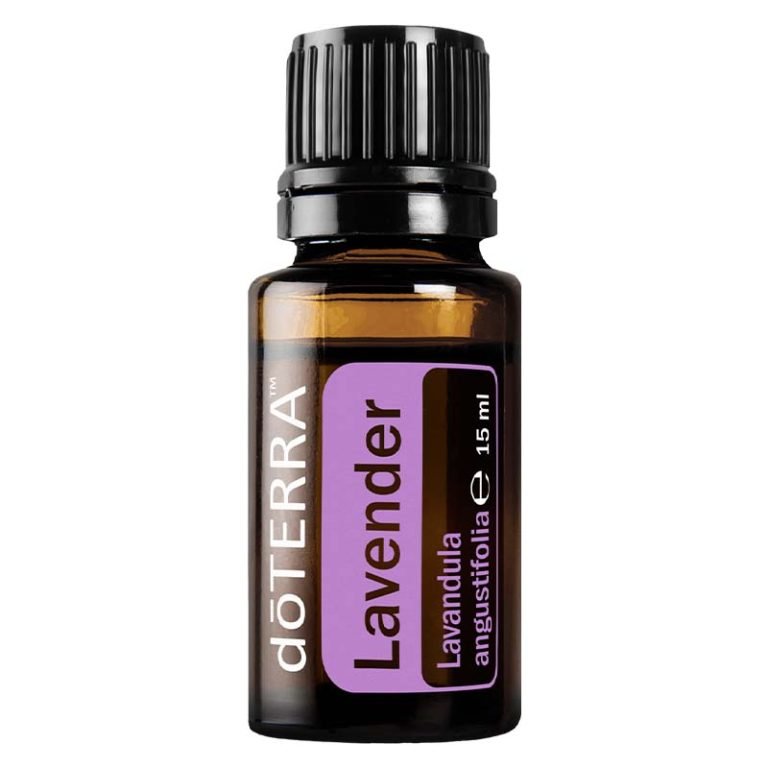
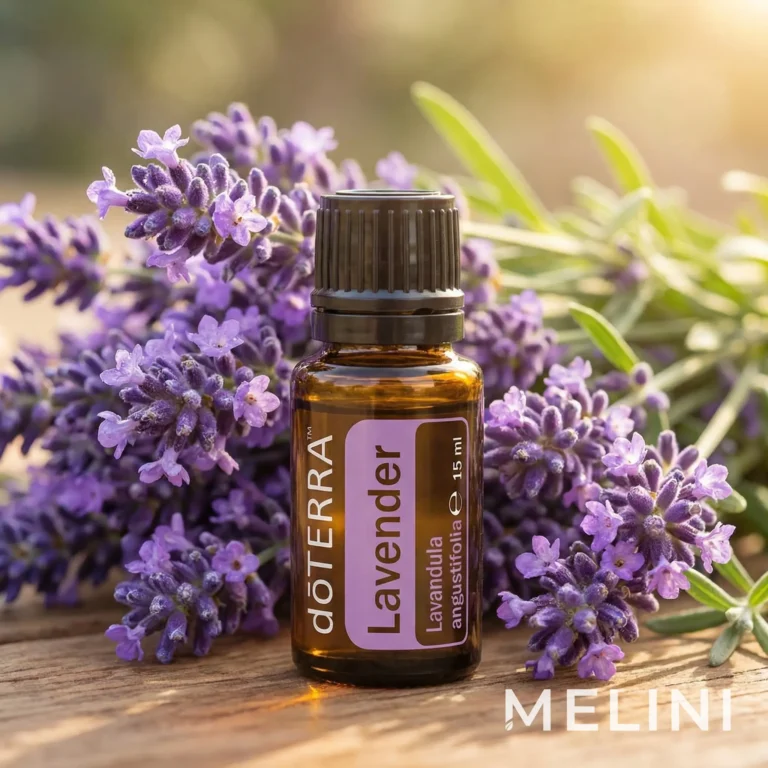
- Choose the Right Oils: Some oils, like dōTERRA Lavender Essential Oil, are a staple for many people I work with because of their pleasant aroma. I avoid overly sharp scents for daily use.
- Monitor Your Reactions: Pay attention to how you feel. If you notice discomfort, simply reduce the frequency. If you feel like your sleep is a struggle, see it as a signal, not the problem itself.
- Ensure Proper Cleaning: I make it a habit to clean my diffuser regularly to prevent residue buildup.
Tips for Safe Diffusing
Building simple, practical habits enhances your experience:
- Consider Sensitivities: Everyone reacts differently. If you are sharing a space with others, check in with them regarding their comfort with different scents.
- Children’s Needs: Children are often more sensitive to environmental changes. Always be mindful of dilution when diffusing around them.
- Understand Oil Properties: Take time to learn about the oils you use. Some are great for a fresh, energizing atmosphere, while others are best for quiet reflection.
Recommended Essential Oil Blends
I find that blending oils creates a more balanced experience. Here is a simple way to start:
- 3 drops of dōTERRA Lavender Essential Oil
- 2 drops of Bergamot Essential Oil
- 1 drop of Frankincense Essential Oil
This is a combination I enjoy for unwinding at the end of the day.
Frequently Asked Questions
1. Can I use any essential oil in my diffuser?
Not all oils are meant for diffusion. Always check the label to ensure they are intended for this use.
2. How often should I clean my diffuser?
I suggest cleaning your diffuser after each use. It keeps the device running well and avoids old residue.
3. What to do if I feel unwell while using a diffuser?
If you feel any discomfort, turn off the device and open a window. Your body is giving you a signal to change your environment.
Conclusion
A diffuser can be a wonderful part of your daily routine. By using high-quality oils and practicing common-sense habits, you can enjoy these aromas responsibly. Consistency is what makes the difference.
Selected research
Aromatherapy and sleep is an area researchers have studied extensively. They look at how scents relate to reported comfort and rest.
- Her J, Cho MK. (2021). Effect of aromatherapy on sleep quality of adults and elderly people: a systematic literature review and meta-analysis. Complementary Therapies in Medicine. PubMed 34166869
Combined 30 studies and found a significant association between aromatherapy and better reported sleep quality. - Shen H, Zhang LJ, Zhu WY. (2026). The sleep-enhancing effect of lavender essential oil in adults: a systematic review and meta-analysis. Holistic Nursing Practice. PubMed 40600743
Across 11 randomised trials, lavender use was linked with improved self-reported sleep quality. - Cheong MJ, Kim S, Kim JS, et al. (2021). A systematic literature review and meta-analysis of the clinical effects of aroma inhalation therapy on sleep problems. Medicine (Baltimore). PubMed 33655928
Focused on inhaled aromatherapy, which is how most people use a diffuser. - Lin PC, Lee PH, Tseng SJ, et al. (2019). Effects of aromatherapy on sleep quality: a systematic review and meta-analysis. Complementary Therapies in Medicine. PubMed 31331554
Reviewed studies of aromatherapy used to support sleep quality.
These studies are shared so you can read the research yourself. They describe what researchers observed under specific conditions—they are not a recommendation. Always consult a qualified professional about your own situation.
Recommended Products
Related articles
Essential Oil Dilution Guide: Safe Use for All Ages & Skin Types
Essential Oil Dilution Chart & Safe Topical Use
Do Essential Oils Expire? Shelf Life & Storage Guide
Are Essential Oil Diffusers Safe for Babies and Pregnancy?
Was this article helpful?

Written by
Pete — Nourished by Pete
After struggling for more than 20 years with eczema, allergies and health challenges no doctor could fully explain, Pete found his answers in the foundations of health. Today he helps people create simple, sustainable changes that improve energy, sleep, digestion, stress resilience and overall wellbeing.