
How I Approach Layering and Blending Essential Oils
Creating your own scents is a process of trial and error. Over the years, I have learned that lasting wellbeing is built on daily foundations, and my approach to essential oils is no different. It is about consistency and personal ritual. By understanding how to blend essential oils, you can create fragrances that reflect your personal preferences. Here is how I think about the process of scent layering.
The Basics of Essential Oil Blending
Before you start mixing, you have to understand fragrance notes. I categorise them into three groups:
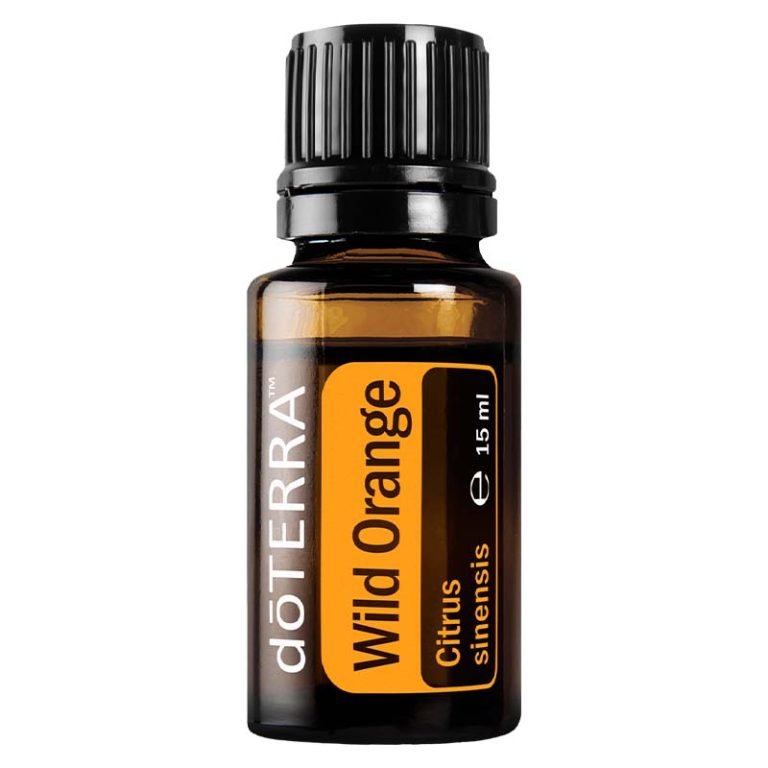
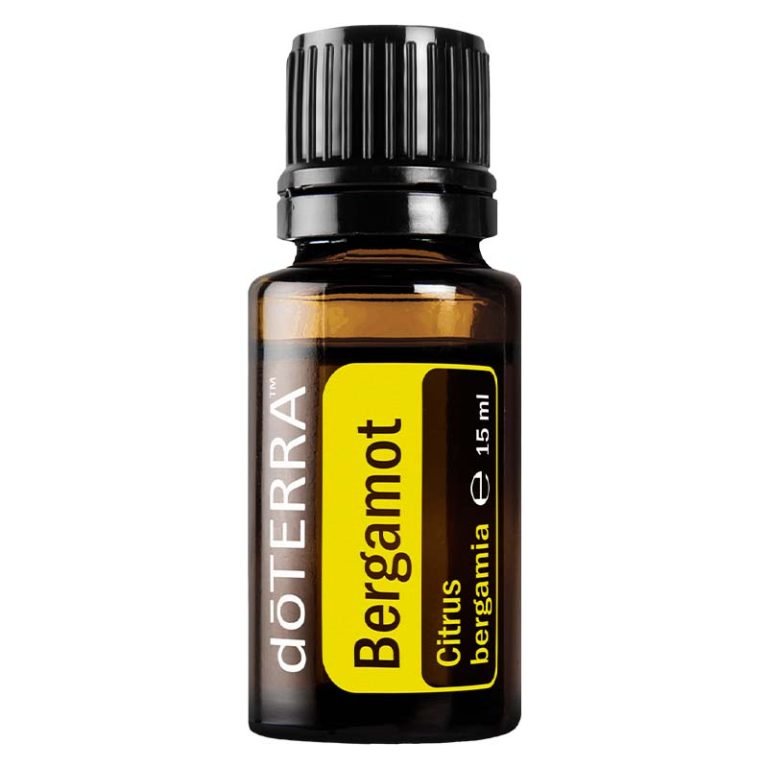
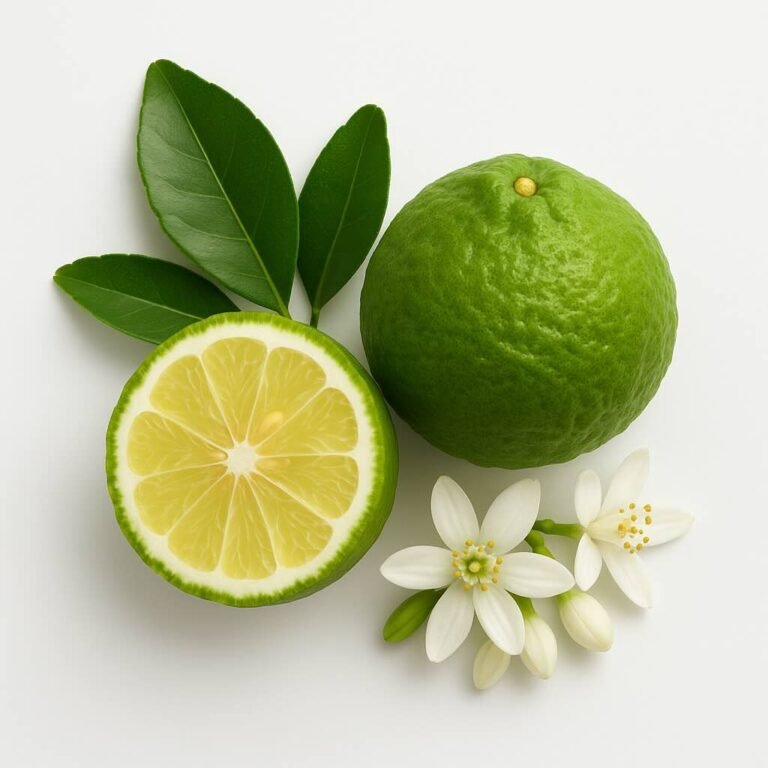
- Top Notes: These are the first scents you perceive and they evaporate quickly. I often reach for citrus oils like doTERRA Wild Orange Essential Oil or bergamot for a bright start.
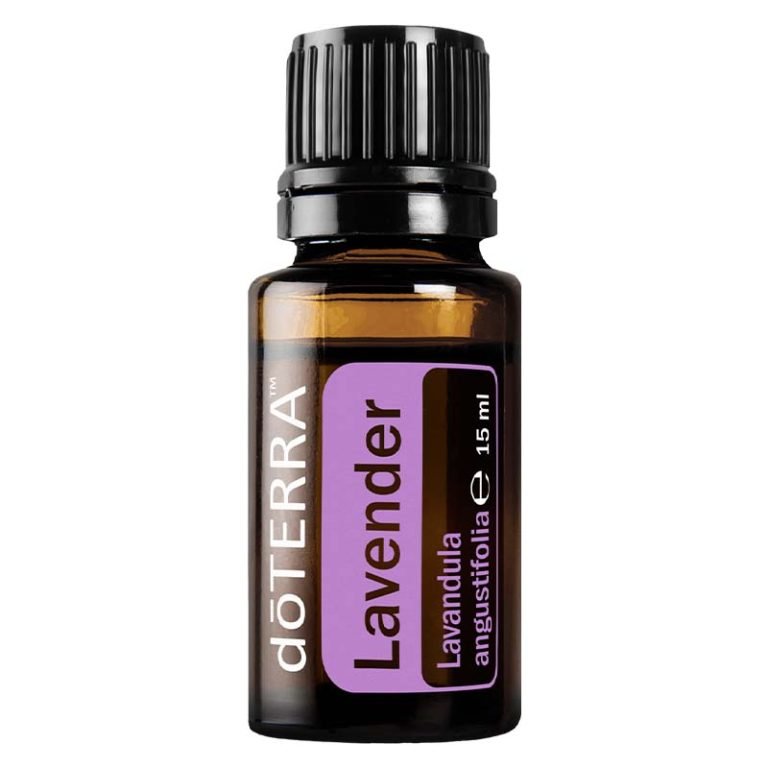
- Middle Notes: Often called heart notes, these emerge after the top notes and form the body of the scent. Floral oils like doTERRA Lavender Essential Oil are staples for me.
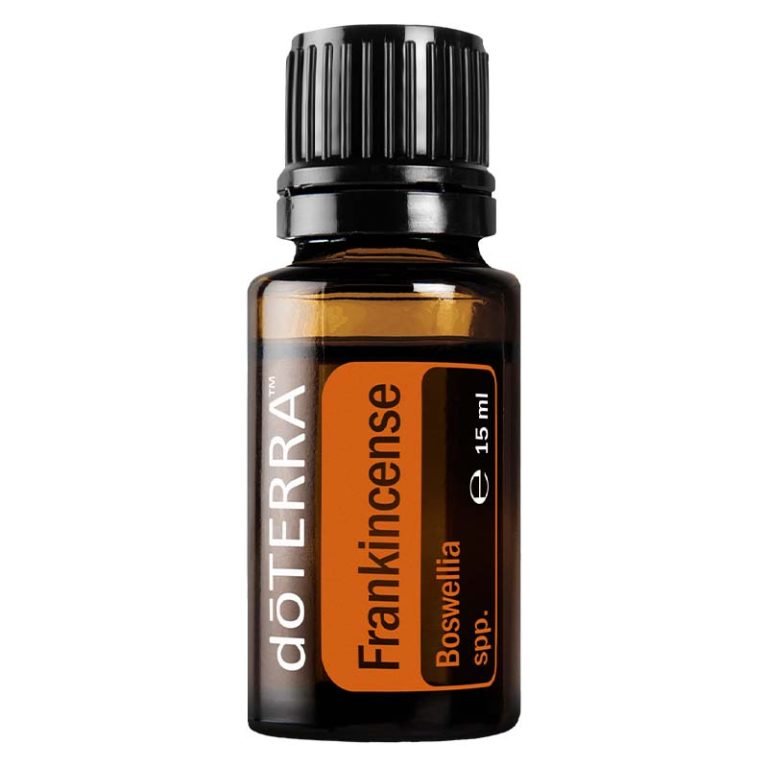
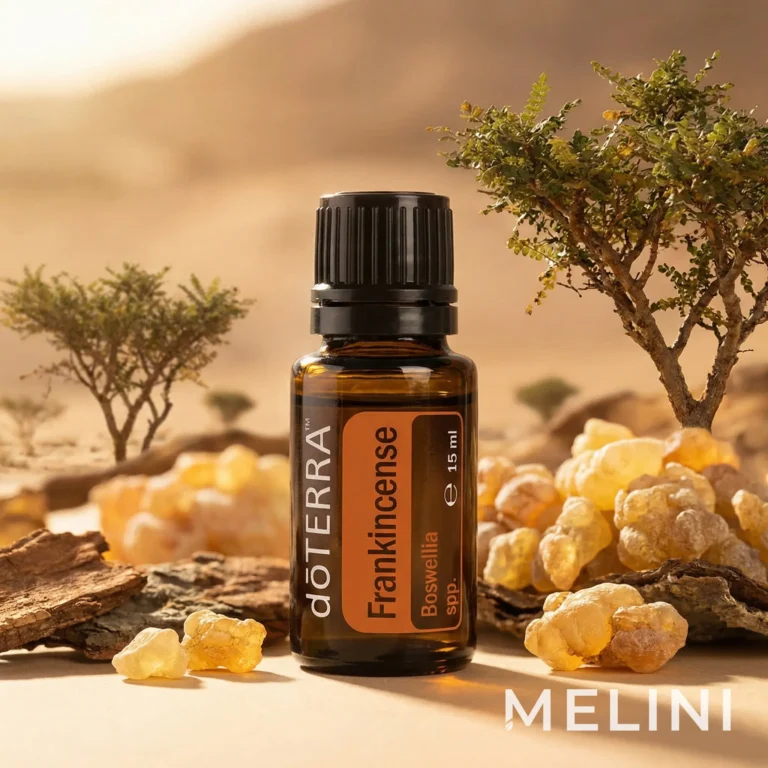
- Base Notes: These provide depth and linger the longest. I find oils like the frankincense in doTERRA Frankincense Essential Oil ground the entire experience.
The Art of Scent Layering
Results come from action, not just intention. If you want to create a blend, keep it simple and start doing it.
My Practical Guide to Blending
- Select Your Oils: Choose 3-5 oils you enjoy. Aim for a mix of base, middle, and top notes.
- Understand Ratios: A simple starting point is 30% top, 50% middle, and 20% base. Start with just a drop or two of each.
- Mix Your Blends: Use a dark glass bottle to protect your oils. Add your base notes first, then middle, then top.
- Test and Adjust: Let the blend sit for a day or two. If it doesn't feel right, adjust the ratios. Consistency is key.
- Store Properly: Keep your bottles in a cool, dark place and label them clearly with the date.
Blending Suggestions
Here are a few combinations I suggest to people I work with to get started:
- Citrus Fresh: 3 drops of Wild Orange, 2 drops of bergamot, and 1 drop of lavender.
- Relaxing Lavender: 3 drops of Lavender, 2 drops of frankincense, and 1 drop of wild orange.
- Grounding Blend: 2 drops of frankincense, 3 drops of bergamot, and 2 drops of lavender.
Frequently Asked Questions
Can I use carrier oils in my blends?
Yes. Carrier oils are great for dilution, which is important for any topical use. They also help the scent stay on your skin longer.
Do I need special tools to blend essential oils?
You don't need much. A few dark glass bottles and droppers are all you really need to get going.
How do I know when my blend is ready?
Give it at least 48 hours. Scents evolve as they sit. Patience is part of the process.
Conclusion
Blending is a personal journey. By understanding the notes and staying consistent with your practice, you can create fragrances that are uniquely yours. For those who want to integrate oils into their morning, I personally add 2 drops of Lemon oil to a glass of water before breakfast—it is my own non-negotiable. Always remember to dilute your oils correctly before applying to the skin.
Selected research
A small body of research has looked at how certain aromas relate to alertness and memory performance in healthy adults.
- Moss M, Cook J, Wesnes K, Duckett P. (2003). Aromas of rosemary and lavender essential oils differentially affect cognition and mood in healthy adults. International Journal of Neuroscience. PubMed 12690999
Found that the two aromas affected memory and alertness measures differently in healthy adults — rosemary with alertness, lavender with calm. - Moss L, Rouse M, Wesnes KA, Moss M. (2010). Differential effects of the aromas of Salvia species on memory and mood. Human Psychopharmacology. PubMed 20589925
Tested how different sage aromas related to memory performance and self-reported mood.
These studies are shared so you can read the original research yourself. They describe what researchers observed under specific conditions — they are not a treatment recommendation, and they do not describe any specific product. Always consult a qualified healthcare professional about your own situation.
Recommended Products
Related articles
doTERRA On Guard vs Air (Breathe): Choosing Your Protective Blend
Essential Oil vs Fragrance Oil: Key Differences Explained
Understanding doTERRA: CPTG Quality and Its Importance
dōTERRA DDR Prime: A Comprehensive Guide for Daily Wellness in India
Was this article helpful?

Written by
Pete — Nourished by Pete
After struggling for more than 20 years with eczema, allergies and health challenges no doctor could fully explain, Pete found his answers in the foundations of health. Today he helps people create simple, sustainable changes that improve energy, sleep, digestion, stress resilience and overall wellbeing.