
How are essential oils made?
 Petenourishedbypete.comFacebookInstagramAug 16, 2026
I spent 20 years managing my own wellbeing before becoming a coach. Here is a practical look at how essential oils are extracted, from steam distillation to cold pressing, and why understanding these methods matters for your daily routine.
How are essential oils made?
I have spent over 20 years living with eczema, allergies, and inflammation. Those years taught me that quick fixes rarely last. I have learned that true wellbeing comes from building daily foundations. Essential oils are a part of that foundation for me. They are nature’s concentrated essences. I am often asked how these precious oils move from a plant into a bottle. Here is how it happens.
1. Steam Distillation
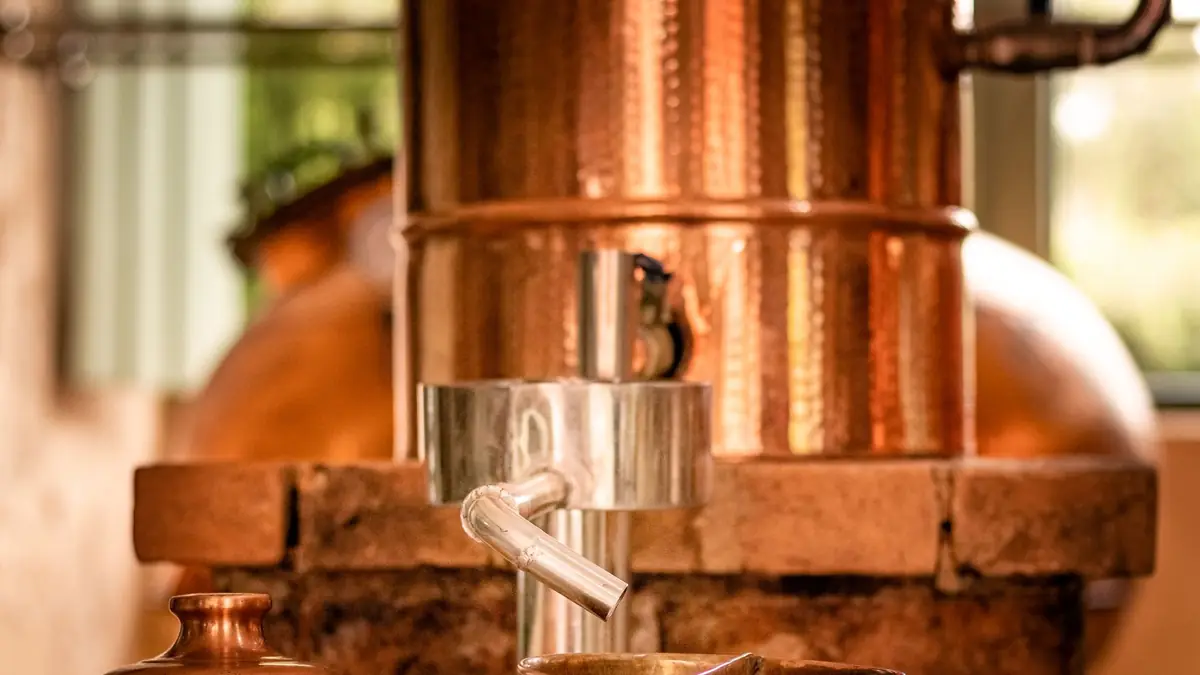
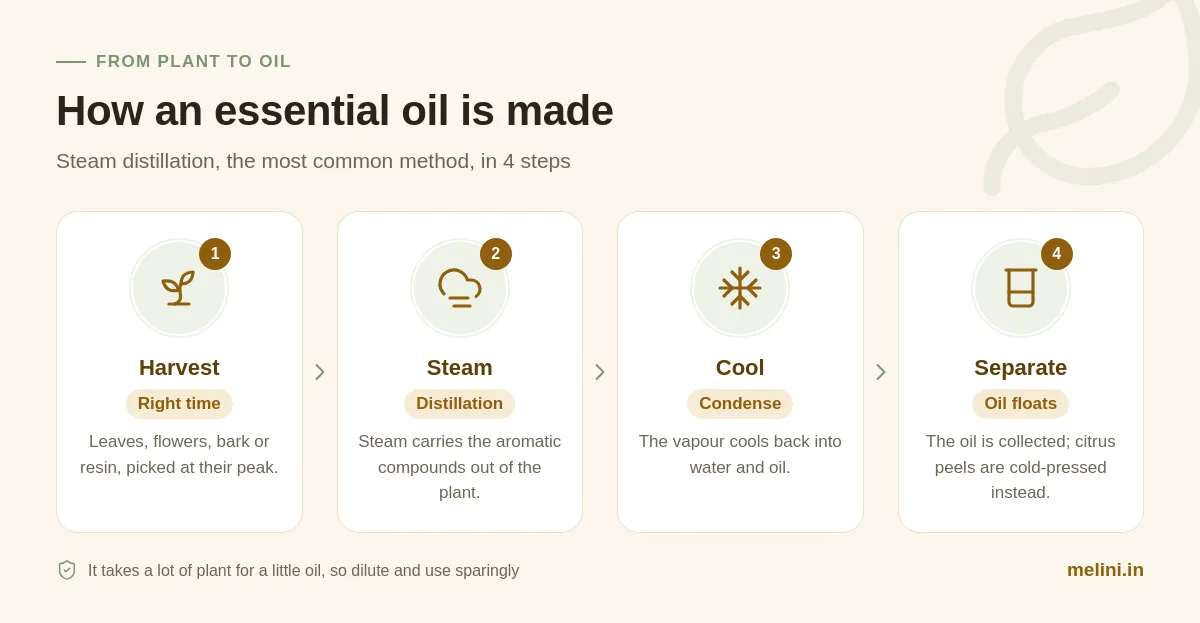
This is one of the most common ways to produce oils. Plant material sits in a vessel with water while heat is applied underneath. As the water boils, steam rises through the plant material, carrying the volatile molecules with it. The steam then travels through a cooling system to condense. It separates into two parts: the essential oil and the floral water, or hydrolat.
2. Hydrodistillation
This is very similar to steam distillation. The main difference is that the plant material floats directly in the water. As the water heats up, the plant components dissolve and rise with the steam. The process of condensation then separates the oil from the water.
3. Absolute Extraction
Some plants, like rose or jasmine, are too delicate for the heat of distillation. In these cases, a solvent is used to draw out the essence. The solvent is then evaporated, leaving behind an absolute. These tend to be thicker and very intensely fragrant. It is an interesting process to observe.
4. Cold Pressing
This is used almost exclusively for citrus fruits, like lemon. I use lemon essential oil every single morning. It is a non-negotiable part of my routine to add two drops to a glass of water before breakfast. Because the oil is pressed from the peel without heat, the fresh, bright aroma remains perfectly intact. It is a simple way to bring a bit of freshness into your morning.
5. Enfleurage
This is an old, manual method. It is rarely used today because it is very labor-intensive. Fresh flowers are placed onto a fatty substance, which slowly absorbs their fragrance. This is repeated until the fat is saturated with the scent. Finally, alcohol is used to extract the oil from the fat. It is a reminder of the patience required to capture a plant's true aroma.
Summary
Producing these oils is an art form. The extraction method matters because it dictates the oil's quality, composition, and final aroma. I always tell the people I work with that results come from consistency, not just intention. Understanding how your tools are made helps you make better choices for your own self-care. Always ensure your oils are handled correctly and follow label directions for safe use.
Disclaimer: Essential oils should be used according to label instructions. Always dilute appropriately for topical use. This content is for educational purposes and is not intended to treat or diagnose any medical condition.