How to Protect Your Skin in the Cold Winter Months?
 Petenourishedbypete.comFacebookInstagramAug 16, 2026

Pete Wilkes shares his practical, foundational approach to winter skin care, focusing on consistency, daily habits, and natural support to maintain healthy, comfortable skin throughout the cold months.
How I Manage My Skin During the Cold Winter Months
As winter sets in, I notice the shift immediately. The drop in temperature and the bite of the cold wind present a real challenge. For over 20 years, I lived with eczema, allergies, and inflammation. I spent a long time chasing quick fixes before realizing that lasting wellbeing—including how we care for our skin—comes down to daily foundations.
Why Skin Dryness Happens in Winter
When the air loses its humidity, our skin struggles to hold onto moisture. Being indoors with artificial heating often makes things worse. The cold air draws moisture away, and when the skin's barrier is compromised, it simply cannot keep up. I view this as a signal that the body needs more support.
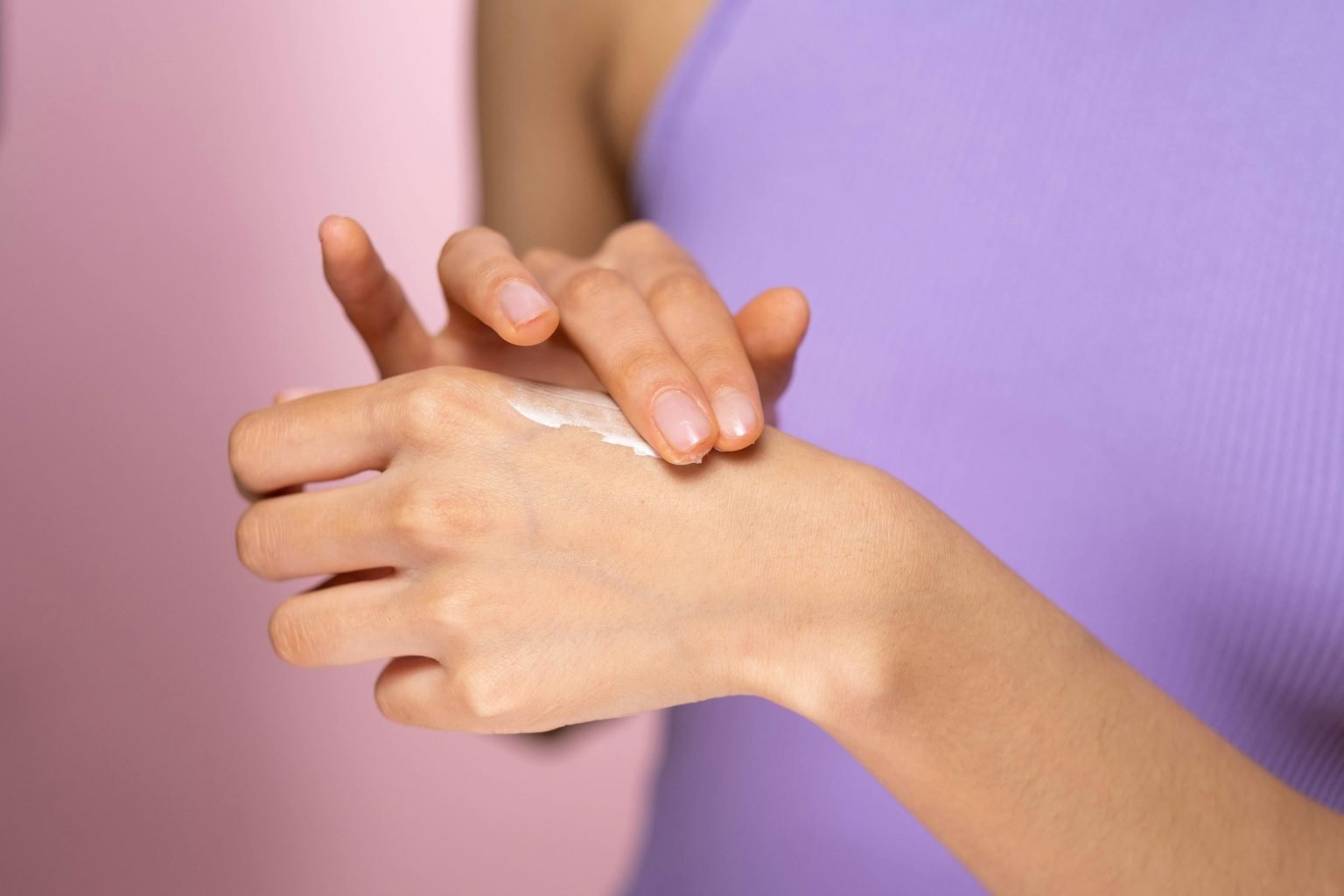
Common Challenges: Roughness and Dryness
1. Managing Dry Skin
When my skin feels tight or rough, I know it is time to reassess my routine. I don't look for overnight miracles. I look for consistency. Dry skin is often just the surface reflecting what is happening internally.
2. Preventing Cracked Skin
Hands, lips, and heels take the biggest hit in the winter. If left unattended, these areas become uncomfortable. I emphasize informed self-care to keep these sensitive areas protected throughout the season.
My Approach to Winter Skin Care
1. Prioritize Deep Hydration
I suggest using rich, nourishing creams that act as a barrier. Look for ingredients like shea butter or plant-based oils that provide a sense of comfort. You can find options for deep hydration that feel great and support your skin's natural state.
2. Gentle Cleansing
Avoid harsh soaps that strip away your natural oils. I always recommend choosing cleansers that leave the skin feeling calm rather than tight.
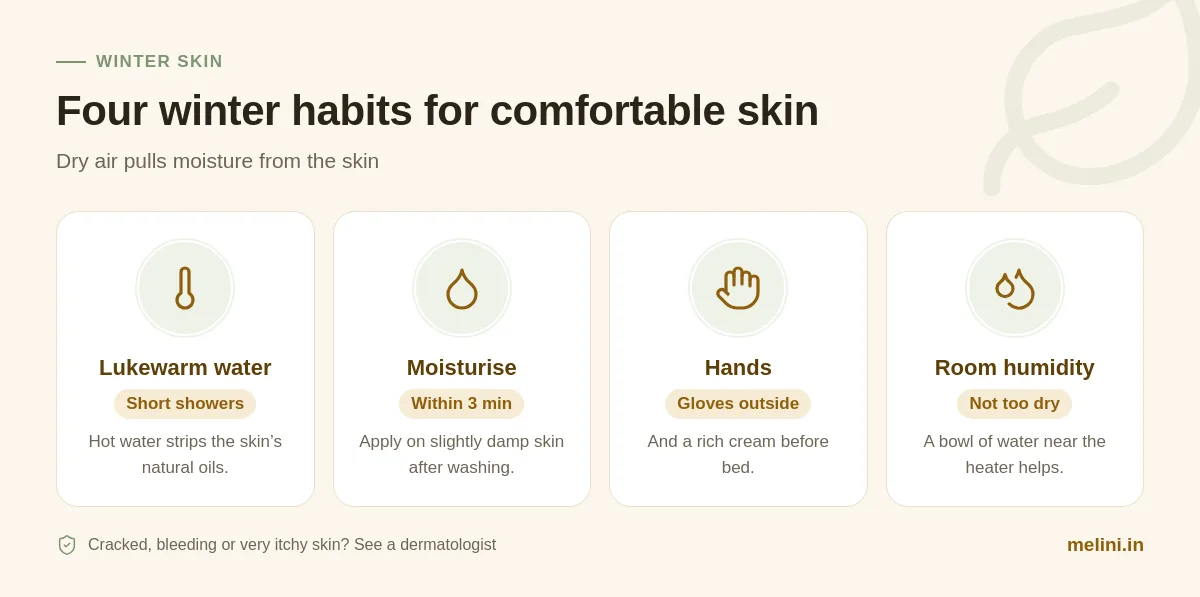
3. Shielding Against the Elements
Cover up when heading outside. A scarf and gloves are standard for me when I am running around Hanoi's West Lake. Also, keep a nourishing lip balm in your pocket to keep lips comfortable.
4. Manage Your Environment
Dry indoor air is a challenge. Using a humidifier is a simple way to help your skin stay comfortable while you are inside.
5. Consistent Hydration
Internal hydration is the foundation. Every morning before breakfast, I add 2 drops of Lemon essential oil to a glass of water. It is a daily non-negotiable for me. Results come from action and consistency, not just intention.
Simple Habits for Maintenance
Beyond lotions, consider physical exfoliation. I personally do a coffee scrub at least once a week to keep my skin feeling fresh. Consistency in your routine is the most effective tool you have.
Remember, results come from the work you put in every day. Keep your routine simple, sustainable, and consistent.
About Me
I am Pete Wilkes, a Foundational Well-being Coach and a global educator with dōTERRA. I divide my time between India, Vietnam, and the USA. Having lived with eczema and allergies for two decades, I understand the importance of focusing on nutrition, movement, sleep, and managing toxic load. My work across the globe has shown me that whether you are in a cold climate or a tropical one, the basics of self-care remain the same. I am here to help you build those foundations for a better quality of life. Disclaimer: These statements have not been evaluated by any medical authority. This information is for educational and cosmetic purposes only and is not intended to diagnose, treat, or cure any disease. Please consult with a healthcare professional for personal medical concerns.