
I have spent over 20 years managing my own eczema, allergies, and inflammation. Those years taught me that lasting well-being isn't about quick fixes; it is about building daily foundations. I now work as a Foundational Well-being Coach, focusing on simple, consistent actions like nutrition, movement, sleep, and informed self-care. I have supported thousands across the globe, and my own routine is simple: 2 drops of Lemon in water each morning, and a weekly coffee scrub. When it comes to oils like patchouli, I suggest focusing on that same consistency. Let’s look at how this botanical fits into a practical lifestyle.
What is Patchouli Essential Oil?
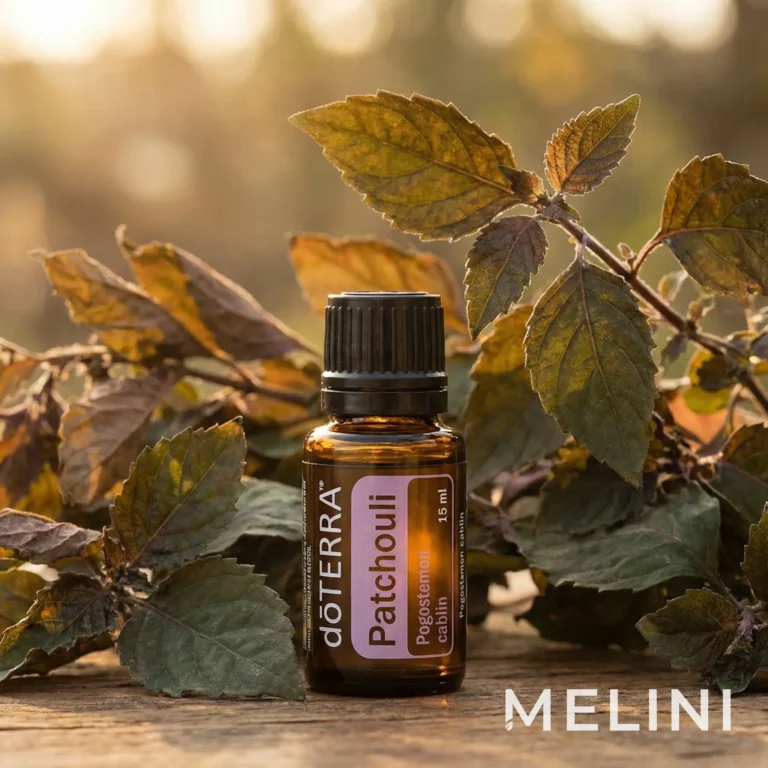
Patchouli (Pogostemon cablin) comes from the leaves of a bushy herb in the mint family. It is native to tropical regions of Asia. I spend a lot of my time living and working in India and Vietnam, where I have grown to appreciate the local plants. The oil is steam distilled from dried, fermented leaves. It is thick, dark amber, and has a rich, earthy aroma. The scent matures over time. Its profile is high in patchoulol, which defines its distinct character.
The Aroma of Patchouli and Grounding
Patchouli has a one-of-a-kind scent. It is earthy, musky, and sweet. I find it provides a sense of grounding. Results in well-being come from consistent action, not just a one-time use. I often suggest using it to anchor your daily routines.
- Grounding: These earthy notes help center the mind. It is a solid choice for meditation or just finding calm in a busy day.
- Calming: I suggest diffusing it when you need to create a serene environment.
- Support: Many find the scent helps soothe irritability when things get hectic.
To try this, diffuse it in your space or apply a diluted drop to your pulse points.
Patchouli Oil for Skin
After dealing with my own skin challenges for two decades, I am cautious but appreciative of supportive plant-based options. Patchouli is a versatile addition for those seeking to support skin balance. It is regenerative and soothing.
Key Benefits for Skin:
- Complexion: It supports a smooth, clear look.
- Calming: It helps quiet the appearance of redness.
- Balance: It assists in managing oil production, which is helpful for many.
- Hydration: It helps the skin retain moisture.
- Cleansing: It works well for maintaining a clear complexion.
How I Suggest Using Patchouli for Skin:
Always dilute with a carrier oil like fractionated coconut oil or jojoba. Never skip the dilution.
- Daily Serum: Add 1-2 drops to a teaspoon of your favorite facial oil.
- Spot Care: Dilute 1 drop with 3-5 drops of carrier oil for targeted use.
- Body Care: Mix 5-10 drops into an ounce of unscented lotion.
- Bath Soak: Mix 5-8 drops with a tablespoon of Epsom salts before adding to water.
Beyond Skin: Practical Uses
I value versatility in my habits. Patchouli is a classic base note, meaning it helps ground other, lighter scents.
Perfume and Blending
It blends well with many oils. Consider these pairings for your own roller bottle blends:
- Florals: Rose or lavender.
- Citrus: Bergamot or grapefruit.
- Woody: Sandalwood or frankincense.
- Spicy: Clove.
- Minty: Peppermint.
Environment
- Diffusion: Use it to set a grounding atmosphere at home.
- Linen Spray: Mix a few drops with water and a little witch hazel for a refresh.
How to Use Patchouli Safely
Consistency is key, but safety is non-negotiable. I use these two methods:
Aromatic Use
- Diffusion: Add 3-5 drops to your diffuser.
- Inhalation: Put a drop in your palm, rub, and cup over your nose.
Topical Use
- Dilution is Mandatory: Always dilute with a carrier oil. I stick to a 2-3% dilution for most uses.
- Application: Use it on wrists, temples, or the back of the neck.
- Targeted Use: Apply only the diluted mixture to specific areas.
Safety and Precautions
Over my 20+ years managing my own skin sensitivities, I have learned that respect for potency is the foundation of self-care. Essential oils are powerful tools that require mindful handling.
- Always Dilute for Topical Use: Never apply oils neat. I always use a carrier like fractionated coconut oil. A 2-3% dilution (2-3 drops per teaspoon) is my standard for adults. For the face, I stick to a lighter 0.5-1% dilution.
- Patch Test: Before using any new oil, I test a small drop on my inner forearm. I wait 24 hours to see how my skin responds.
- Avoid Sensitive Areas: I keep oils away from my eyes and ears. If I ever have an accidental contact, I reach for a carrier oil, not water, to rinse it away.
- Pregnancy and Breastfeeding: If you are pregnant or nursing, talk to your doctor first. I always suggest individual circumstances dictate safe usage.
- Children: I suggest extreme caution with children. Use much higher dilution ratios, like 0.5-1%, or just one drop per two teaspoons of carrier oil. Always check with a pediatrician first.
- Medical Conditions and Medications: Always consult your doctor if you have health concerns or take medication. They know your history best.
- Storage: I store my oils in a cool, dark place away from heat. It keeps them potent. Always keep them safely tucked away from children.
Choosing Quality Patchouli Oil
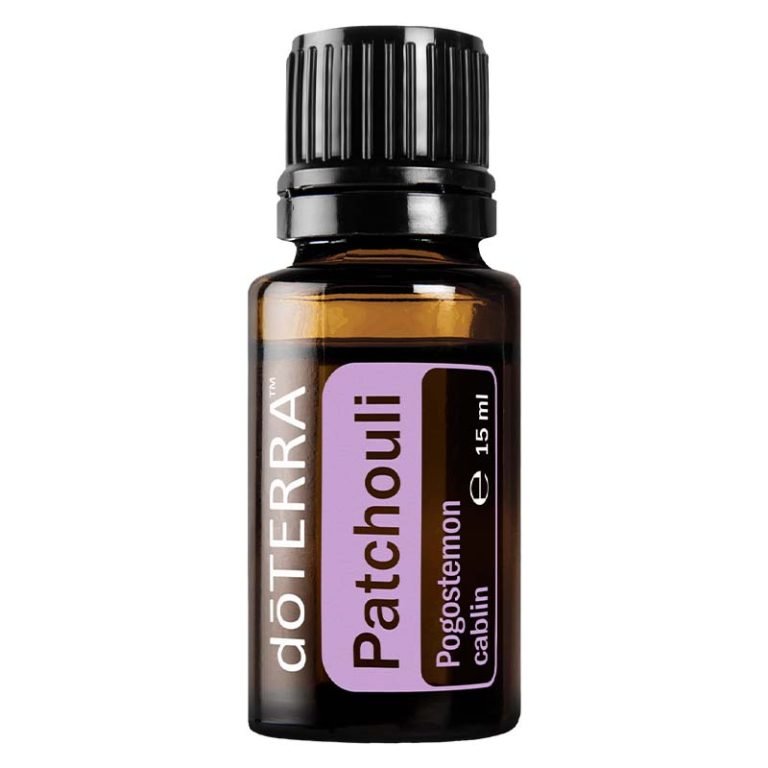
My approach to well-being relies on consistency, and that requires quality products. I look for brands that follow rigorous testing like dōTERRA's Certified Pure Tested Grade (CPTG) protocol. Knowing the oil is free from fillers gives me confidence in my daily routine.
Conclusion
Patchouli is a versatile addition to a balanced life. Whether you appreciate its grounding aroma or its role in a skincare ritual, it is a botanical worth exploring. I find that results come from consistent action and understanding your tools. Integrate it thoughtfully into your days and see how it works for you.
Selected research
To be clear: there are no human clinical trials for patchouli essential oil. The research listed is laboratory work. I share these only for your own transparency and curiosity.
- Swamy MK, Sinniah UR. (2015). A comprehensive review on the phytochemical constituents and pharmacological activities of Pogostemon cablin Benth.: an aromatic medicinal plant of industrial importance. Molecules. PubMed 25985355
A review of patchouli’s chemistry. Note that these findings are based on laboratory or animal studies. - Junren C, Xiaofang X, Mengting L, et al. (2021). Pharmacological activities and mechanisms of action of Pogostemon cablin Benth: a review. Chinese Medicine. PubMed 33413544
This summarizes preclinical model observations and highlights the absence of human clinical trials. - Hong SJ, Cho J, Boo CG, et al. (2020). Inhalation of patchouli (Pogostemon cablin Benth.) essential oil improved metabolic parameters in obesity-induced Sprague Dawley rats. Nutrients. PubMed 32668680
This is an animal study. These results do not apply to humans. - Zhang Y, Cao R, Wang D, et al. (2024). Inhalation of patchouli essential oil alleviates airway inflammation in cigarette smoke-induced COPD mice. Scientific Reports. PubMed 39738731
A laboratory study on mice. This is not a human clinical trial.
These studies help you see the research landscape yourself. They are not treatment recommendations. Always discuss your personal health with a professional.
Disclaimer: This information is for educational purposes. It is not intended to diagnose, treat, or cure disease. Always talk to a healthcare professional before making health changes, especially if you have medical conditions, are pregnant, or are taking medication. Use oils with care.
Frequently Asked Questions
What is patchouli essential oil good for?
I find it excellent for a grounding aroma and maintaining emotional balance. It is also a staple in many skincare routines to help soothe and balance the complexion.
How do I use patchouli oil for skin?
Always dilute it. I suggest adding 1-2 drops to your regular moisturizer, or blending 3-5 drops into a teaspoon of carrier oil for targeted skin use.
Is patchouli oil safe for everyone?
Use it with caution. Always perform a patch test, avoid sensitive spots, and check with your healthcare provider if you are pregnant, nursing, or have a specific health condition.
What does patchouli essential oil smell like?
It has a classic, complex scent—earthy, musky, and slightly sweet. It is a very distinct, grounding aroma.
Can I diffuse patchouli oil?
Yes. I often suggest adding 3-5 drops to a diffuser to enjoy the aroma throughout your space.
Sources
Recommended Products
Related articles
Myrrh Essential Oil: Uses, Benefits & Safety for Beginners
Clove Essential Oil: Uses, Benefits & Safety Guide
Turmeric Essential Oil: Benefits, Uses, and Safety Guide
Peppermint Essential Oil: Uses, Benefits, and Safety Guide
Was this article helpful?

Written by
Pete — Nourished by Pete
After struggling for more than 20 years with eczema, allergies and health challenges no doctor could fully explain, Pete found his answers in the foundations of health. Today he helps people create simple, sustainable changes that improve energy, sleep, digestion, stress resilience and overall wellbeing.