
Carrier Oils Explained: Choosing for Essential Oils
Essential oils are powerful, concentrated plant extracts. I have spent decades learning that consistency is the foundation of wellbeing, and that applies to how we use these extracts. Applying them directly can sometimes cause irritation because they are so potent. That is why I always emphasize using carrier oils. They act as a reliable vehicle to safely deliver essential oils to your skin.
What Are Carrier Oils and Why Do We Need Them?
Carrier oils are vegetable oils typically derived from seeds, nuts, or kernels. Unlike essential oils, they do not evaporate or carry a strong aroma. Their primary role in the routines I teach is to:
- Dilute Potency: Reduce the concentration, making topical application safe and minimizing skin sensitivity.
- Enhance Absorption: Help the essential oil stay on the skin rather than evaporating quickly.
- Nourish Skin: Many offer their own moisturizing properties.
- Increase Coverage: Allow you to spread a small amount over a larger area.
Think of a carrier oil as the foundation of your routine. It helps you safely build your experience, ensuring maximum benefit with minimal risk.
Key Characteristics to Consider When Choosing a Carrier Oil
Selecting the right oil depends on your needs. I suggest considering these factors:
- Absorption Rate: Some oils absorb quickly, leaving a non-greasy feel, while others absorb slowly for deeper hydration.
- Scent: Choose mild or unscented oils that do not interfere with the aroma.
- Skin Type Suitability: Match the oil to your skin's unique needs.
- Shelf Life: Some oils are more stable than others.
- Fatty Acid Profile: This influences the texture and feel of the oil.
Popular Carrier Oils and Their Benefits
I find it helpful to look at the most widely used options:
Fractionated Coconut Oil (FCO)
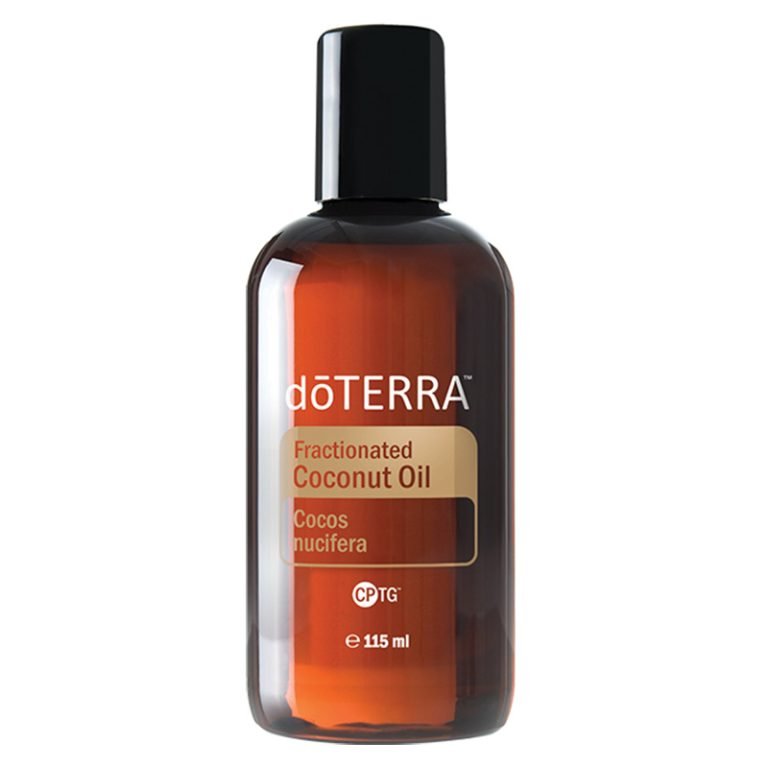
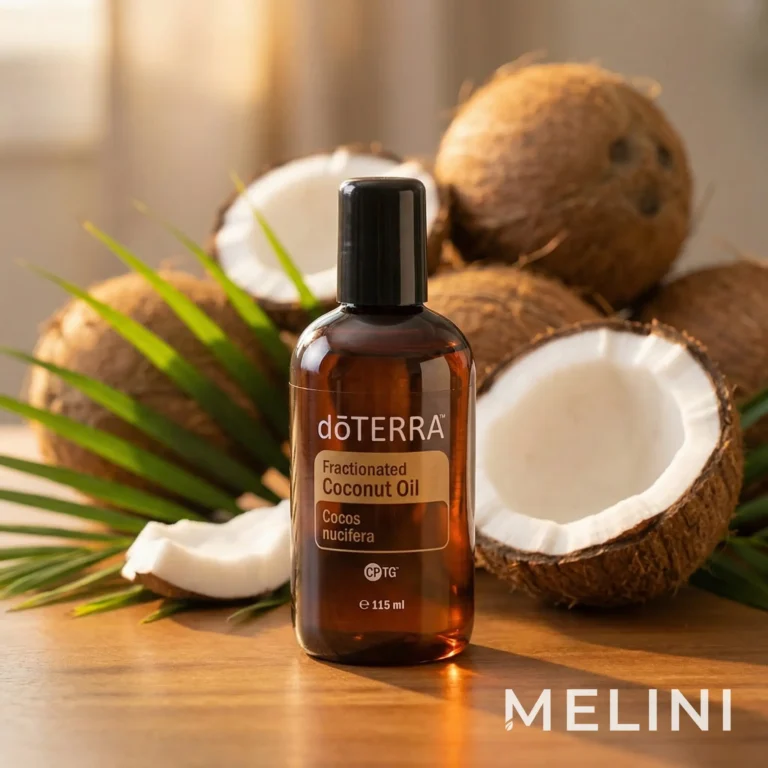
- Description: This is a favorite in the dōTERRA community. It has been processed to remove long-chain fatty acids, leaving only medium-chain triglycerides (MCTs).
- Benefits: It is colorless, odorless, and non-greasy. Because it absorbs quickly and has a long shelf life, it is a staple in my routine for daily applications.
Jojoba Oil
- Description: This is technically a liquid wax that mimics the skin's natural sebum.
- Benefits: It is great for balancing and is often favored by those looking for a non-comedogenic option for facial care.
Sweet Almond Oil
- Description: A versatile oil extracted from sweet almonds.
- Benefits: It is nourishing and feels wonderful for massage. It has a slightly nutty scent.
Avocado Oil
- Description: A thick, rich oil pressed from the fruit.
- Benefits: Known for deep moisturizing, it is excellent for very dry skin. It absorbs slowly, providing lasting hydration.
Grapeseed Oil
- Description: A lightweight oil extracted from seeds.
- Benefits: It is light, non-greasy, and absorbs quickly.
Argan Oil
- Description: Often called 'liquid gold.'
- Benefits: Highly moisturizing and beneficial for skin and hair. It absorbs well without feeling heavy.
How to Choose the Right Carrier Oil for You
In the sessions I lead, I advise people to choose based on their current needs:
- For General Use & Beginners: Fractionated Coconut Oil is my go-to recommendation. Its versatility and stability make it an easy place to start.
- For Oily Skin: Jojoba or Grapeseed oils are light and effective.
- For Dry Skin: Sweet Almond, Avocado, or Argan oils provide that extra nourishment.
- For Massage: Sweet Almond or Fractionated Coconut Oil provide great glide.
- Consider Allergies: If you have nut allergies, avoid oils like Sweet Almond and choose alternatives like Fractionated Coconut Oil or Jojoba.
Do not be afraid to experiment to see what feels best for your body.
Safety and Precautions
Safety is a non-negotiable for me. Always prioritize these steps:
- Dilution Ratios: This is paramount. A general guideline is a 1-2% dilution for daily use—about 1-2 drops of essential oil per teaspoon of carrier oil.
- Sensitive Skin: Use lower ratios, around 0.5-1%. Always consult a professional if you have concerns.
- Pregnancy and Breastfeeding: Consult with a qualified healthcare provider before using essential oils.
- Patch Test: Before using a new blend, test it on a small area, like your inner forearm. Wait 24 hours to check for reactions.
- Internal Use: This article focuses on topical use. Essential oils should only be ingested with professional guidance and only if they are specific, certified pure oils.
- Allergies: Always check labels for nut-derived ingredients.
- Photosensitivity: Be aware that some essential oils, particularly citrus, can cause skin sensitivity to sunlight. Avoid sun exposure for 12-24 hours after application.
Conclusion
Carrier oils are essential partners in safely harnessing the potential of your oils. By understanding their properties, you can create a routine that works for you. Start with a versatile option like dōTERRA's Fractionated Coconut Oil, and explore from there. Consistency is what creates results.
Selected research
The safety guidance on this page is based on dermatology research explaining why dilution matters.
- Sukakul T, Bruze M, Mowitz M, et al. (2022). Contact allergy to oxidized linalool and oxidized limonene: patch testing in consecutive patients with dermatitis. Contact Dermatitis. PubMed 34561893
Research underscores the importance of proper dilution and storage away from light. - Dittmar D, Schuttelaar MLA. (2019). Contact sensitization to hydroperoxides of limonene and linalool. Contact Dermatitis. PubMed 30378131
Documents that oxidation over time is often the trigger for sensitivities. - de Groot A, Schmidt E. (2016). Essential oils, part V: peppermint oil, lavender oil, and lemongrass oil. Dermatitis. PubMed 27775966
A dermatology review of documented skin reactions.
These studies describe observations under specific conditions and are not treatment recommendations. Always consult a professional.
Disclaimer: This information is for educational purposes only and is not medical advice. Consult a healthcare professional before making decisions about your health. These statements have not been evaluated by the FDA. dōTERRA products are not intended to diagnose, treat, cure, or prevent any disease.
Frequently Asked Questions
Can I use essential oils without a carrier oil?
While some oils may be used undiluted in specific situations, I always suggest using a carrier oil to minimize irritation and improve absorption.
Is Fractionated Coconut Oil the best carrier oil?
It is my personal recommendation due to its odorless nature and stability, but the 'best' oil is simply the one that fits your skin and routine.
How do I know which carrier oil is right for my skin type?
Start with a lightweight option if you have oily skin, or a richer oil if you have dry skin. Patch testing is your best tool to find what works.
What is the correct dilution ratio for essential oils?
A standard 1-2% dilution works for most adults. Use less for sensitive skin. Always follow the specific guidelines for the oil you are using.
Sources
Recommended Products
Related articles
Carrier Oil for Tea Tree, Rosemary & Peppermint Oil: Dilution Chart
Essential Oil Diffusion: Methods, Benefits & Safety Guide
Essential Oils for Beginners: Your Complete Guide to Nature's Essence
Oregano Essential Oil: Benefits, Uses, and Safety Guide
Was this article helpful?

Written by
Pete — Nourished by Pete
After struggling for more than 20 years with eczema, allergies and health challenges no doctor could fully explain, Pete found his answers in the foundations of health. Today he helps people create simple, sustainable changes that improve energy, sleep, digestion, stress resilience and overall wellbeing.