
Tea tree, rosemary and peppermint are three of the most searched essential oils in India, and all three need a carrier oil before they touch your skin or scalp. This guide gives you a simple answer for each oil: which carrier to use, how many drops, and how to mix it.
Quick answer
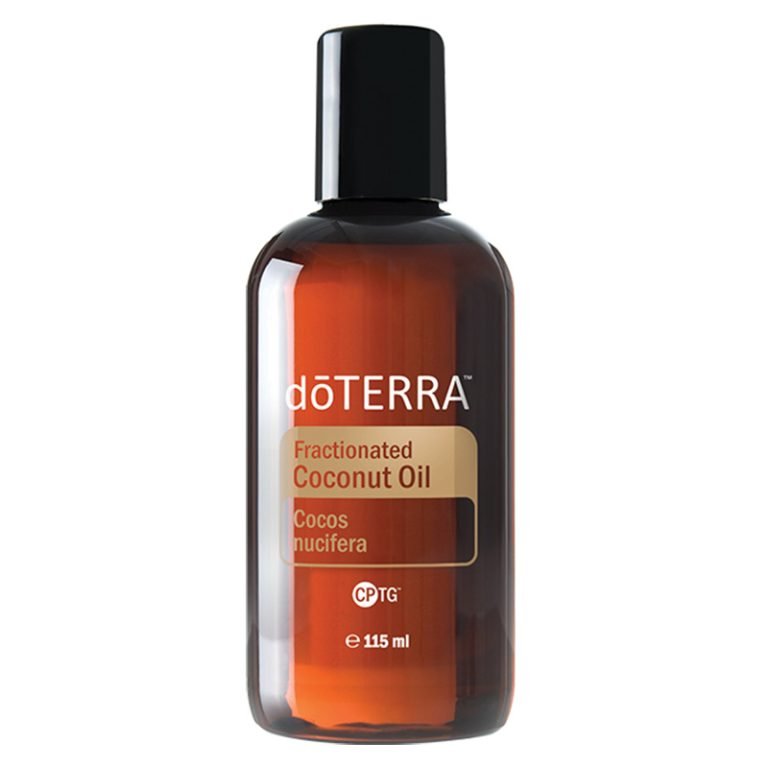
For most people, Fractionated Coconut Oil is the easiest carrier for all three oils. It is light, odourless, stays liquid in Indian summers and winters, and does not change the aroma of the essential oil. Jojoba, sweet almond and cold-pressed coconut oil also work. Use 1% for the face, 2% for the body and up to 3% for short-term use on a small area.
Dilution chart
| Strength | 1 teaspoon (5 ml) carrier | 1 tablespoon (15 ml) carrier | 10 ml roller bottle |
|---|---|---|---|
| 0.5% (sensitive skin) | ½ drop (use 1 drop in 2 tsp) | 1–2 drops | 1 drop |
| 1% (face, daily use) | 1 drop | 3 drops | 2 drops |
| 2% (body, massage) | 2 drops | 6 drops | 4 drops |
| 3% (small area, short term) | 3 drops | 9 drops | 6 drops |
Rule of thumb: 1 ml is about 20 drops, so 1% means 1 drop of essential oil in every 5 ml of carrier oil.
Carrier oil for tea tree oil
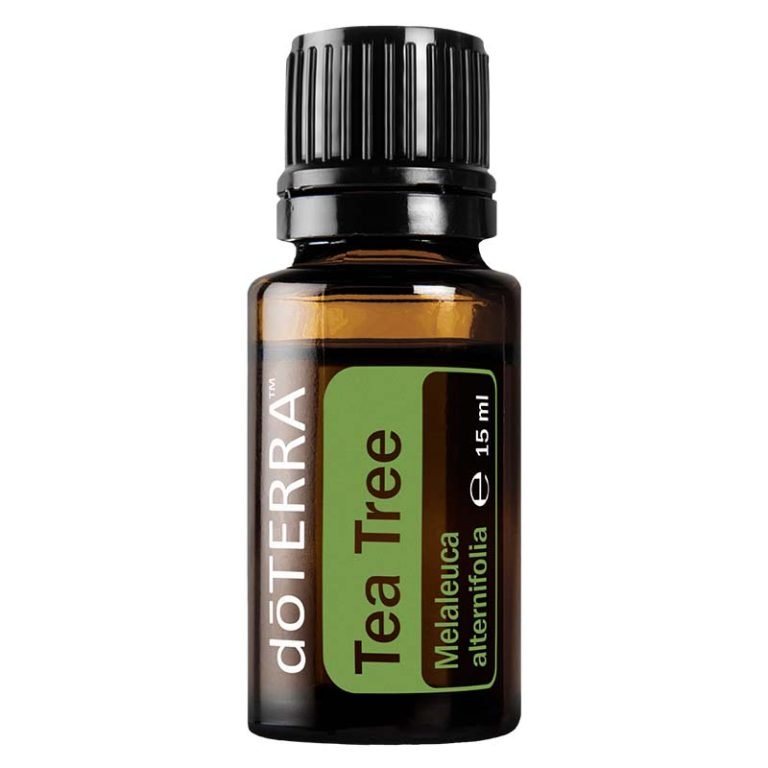
Tea tree (melaleuca) oil is popular in Indian skin-care routines because of its fresh, clean scent. It should not be applied neat.
- Best carrier: Fractionated Coconut Oil or jojoba. Both feel light and are non-greasy, which suits humid weather and oily skin.
- Face: 1% (1 drop per teaspoon). Apply with a cotton bud to a small area.
- Body, feet and nails: 2% (2 drops per teaspoon).
- Tip: keep tea tree away from the eyes and lips, and replace an old bottle once it smells sharp or stale, because oxidised oil is more likely to irritate.
Read more in our tea tree oil guide.
Carrier oil for rosemary oil (hair and scalp)
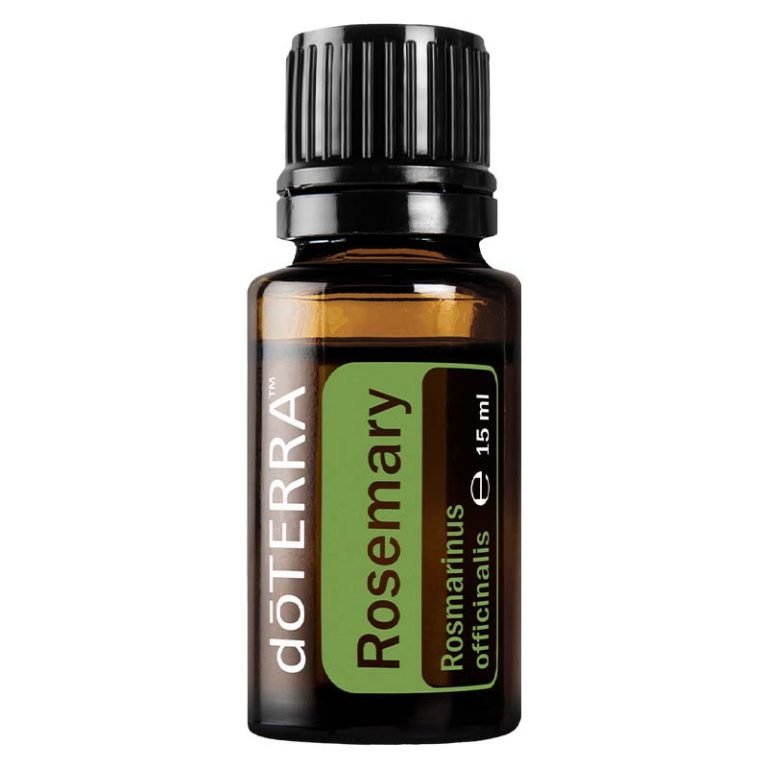
Rosemary is the most popular hair oil in India. The carrier matters more here because you leave it on the scalp for a while.
- Best carrier: Fractionated Coconut Oil if you want a light, easy-to-wash oil; cold-pressed coconut oil or sweet almond oil if you like a richer, traditional champi.
- Scalp oil: 3–5 drops of rosemary in 1 tablespoon of carrier (about 1–1.5%).
- How to use: massage into the scalp for 3–5 minutes, leave for 30 minutes or overnight, then wash. Two or three times a week is enough.
- Avoid: rosemary during pregnancy without professional advice, and do not use it on young children.
More recipes are in our rosemary oil guide.
Carrier oil for peppermint oil
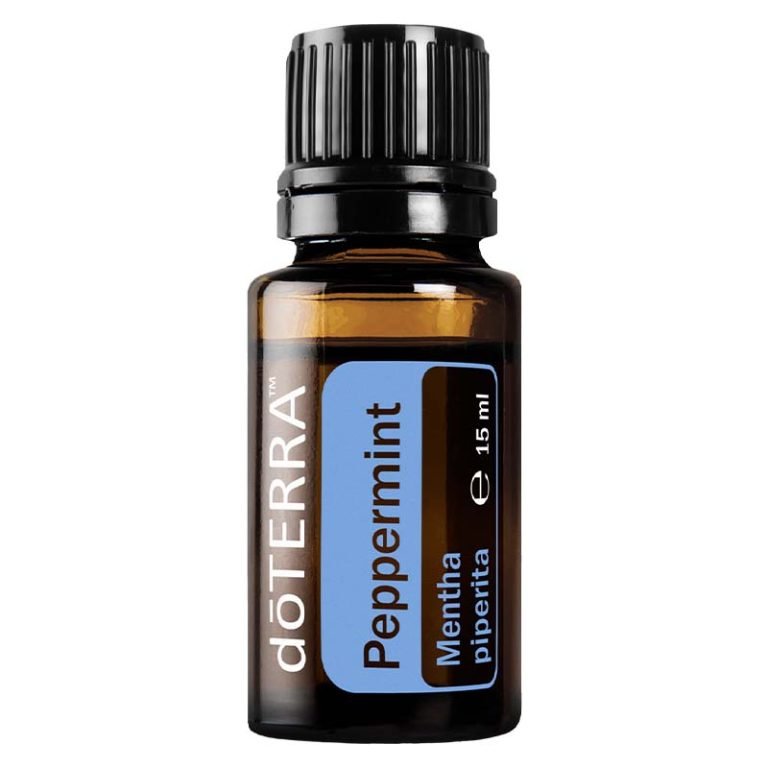
Peppermint is very strong and gives a cooling feeling, so it needs the lowest dilution of the three.
- Best carrier: Fractionated Coconut Oil. Its light texture spreads the cooling sensation evenly.
- Temples, neck and shoulders: 1% (1 drop per teaspoon). Start lower if your skin is sensitive.
- Feet after a long day: up to 2%.
- Avoid: the eyes, broken skin, and the face and chest of young children.
See the peppermint oil guide for more everyday uses.
Which carrier oil should you choose?
| Carrier oil | Feel | Best for |
|---|---|---|
| Fractionated Coconut Oil | Very light, odourless, never solidifies | All three oils, roller bottles, daily use |
| Jojoba | Light, close to skin's own oils | Tea tree for the face |
| Cold-pressed coconut | Rich, solid below about 24 °C | Rosemary hair oil |
| Sweet almond | Smooth, good glide | Massage blends (avoid with nut allergy) |
For a deeper comparison of carrier oils, read Carrier Oils Explained, and for ratios by age see our dilution guide.
Patch test first
Mix your blend, apply a small amount to the inner forearm and wait 24 hours. If you notice redness or itching, wash the area with plain carrier oil and then soap, and do not use that blend again.
Frequently Asked Questions
Can I mix tea tree oil with coconut oil?
Yes. Fractionated or cold-pressed coconut oil both work. Use 1 drop of tea tree per teaspoon for the face and 2 drops per teaspoon for the body.
How many drops of rosemary oil in 100 ml of hair oil?
About 20–30 drops in 100 ml of carrier oil gives a 1–1.5% blend, which is suitable for regular scalp massage.
Can I put peppermint oil directly on my skin?
It is better not to. Peppermint is strong and can feel hot or irritating when used neat. Dilute it to about 1% first.
Is mustard oil a good carrier oil?
Mustard oil is warming and has a strong smell of its own, so it can irritate sensitive skin and hide the aroma of the essential oil. A neutral carrier such as Fractionated Coconut Oil is a better choice.
Disclaimer: This information is for educational purposes only and is not medical advice. Consult a healthcare professional before using essential oils if you are pregnant, breastfeeding or under medical care. dōTERRA products are not intended to diagnose, treat, cure, or prevent any disease.
Recommended Products
Related articles
Carrier Oils Explained: Choosing for Essential Oils
Essential Oil Diffusion: Methods, Benefits & Safety Guide
Essential Oils for Beginners: Your Complete Guide to Nature's Essence
Essential Oils and Head Tension: What I Suggest and What Research Says
Was this article helpful?

Written by
Pete — Nourished by Pete
After struggling for more than 20 years with eczema, allergies and health challenges no doctor could fully explain, Pete found his answers in the foundations of health. Today he helps people create simple, sustainable changes that improve energy, sleep, digestion, stress resilience and overall wellbeing.