
The essential oil paper test is the simplest purity check you can do at home. It takes one sheet of white paper and a few hours. It cannot prove that an oil is pure, but it is a quick way to spot oils that have been stretched with vegetable oil, which is a common problem with cheap oils sold online in India.
How to do the paper test
- Take a sheet of plain white printer paper. Avoid glossy or coloured paper.
- Put one drop of the essential oil in the middle. If you want a comparison, put one drop of a carrier oil (for example coconut oil) a few centimetres away.
- Leave the paper flat in a room with normal airflow, away from direct sun.
- Check after 2–4 hours, and again after 24 hours.
How to read the result
| What you see after 24 hours | What it usually means |
|---|---|
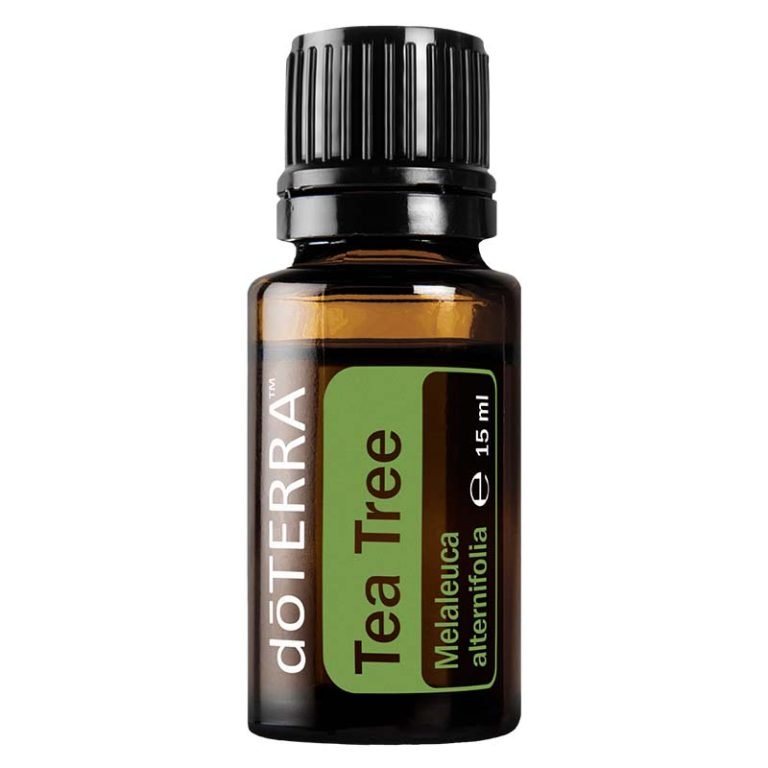
| The spot has almost disappeared; at most a faint outline remains | Typical of a light, steam-distilled oil such as peppermint, eucalyptus, tea tree, lavender or rosemary |
| A clear greasy ring that looks like the carrier oil spot | The oil is probably diluted with a fatty carrier oil |
| A yellow or orange stain without greasiness | Normal for cold-pressed citrus oils (lemon, wild orange, bergamot) because of natural pigments and waxes |
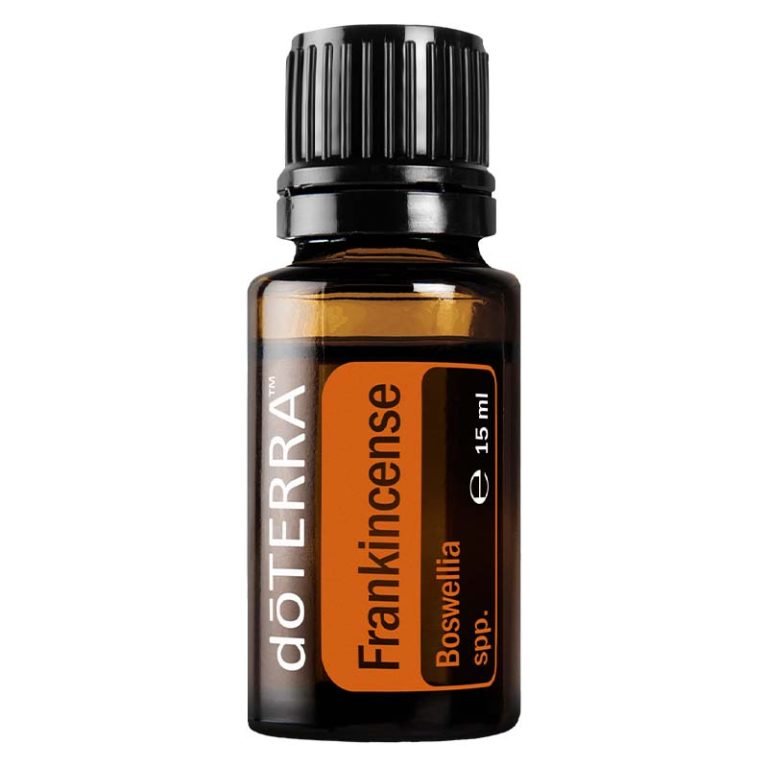
| A slightly sticky or darker mark | Normal for heavy, thick oils such as sandalwood, vetiver, patchouli, myrrh or frankincense resin oils |
What the paper test cannot tell you
The paper test only detects one kind of adulteration: fatty oils that do not evaporate. It cannot detect:
- Synthetic fragrance compounds that evaporate just like essential oils.
- Cheaper essential oils mixed into an expensive one, for example lavandin in lavender.
- Solvents or alcohol, which may even make the spot vanish faster.
- Old or oxidised oil, which can still evaporate but smells flat or sharp.
So a "pass" is not a guarantee. A "fail" (a greasy ring with a light oil) is a strong warning sign.
Other simple checks
- Price: pure sandalwood, rose or frankincense cannot cost the same as lemon. If every oil in a shop has the same price, be careful.
- Label: look for the botanical (Latin) name, the plant part, the country of origin and a batch or lot number.
- Packaging: essential oils should come in dark glass with an orifice reducer, not clear plastic.
- Words like "fragrance oil", "aroma oil" or "nature identical" mean the product is not a pure essential oil.
- Water test: a drop of pure essential oil floats and does not mix with water; a milky look suggests added emulsifiers.
How dōTERRA checks purity
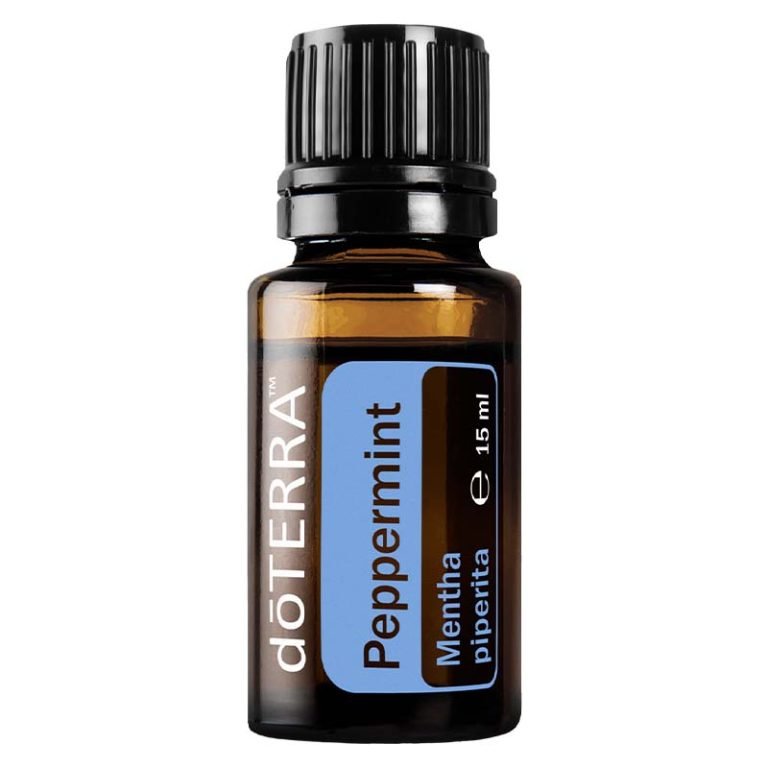
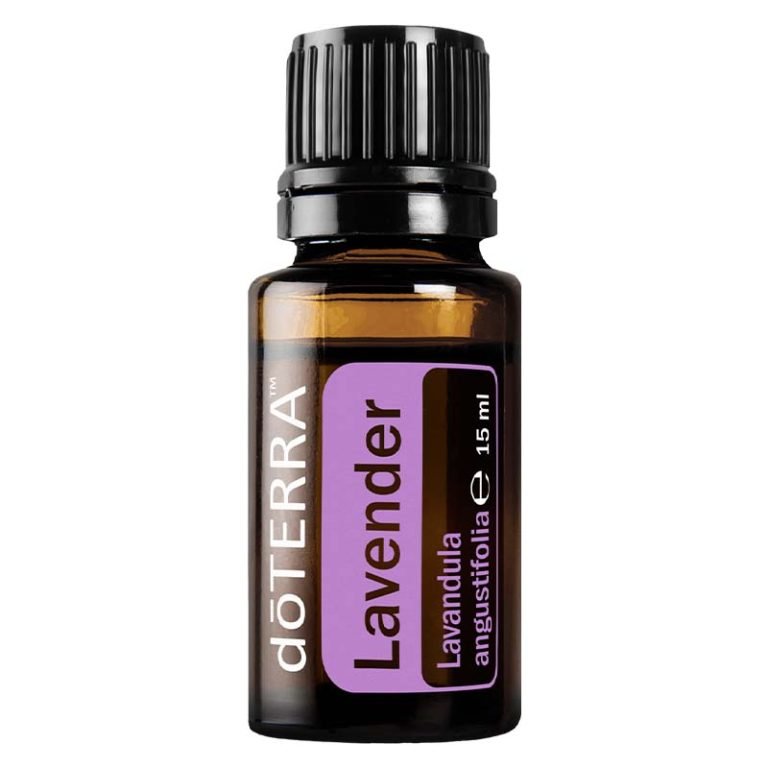
Lab testing is the only reliable way to confirm purity. dōTERRA oils are tested under the CPTG Certified Pure Tested Grade® protocol, which includes gas chromatography–mass spectrometry (GC-MS), and you can look up the quality report for your bottle's batch number on dōTERRA's Source to You website. Every dōTERRA oil we sell in India comes sealed, with its batch number on the bottle.
Read more about choosing a brand in our best essential oil brands in India comparison, or browse pure single essential oils.
Frequently Asked Questions
Does pure essential oil leave a mark on paper?
Most light essential oils evaporate and leave little or no mark. Citrus oils can leave a coloured stain and thick oils like sandalwood can leave a faint mark, which is normal.
How long should I wait for the paper test?
Look after 2–4 hours for light oils and after 24 hours for thicker oils.
Can I test a roller bottle or Touch oil this way?
No. Roll-ons and Touch products are pre-diluted with Fractionated Coconut Oil on purpose, so they will always leave a greasy ring.
Is the paper test proof that my oil is pure?
No. It only shows whether a fatty carrier oil was added. Only lab tests such as GC-MS can confirm purity.
Disclaimer: This information is for educational purposes only and is not medical advice. dōTERRA products are not intended to diagnose, treat, cure, or prevent any disease.
Recommended Products
Related articles
Understanding doTERRA: CPTG Quality and Its Importance
Can You Put Camphor in a Diffuser? Safer Options
Carrier Oil for Tea Tree, Rosemary & Peppermint Oil: Dilution Chart
Essential Oils and Head Tension: What I Suggest and What Research Says
Was this article helpful?

Written by
Pete — Nourished by Pete
After struggling for more than 20 years with eczema, allergies and health challenges no doctor could fully explain, Pete found his answers in the foundations of health. Today he helps people create simple, sustainable changes that improve energy, sleep, digestion, stress resilience and overall wellbeing.