
Introduction: Finding Comfort and Routine
After 20+ years of managing my own eczema, allergies, and inflammation, I have learned that lasting well-being isn't about quick fixes; it is about consistent daily foundations. I have spent years supporting people across India, Vietnam, Australia, Europe, and North America in building these habits. Whether I am heading out for my morning run around Hanoi's West Lake or starting my day with two drops of Lemon in water, I know that results come from steady, informed self-care.
When it comes to head tension, I always suggest looking at your lifestyle foundations first—nutrition, movement, sleep, and managing your toxic load. Please note: essential oils are for comfort and relaxation, not for treating or preventing migraines. If you deal with frequent or severe headaches, please see your doctor for proper diagnosis and care.
The Role of Aroma and Relaxation
I view essential oils as one tool in a broader toolkit for daily well-being. Their aromatic properties can help shift your environment and support your nervous system. While small studies have looked at the potential benefits of certain oils, my approach is always practical and grounded in how they can help you feel more comfortable in your daily life.
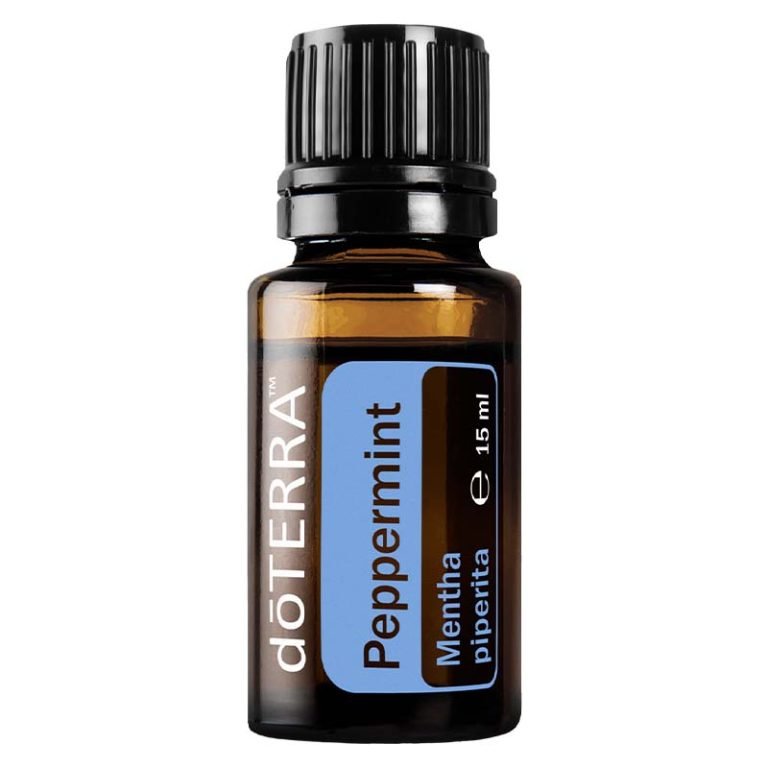
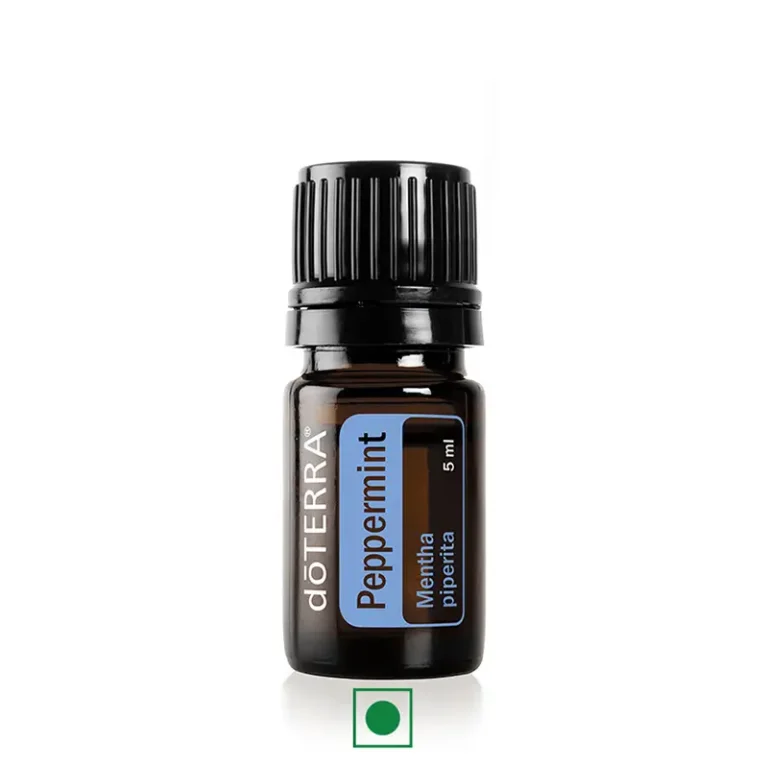
Peppermint Essential Oil (Mentha piperita)
I often suggest Peppermint for its cooling aroma. Some small studies have explored the effects of applying diluted peppermint oil topically. I find that for many, simply the sensation of the cooling menthol can be a helpful way to encourage muscle relaxation and ease the feeling of head tension. Always dilute it properly before applying it to your skin.
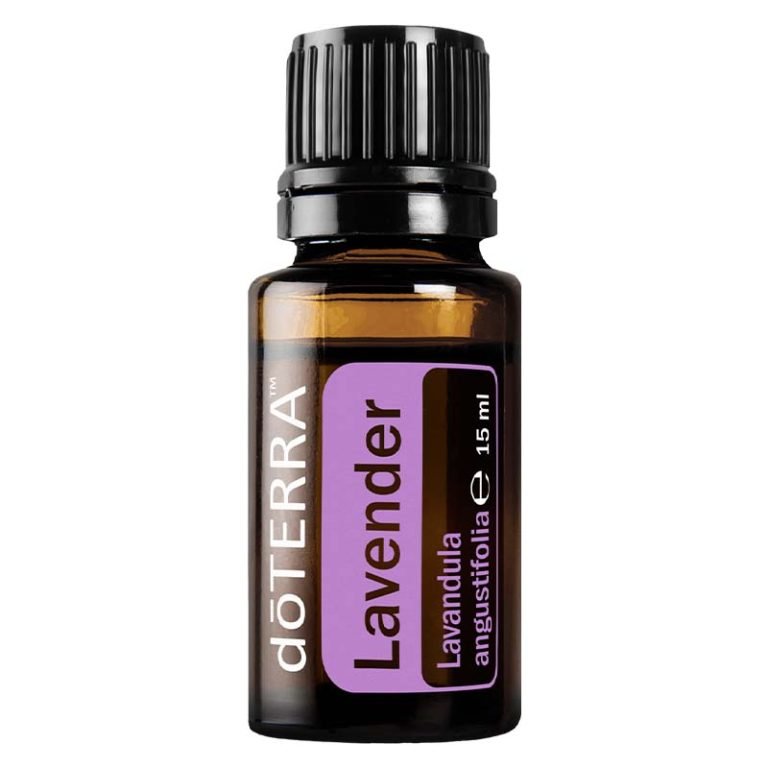
Lavender Essential Oil (Lavandula angustifolia)
When head tension is tied to stress or a poor night of sleep, I suggest reaching for Lavender. Its calming aroma is a staple in my own routine. Small studies have looked at whether inhaling lavender might help reduce the severity of head tension, and I find it useful for creating a quiet, restorative space when you need to slow down and breathe.
Frankincense Essential Oil (Boswellia carterii, frereana, sacra, or papyrifera)
I often call Frankincense a cornerstone for general well-being. While specific research on Frankincense and head discomfort is more limited, I find it incredibly grounding. I usually suggest blending it with other oils to create a calm, supportive atmosphere during times of stress. It is a simple, effective way to nurture your overall sense of cellular health.
Why I Choose dōTERRA for My Well-being
Through my work as a global educator and mentor with dōTERRA, I have seen why quality matters. I rely on CPTG Certified Pure Tested Grade® oils because I need to know exactly what is in the bottle. Whether you are living in India or anywhere else in the world, you deserve the peace of mind that comes with rigorous testing. Consistent action produces results, but only when your tools are pure and reliable.
Essential Oils and Head Tension: My Approach and What Research Says
After over 20 years dealing with my own health challenges like eczema and allergies, I have learned that lasting well-being is built on daily foundations. I now work as a Foundational Well-being Coach, supporting thousands across India, Vietnam, and beyond. When it comes to head tension, I focus on routines that encourage relaxation and comfort. While small studies have looked at how certain scents affect our nervous system, I always advise seeing a doctor for frequent or severe head tension.
Aromatic Support for Relaxation
- Diffusion: I often suggest adding 3-5 drops of oils like dōTERRA Peppermint, Lavender, or Frankincense to a diffuser. This creates a calming environment. When I am home in Hanoi, I find that a peaceful space helps me unwind after a long day.
- Direct Inhalation: For quick aromatic benefits, I place 1-2 drops in my palms, cup them near my nose, and breathe deeply. It is a simple, practical way to shift your focus when you feel overwhelmed.
Topical Use: The Importance of Dilution
When applying oils to the skin, dilution is my golden rule. Whether I am in the heat of India or traveling elsewhere, I always use a carrier oil like dōTERRA Fractionated Coconut Oil to ensure comfort and proper absorption.
- Peppermint: I recommend mixing 1-2 drops with a teaspoon of carrier oil. Gently massage this onto your temples and the back of your neck. Avoid the eyes.
- Lavender: This is a favorite for evening routines. Mix 2-3 drops with a teaspoon of carrier oil and apply to pulse points to encourage rest.
- Frankincense: I find this oil is excellent for calming. Blend 2-3 drops with a carrier oil and apply to the forehead or base of the skull.
- Blending: Consistency is key. I often suggest a blend of 1 drop Peppermint, 2 drops Lavender, and 1 drop Frankincense in 1-2 teaspoons of carrier oil for a comprehensive routine.
Safety Guidelines for Your Daily Routine
Taking care of yourself means practicing safety. Please keep these in mind:
- Dilution: A standard 2-3% dilution (12-18 drops per 30ml) is my usual recommendation. If your skin is sensitive, go lower.
- Patch Testing: Always test a small amount on your forearm and wait 24 hours to see how your skin responds.
- Avoid Internal Use: My advice is focused on aromatic and topical use. Please do not ingest oils.
- Sensitive Areas: Keep oils away from eyes and inner ears. If contact happens, use a carrier oil, not water, to dilute it.
- Professional Advice: If you are pregnant, breastfeeding, managing medical conditions, or taking medication, always speak with your doctor first.
- Family Safety: Use higher dilution for children and store all bottles out of reach of pets and kids.
Practical Steps for Relief
Over the last 20 years, dealing with my own allergies and inflammation taught me that lasting well-being is about consistent foundations. When I feel head tension, I look for simple, proactive habits.
- Identify Your Triggers: Pay attention to your patterns. Understanding what sets off tension allows you to be proactive with your self-care.
- Prepare Your Blend: I always suggest keeping a diluted roller bottle ready. It makes application simple when you are on the go.
- Apply and Relax: When you feel tension, apply your diluted blend to your temples, forehead, and neck. Find a quiet, dark space, close your eyes, and focus on deep breathing.
- Aromatic Support: Diffuse oils like Lavender or Frankincense to support a calm environment.
- Consistency: Results come from consistent action. Make your self-care, like a quiet evening massage or diffusion, a non-negotiable part of your daily routine.
When to Consult a Healthcare Professional
Essential oils are a tool for comfort and aroma, not a substitute for medical care. If you experience severe, persistent, or worsening headaches, or if they are accompanied by symptoms like vision changes or numbness, please see a doctor immediately. Always seek professional advice for any health condition.
Conclusion
I view essential oils as a natural way to support daily well-being and promote relaxation. Having supported thousands of people across the globe, I have seen how quality matters. Whether I am in India, Vietnam, or the US, I prioritize purity—which is why I use dōTERRA. Integrate Peppermint, Lavender, and Frankincense into your routine mindfully, always keeping safety and dilution in mind. Rely on professionals for medical needs.
Disclaimer: The information provided in this article is for educational and informational purposes only and is not intended as medical advice. It is not a substitute for professional medical advice, diagnosis, or treatment. Always seek the advice of your physician or other qualified health provider with any questions you may have regarding a medical condition.
Frequently Asked Questions
Can essential oils stop head tension?
Essential oils are not a medical treatment. They are a complementary approach to help support relaxation and manage the discomfort associated with head tension, but they do not replace professional medical diagnosis.
Which dōTERRA oils are best for tension?
I often suggest Peppermint for its cooling sensation, Lavender for its calming aroma, and Frankincense for its soothing properties.
How should I dilute essential oils for topical use?
Always use a carrier oil like dōTERRA Fractionated Coconut Oil. A standard starting ratio is 1-2 drops of essential oil per teaspoon of carrier oil to ensure safe application.
Is it safe to use essential oils during pregnancy for tension?
Please consult your doctor before using any essential oils if you are pregnant or breastfeeding. Professional guidance is essential to ensure safety for you and your baby.
Can I ingest dōTERRA essential oils for tension?
I do not endorse internal use for this purpose. Stick to aromatic and topical applications to support your comfort and daily routine.
Sources
Recommended Products
Related articles
Peppermint Essential Oil: Uses, Benefits, and Safety Guide
Frankincense: Unveiling the Ancient Resin & Modern Essential Oil
Sandalwood Essential Oil: Uses, Benefits & Safety Guide
Rosemary Essential Oil: Uses, Benefits & Safety Guide
Was this article helpful?

Written by
Pete — Nourished by Pete
After struggling for more than 20 years with eczema, allergies and health challenges no doctor could fully explain, Pete found his answers in the foundations of health. Today he helps people create simple, sustainable changes that improve energy, sleep, digestion, stress resilience and overall wellbeing.