
Introduction to Frankincense: The "King of Oils"
I have spent over two decades learning that true, lasting wellbeing is built through daily foundations—not quick fixes. For many years, I dealt with my own skin challenges and inflammation, and that journey taught me the value of simple, consistent habits. Frankincense, from the Boswellia tree, is often called the "King of Oils." It is something I find incredibly grounding to work with. Whether you are curious about the ancient resin or the essential oil, I am happy to share how these can fit into your own rhythm.
Understanding Frankincense Resin: A Gift from the Boswellia Tree
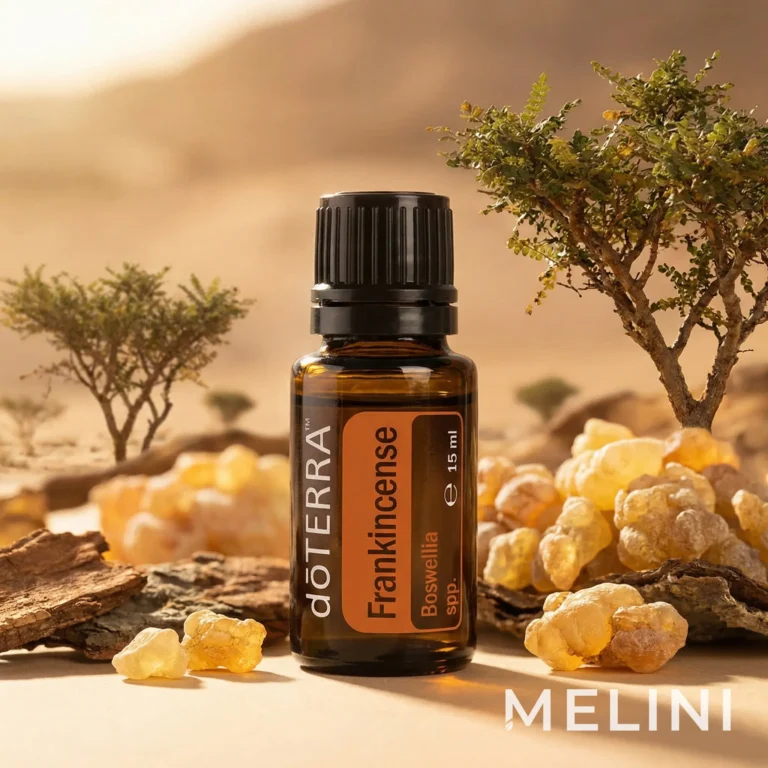
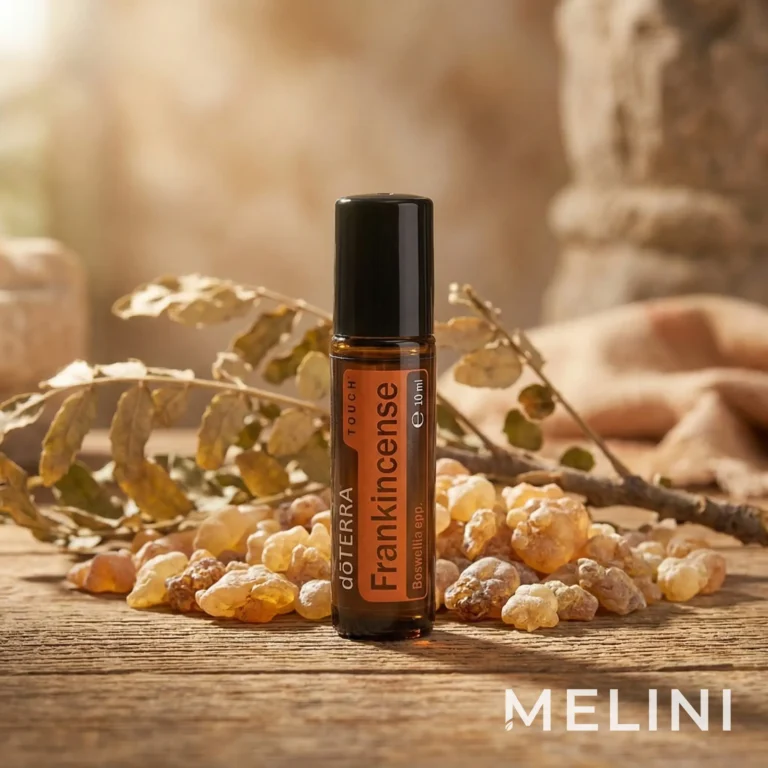
Frankincense resin is simply the hardened sap from Boswellia trees in arid regions. Harvesters gather the sap, which turns into these beautiful, tear-shaped droplets. It is a traditional process that honors the tree. I always look for practices that respect the source, and this is one of those timeless examples.
How to Burn Frankincense Resin for an Aromatic Experience
Burning resin is a simple way to shift the energy in a room and create a moment of quiet focus. I find it very effective for anchoring my day. Here is a practical way to manage this safely:
What You'll Need:
- Frankincense resin tears
- Charcoal briquettes for incense
- A heat-resistant burner
- Sand or ash to insulate the base
- Tongs
- A lighter
Step-by-Step Instructions:
- Prepare Your Burner: Add about an inch of sand or ash to your burner. This is a crucial step to manage heat.
- Light the Charcoal: Hold the charcoal with tongs and light it. Wait until it is covered in a light layer of grey ash.
- Place the Charcoal: Carefully set it onto the sand.
- Add the Resin: Place a piece or two of resin on the charcoal.
- Enjoy the Aroma: Let the fragrance fill your space. I suggest starting small and not overcrowding the charcoal.
- Ventilate: Always keep the air moving in your space.
- Extinguish Safely: Ensure the charcoal is completely cool before you clean up. Never leave it unattended.
Frankincense Resin vs. Frankincense Essential Oil: Key Differences
While they come from the same source, they serve different purposes in a daily routine. I usually suggest this distinction to the people I work with:
- Extraction Method: Resin is raw, collected sap. Essential oil is steam-distilled, concentrating the aromatic compounds into a liquid.
- Uses: Resin is for burning as incense. Essential oil is for diffusion and skin-support routines.
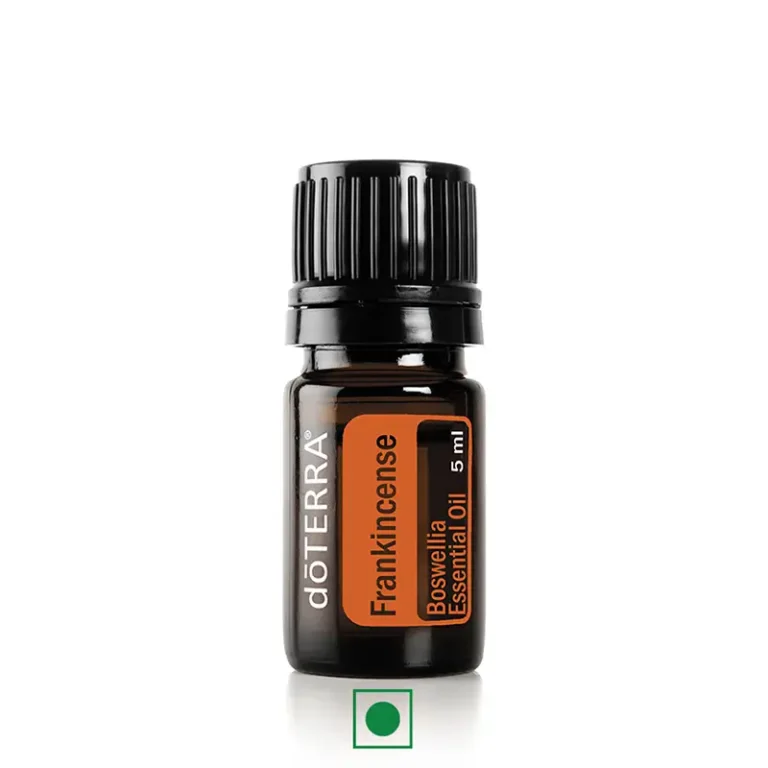
I trust dōTERRA for my own needs because of their commitment to purity and quality. It makes it much easier to integrate these into my morning and evening rituals.
Traditional Uses of Frankincense in India
In India, you will often hear this referred to as "Dhup." It has been used for generations to help create a peaceful, clear space. I have spent a lot of time in India, and I deeply appreciate how these traditional aromatic practices help create an inviting home atmosphere.
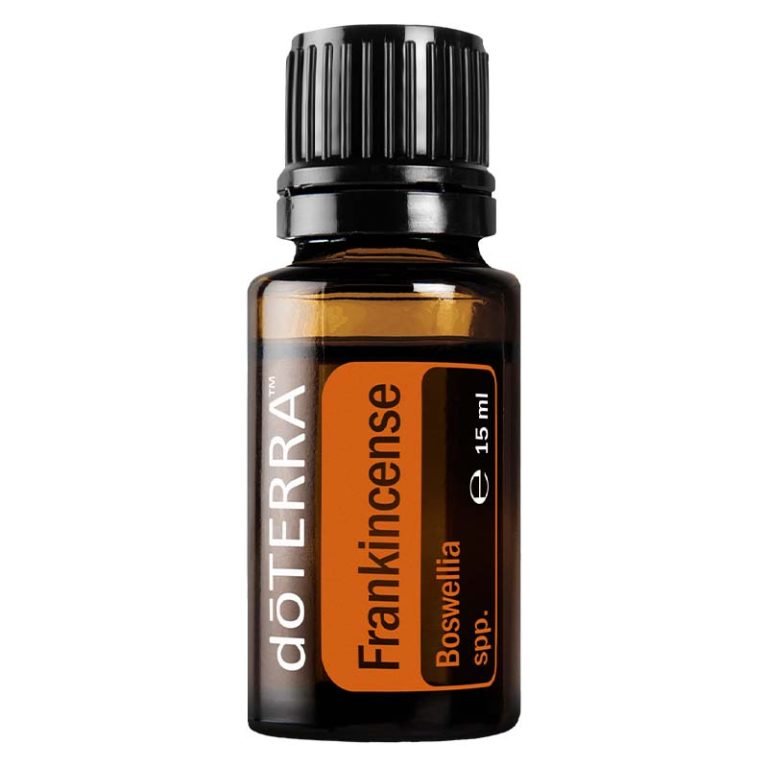
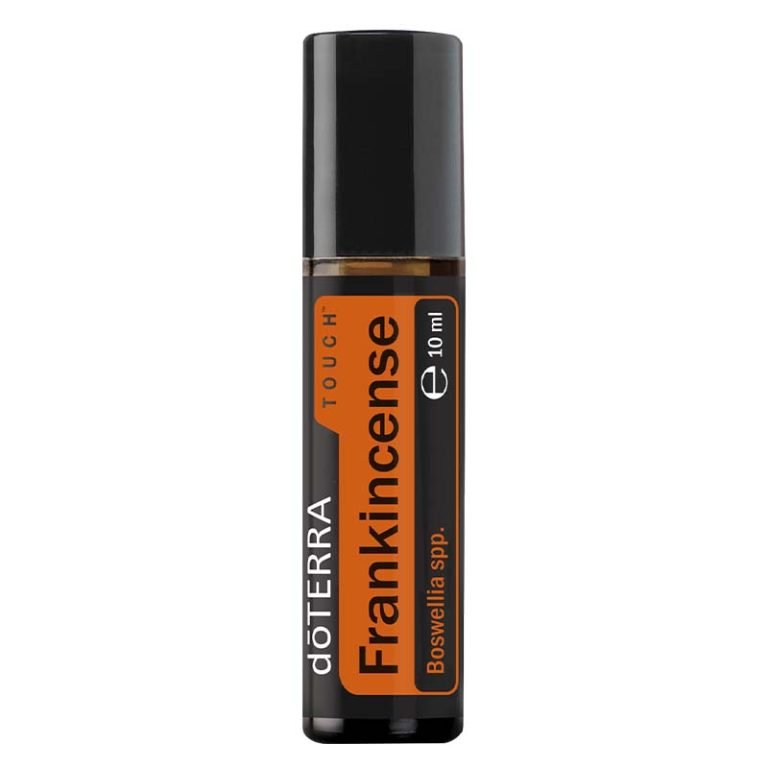
Embracing dōTERRA Frankincense Essential Oil
I focus on foundations: nutrition, movement, sleep, and managing toxic load. My own routine is non-negotiable, like my morning glass of water with two drops of Lemon oil, or my weekly coffee scrub. Adding Frankincense to your day is just another way to support your environment.
Ways to Use dōTERRA Frankincense Essential Oil:
- Aromatic: Diffuse 3-5 drops to create a balanced, calm atmosphere. I find this helpful when I need a moment of focus.
- Topical: Mix 1-2 drops with a carrier oil like dōTERRA Fractionated Coconut Oil and apply to your pulse points.
Consistency is everything. If you are struggling to find balance, remember that I view challenges as signals to adjust your foundations, not as "problems" to be fixed instantly.
Safety and Precautions When Using Frankincense
I am a big believer in informed self-care. Use these steps to stay safe:
General Safety Tips:
- Dilution is Key: Always dilute with a carrier oil. Use 1-2 drops per teaspoon of carrier oil.
- Patch Test: Try it on a small area of skin first.
- Avoid Sensitive Areas: Keep it away from your eyes or ears.
- Pregnancy/Children: Check with a professional first. For children, dilute heavily.
- Storage: Keep bottles in a cool, dark place.
- Burning Resin: Always supervise your burner and maintain good ventilation.
Disclaimer: The information I share here is for educational purposes and is not medical advice. I am not a doctor. If you have concerns, please speak with a qualified professional. These products are not intended to diagnose, treat, or prevent any conditions.
Frequently Asked Questions
Is burning frankincense resin safe indoors?
Yes, provided you are mindful of ventilation and keep it on a stable, heat-resistant surface. Never leave burning materials unattended.
Can I use frankincense essential oil the same way as resin?
No. Use resin for burning and the essential oil for diffusion or topical application.
What is the difference between dōTERRA Frankincense oil and other brands?
I rely on dōTERRA because of their CPTG standards, which ensure quality and consistency through rigorous testing.
How often can I use frankincense essential oil?
Diffuse it whenever you need to shift the mood, or apply it topically once or twice daily after dilution. I always suggest listening to your body's response.
Is frankincense suitable for children?
Be very cautious. Dilute heavily and ensure the room is well-ventilated. Consult a pediatrician if you are unsure.
Sources
Recommended Products
Related articles
Myrrh Essential Oil: Uses, Benefits & Safety for Beginners
Frankincense Essential Oil: Uses, Benefits & Safety Guide
Lavender Essential Oil: Uses, Benefits, and Safety Guide
Rosemary Essential Oil: Uses, Benefits & Safety Guide
Was this article helpful?

Written by
Pete — Nourished by Pete
After struggling for more than 20 years with eczema, allergies and health challenges no doctor could fully explain, Pete found his answers in the foundations of health. Today he helps people create simple, sustainable changes that improve energy, sleep, digestion, stress resilience and overall wellbeing.