
Understanding Headaches and Tension
I have spent over 20 years managing my own eczema, allergies, and inflammation. I have learned that lasting well-being isn't found in a quick fix. It comes from daily foundations like movement, sleep, and managing stress. Headaches and tension are often signals from the body that these foundations need attention. I often see this triggered by lifestyle factors like dehydration or simple daily stress.
Essential oils can be a useful tool for your self-care kit. They can help create a sense of calm. Here is what I suggest for addressing tension and discomfort.
What Essential Oil is Good for Headaches?
I often turn to peppermint and lavender. They are staples for supporting relaxation and easing the physical feeling of tension.
Peppermint Oil for Headaches
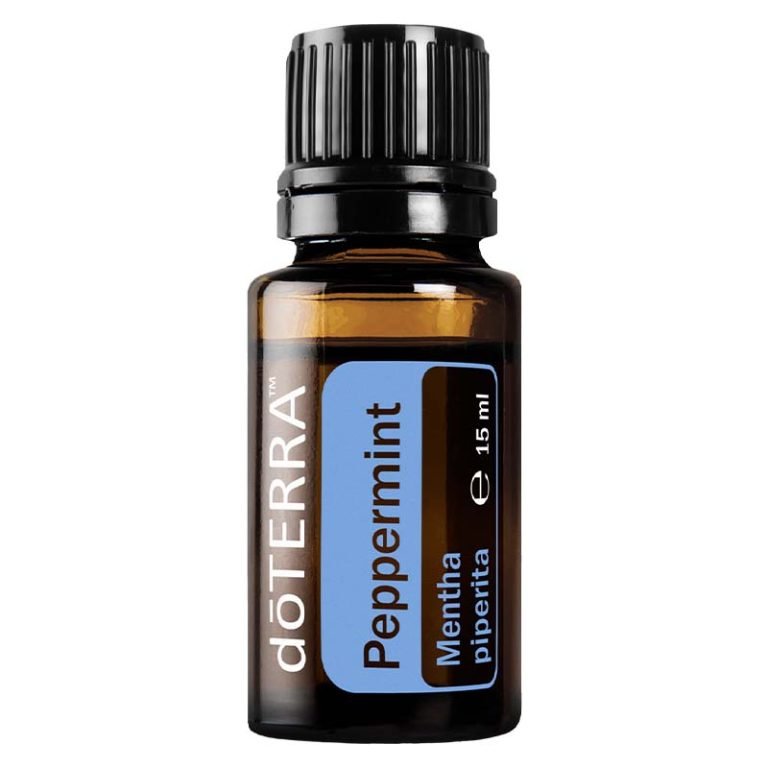
Peppermint has an invigorating scent and a cooling sensation. It contains menthol, which I find very helpful for cooling down tension. Using doTERRA Peppermint Essential Oil is a practical way to address the pressure associated with headaches.
Lavender Oil for Relaxation
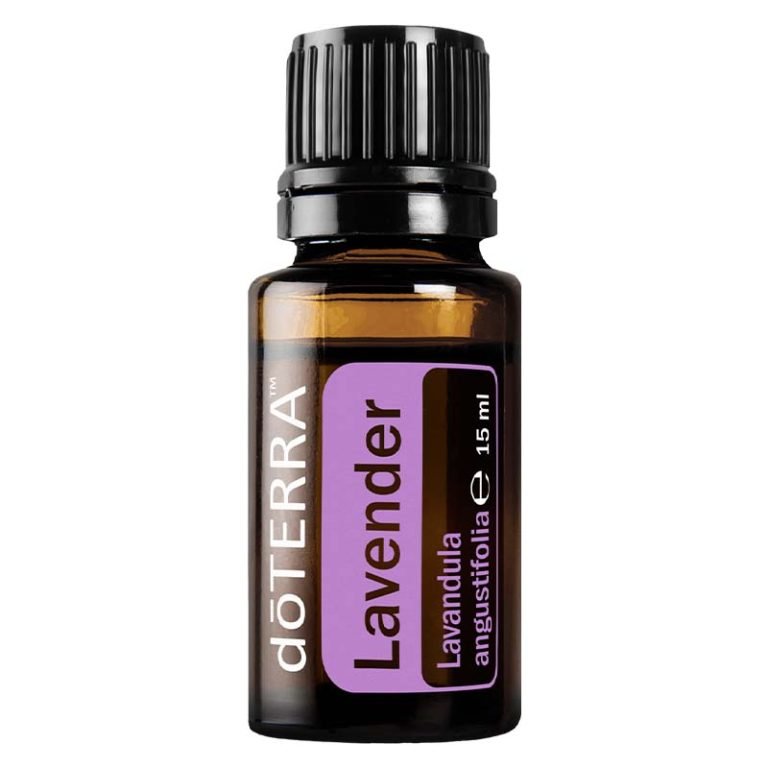
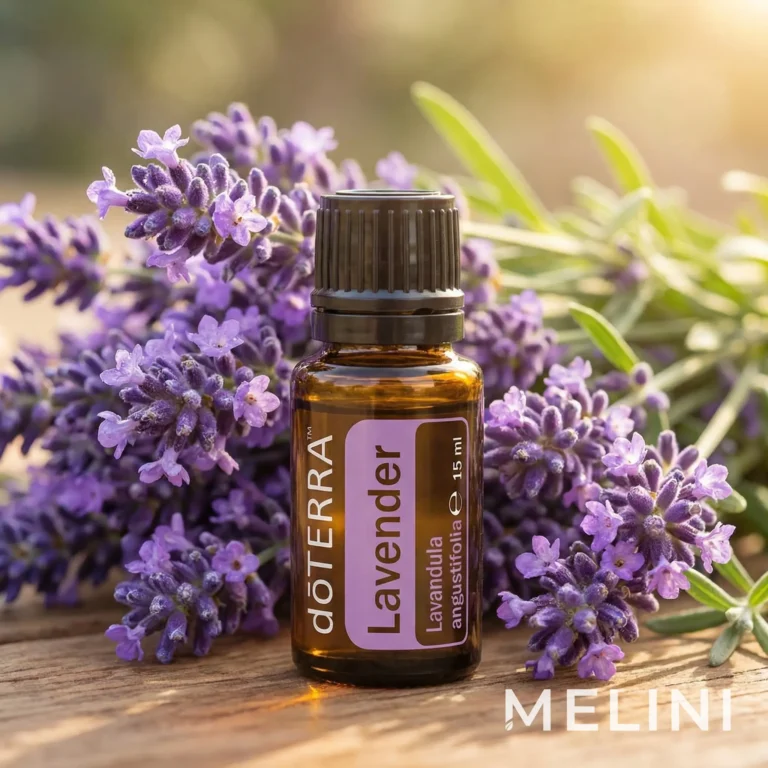
Lavender is my go-to for calming the senses. I find it beneficial for stress-related tension. Incorporating doTERRA Lavender Essential Oil into your routine can promote a necessary sense of peace.
Using Essential Oils for Tension Relief
Consistency is key to results. Using these oils as part of a daily habit helps maintain a more peaceful environment. These are the ones I recommend keeping on hand:
- Peppermint Oil: Its scent is great for cooling tension.
- Lavender Oil: A classic for relaxation and managing mental stress.
- Frankincense Oil: Excellent for grounding yourself when you feel overwhelmed.
Application Methods
Practical application makes all the difference. Try these methods.
1. Aromatherapy Inhalation
- Add a few drops of peppermint or lavender to a bowl of hot water.
- Lean over the bowl and cover your head with a towel.
- Breathe deeply for a few minutes.
2. Topical Application
- Always dilute essential oil with a carrier oil like coconut or jojoba.
- Apply a small amount to your temples or neck.
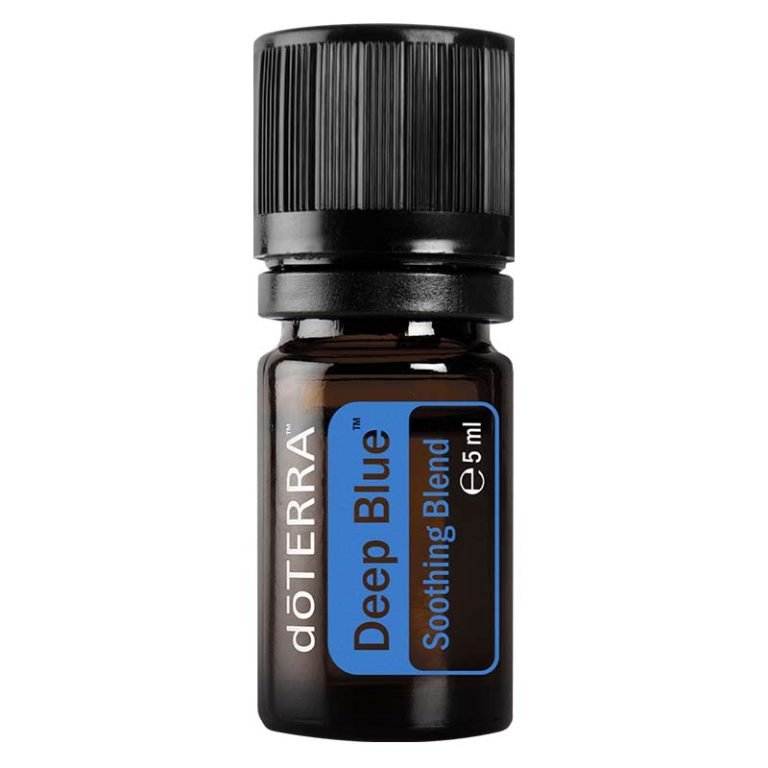
- For targeted support, try doTERRA Deep Blue on sore areas.
Blending Essential Oils
I find that mixing lavender and peppermint offers a great balance. It is a simple way to combine cooling and calming effects.
DIY Headache Relief Blend
- 10 drops of doTERRA Peppermint Essential Oil
- 5 drops of doTERRA Lavender Essential Oil
- 5 drops of carrier oil
- Mix these in a roll-on bottle for easy use throughout your day.
Navigating Essential Oil Use Through India's Seasons and Climates
Living between India, Vietnam, and the USA, I have learned that your environment changes what your body needs. In India, the changing seasons can be tough on your system. Adjusting your routine to the weather is just another form of informed self-care.
Summer Heat (March - June)
The heat can lead to dehydration and irritability. I suggest using doTERRA Peppermint Essential Oil for its cooling menthol. Dilute it and apply it to your neck or temples to feel refreshed. Make sure you are drinking water; I start every morning with 2 drops of Lemon in my water.
Monsoon Humidity (June - September)
The humidity can sometimes affect your breathing and comfort. While peppermint is still great, I find that creating a clear atmosphere helps. Diffusing Eucalyptus Radiata can make a space feel more open. Keep using doTERRA Lavender Essential Oil if the weather shifts are adding to your daily stress.
Winter Chill (October - February)
Dry, cold air can create its own kind of tension. I rely on lavender for relaxation during these months. I also find doTERRA Frankincense Essential Oil very grounding when the air is cold and dry. Remember, consistency in your daily habits is the only way to see lasting results.
Essential Oil Dilution and Safety: A Guide for Indian Users
I have spent over 20 years managing my own eczema and allergies, and I know that safe, consistent application is everything. India’s climate requires extra care for your skin. Diluting your essential oils with a carrier oil prevents irritation. It also helps your skin absorb the oils more effectively.
Choosing Your Carrier Oil
I usually suggest working with oils that are easy to find here. Fractionated Coconut Oil is a staple for me because it is light and scent-free. I also recommend Jojoba Oil for its similarity to our skin's natural oils, or Sweet Almond Oil for extra nourishment. Always source cold-pressed, high-quality carrier oils.
Dilution Guidelines
Consistency is key, but so is safety. I recommend a 2-3% dilution for most adults. Use 0.5-1% for children or if you have sensitive skin. Please check with a healthcare professional before using these on infants. Always remember that results come from consistent action, not high concentrations.
| Dilution % | Essential Oil Drops (per 10ml carrier oil) | Recommended For |
|---|---|---|
| 0.5% | 1-2 drops | Children (6+ years), highly sensitive skin |
| 1% | 2-3 drops | Children (10+ years), sensitive skin, daily use |
| 2% | 4-6 drops | Adults, general daily use |
| 3% | 6-9 drops | Adults, acute discomfort, short-term use |
Patch Testing and General Safety
I always recommend a patch test first. Apply a small amount to your inner forearm and wait 24 hours. Never apply oils directly to your eyes, inner ears, or broken skin. In our warm climate, keep your oils in a cool, dark place to maintain their integrity.
Beyond Peppermint & Lavender: Expanding Your Headache Relief Toolkit
While I often use dōTERRA Peppermint and Lavender, expanding your toolkit is a smart move for long-term support. A broader approach helps you stay resilient.
Introducing Copaiba Essential Oil
I find dōTERRA Copaiba Essential Oil to be an incredibly grounding addition. It offers a gentle, woody aroma that helps me find calm. It works differently than Peppermint, interacting with the endocannabinoid system to soothe tension. You can diffuse it or apply it topically to your temples or neck. I find it very effective for those moments when I need to step back and breathe.
dōTERRA PastTense® Tension Blend
For ease of use, I often reach for dōTERRA PastTense® Tension Blend. It combines Wintergreen, Lavender, Peppermint, Frankincense, Cilantro, Marjoram, Roman Chamomile, Basil, and Rosemary. The pre-diluted roll-on is designed for immediate, targeted use. I keep it in my bag for those busy travel days.
Value and Versatility
Wellness is a long-term investment. Each 15ml bottle contains hundreds of drops, making each application very cost-effective. By layering Copaiba and PastTense with your basics, you build a flexible routine that supports you regardless of where you are.
Crafting Your Proactive Headache & Tension Relief Routine with dōTERRA
I have lived in India, Vietnam, and the USA, and I know that local stressors vary. Whatever your environment, a daily foundation is what creates lasting well-being. My own morning starts with two drops of Lemon in water, and I am a big believer that consistent, small rituals win every time.
Here is what I usually suggest for your routine:
- Morning Uplift: Start fresh. Put 1-2 drops of dōTERRA Peppermint Essential Oil in your palms. Cup them over your nose and breathe deeply. A touch on the back of your neck helps me stay focused before my morning run.
- Mid-Day Stress Buster: When life gets hectic, take a pause. Keep a roll-on with 5 drops of dōTERRA Lavender Essential Oil and 5 drops of dōTERRA Frankincense Essential Oil in 10ml of carrier oil. Apply this to your pulse points to recentre yourself.
- Evening Wind-Down: To support better sleep, I diffuse 3-5 drops of dōTERRA Lavender Essential Oil or dōTERRA Copaiba Essential Oil for half an hour before bed. A gentle foot massage with diluted Lavender is another simple way to let go of the day.
- Weekly Deep Relaxation: I make time for recovery. I add 5-10 drops of Frankincense or Lavender to a warm bath with Epsom salts. Using dōTERRA Deep Blue Rub on your shoulders can also help release the tension that builds up during the week.
Focus on these daily foundations. You are building resilience, not just reacting to a moment.
Frequently Asked Questions
Can essential oils replace medication for severe headaches?
I have spent 20+ years navigating my own eczema, allergies, and inflammation. I have learned that oils are a beautiful tool for daily foundations, but they aren't a replacement for professional medical care. Please don't swap prescribed medication for oils if you are dealing with severe issues.
How often can I use essential oils for headaches?
Consistency is key for results. You can use oils throughout the day as part of your routine. Just stay mindful of how your body responds to them. If you have questions, talk to your doctor.
Are there any risks associated with using essential oils?
Safety is non-negotiable. While these oils are powerful, they can trigger allergic reactions in some people. Always perform a patch test before a full application. Make sure to dilute them properly, just as I suggest in my coaching.
Conclusion
Managing tension is about your daily foundations. Essential oils like peppermint and lavender offer a gentle, soothing way to support your system. These aren't magic bullets, but they are great additions to a well-rounded lifestyle. Incorporate them consistently to feel the difference.
Are doTERRA essential oils safe for children experiencing headaches?
I always advocate for heavy dilution when using oils with children. Check with your pediatrician first. Always perform a patch test. For older children, a very light dilution of Lavender is often my preferred starting point.
Can I use essential oils for headaches if I am pregnant or breastfeeding?
Your health comes first. Please consult your doctor or a qualified professional before starting any new routine while pregnant or breastfeeding. Dilution guidelines are much stricter during these times.
How can I verify the authenticity of doTERRA essential oils purchased in India?
Authenticity matters. I always suggest sourcing your products directly from authorized distributors. Authentic doTERRA bottles carry specific batch codes and testing data. Always check your source.
Can essential oils help with headaches caused by sinus congestion?
When I am running around Hanoi's West Lake, I love the clear scents in the air. While oils don't treat infections, diffusing Peppermint or Eucalyptus can help clear the air and support easier breathing, which can take the edge off head pressure.
Selected research
Head and neck tension is one of the few areas where essential oils have been compared directly with conventional options in controlled studies. Aromatherapy and sleep is one of the better-studied areas, with several meta-analyses pooling dozens of trials.
- Göbel H, Heinze A, Heinze-Kuhn K, et al. (2016). Peppermint oil in the acute treatment of tension-type headache. Der Schmerz. PubMed 27106030
Reviews controlled studies in which a 10% peppermint oil solution applied to the skin performed better than placebo; in Germany such preparations are licensed for tension-type headache in adults and children over 6. - Rafieian-Kopaei M, Hasanpour-Dehkordi A, Lorigooini Z, et al. (2019). Comparing the effect of intranasal lidocaine 4% with peppermint essential oil drop 1.5% on migraine attacks: a double-blind clinical trial. International Journal of Preventive Medicine. PubMed 31404204
In a double-blind trial of 120 adults, nasally applied peppermint oil was associated with reduced reported headache intensity and frequency. - Sasannejad P, Saeedi M, Shoeibi A, et al. (2012). Lavender essential oil in the treatment of migraine headache: a placebo-controlled clinical trial. European Neurology. PubMed 22517298
In a placebo-controlled trial with 47 participants, inhaled lavender was associated with a greater reduction in reported headache severity than placebo. - Her J, Cho MK. (2021). Effect of aromatherapy on sleep quality of adults and elderly people: a systematic literature review and meta-analysis. Complementary Therapies in Medicine. PubMed 34166869
Combined 30 studies and found a statistically significant overall association between aromatherapy and better reported sleep quality.
These studies are shared so you can read the original research yourself. They describe what researchers observed under specific conditions — they are not a treatment recommendation, and they do not describe any specific product. Always consult a qualified healthcare professional about your own situation.
Recommended Products
Related articles
Essential Oils for Stress and Anxiety Relief
Top Essential Oils for Focus and Productivity in Your Home Office
Essential Oils for an Evening Aroma Routine
dōTERRA Kits in India: Beginner's Guide to Choosing Your Essential Oils
Was this article helpful?

Written by
Pete — Nourished by Pete
After struggling for more than 20 years with eczema, allergies and health challenges no doctor could fully explain, Pete found his answers in the foundations of health. Today he helps people create simple, sustainable changes that improve energy, sleep, digestion, stress resilience and overall wellbeing.