
Lemongrass grows all over India and most of us know its smell from a cup of chai or a pot of Thai-style soup. The essential oil is something else: a strong, bright, lemony-grassy oil that only needs a drop or two. Here is what Indian Lemongrass oil is and the simple ways I would use it at home.
Quick answer
Indian Lemongrass oil is steam-distilled from the grass of Cymbopogon flexuosus, a lemongrass species native to India. It has a fresh, citrus-grassy aroma. Its main uses at home are in a diffuser (2–3 drops), in a cleaning spray (10 drops per 250 ml), and diluted in a massage oil at a low 0.5% (1 drop in 2 teaspoons of carrier oil). It is strong, so keep skin use low and patch-test first.
What makes Indian Lemongrass different?
There are two main lemongrass species used for essential oil. West Indian lemongrass (Cymbopogon citratus) is the one in most kitchen gardens. East Indian lemongrass (Cymbopogon flexuosus), often called Indian Lemongrass, is grown widely in Kerala and other parts of South India for its oil. Both are rich in citral, the compound behind the lemony scent.
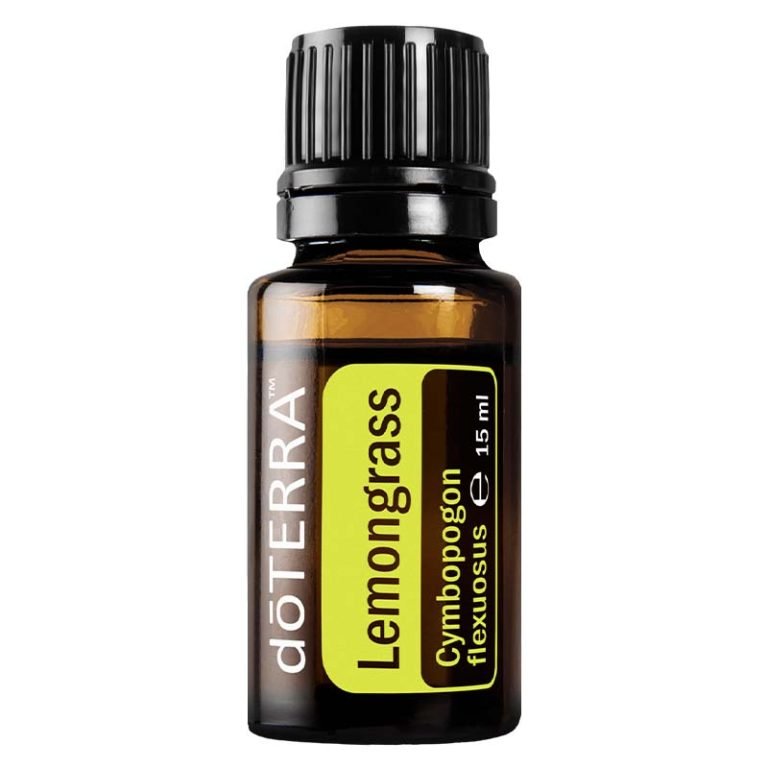
dōTERRA sources its Indian Lemongrass from India, which makes it one of the oils with a genuinely local story. For more on the plant and its relatives, see our lemongrass oil hub.
Benefits of lemongrass oil in daily life
- A bright, uplifting aroma that makes a room feel fresh in the morning or after cooking.
- A natural scent for cleaning, instead of synthetic “lemon” fragrance.
- A refreshing massage oil for tired legs and feet, when kept at a low dilution.
- Easy to blend: it pairs well with Lavender, Lemon, Peppermint and Wild Orange.
Uses of lemongrass oil at home
1. Diffuser
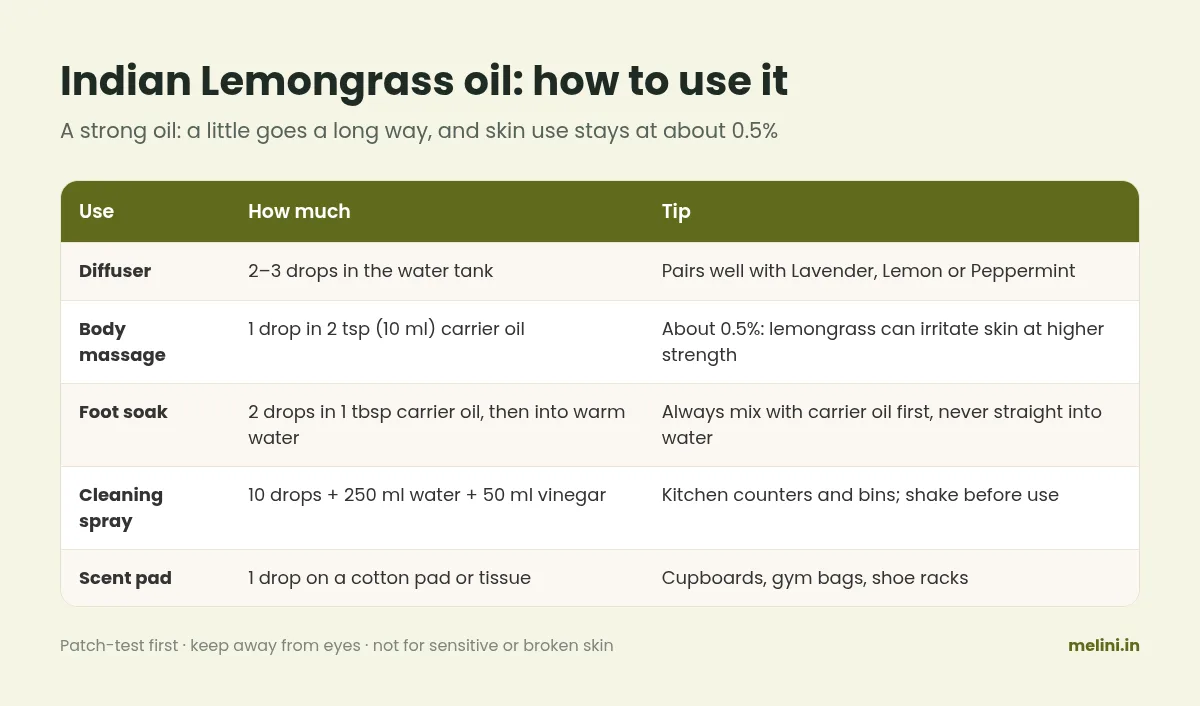
Add 2–3 drops to the water in an ultrasonic diffuser. Lemongrass is strong, so start low. Three easy blends:
- Morning fresh: 2 Lemongrass + 2 Lemon
- Calm and clean: 1 Lemongrass + 3 Lavender
- Kitchen reset: 2 Lemongrass + 2 Peppermint
Find more ideas in our diffuser blends for every mood.
2. Gentle massage oil
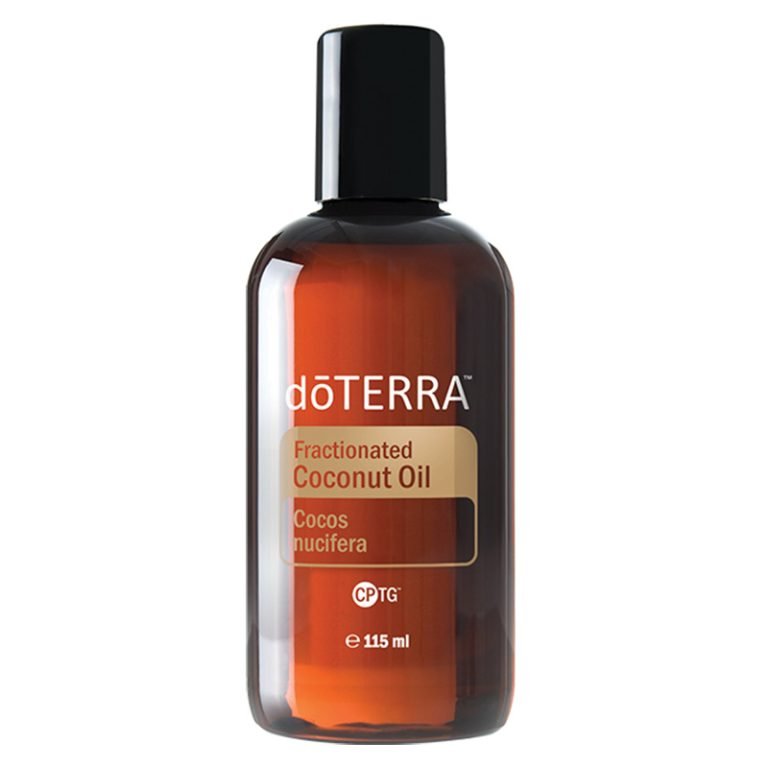
Lemongrass can irritate skin at higher strengths because of its citral content. Keep it at about 0.5%: 1 drop in 2 teaspoons (10 ml) of carrier oil, such as Fractionated Coconut Oil. Use it on legs, feet or shoulders, not on the face. Patch-test on your inner forearm for 24 hours first.
3. Foot soak
Mix 2 drops of lemongrass into 1 tablespoon of carrier oil, then stir it into a basin of warm water. Never drop essential oil straight into water: it floats on top and touches the skin undiluted.
4. Cleaning spray
In a spray bottle, mix 250 ml of water, 50 ml of white vinegar and 10 drops of lemongrass oil. Shake before each use. It works well on kitchen counters, bins and tiles, and leaves a fresh lemony smell. Do not use vinegar on marble or granite.
5. Scent pads
Put 1 drop on a cotton pad or tissue and tuck it into a cupboard, a gym bag or a shoe rack.
Safety
- Keep skin use at around 0.5%, and do not use it on the face, sensitive or broken skin.
- Patch-test every new blend.
- Keep it away from the eyes and out of reach of children.
- Do not swallow it.
- Ask your doctor first if you are pregnant, breastfeeding or under medical care.
- Store the bottle tightly closed, away from heat and light.
For a full chart, see our dilution guide.
Frequently Asked Questions
What are the main uses of lemongrass oil?
At home it is used in a diffuser for a fresh aroma, in homemade cleaning sprays, and diluted to about 0.5% in massage oil for legs and feet.
Is Indian Lemongrass the same as regular lemongrass?
They are close relatives. Indian Lemongrass is Cymbopogon flexuosus; the common kitchen lemongrass is Cymbopogon citratus. Both have a lemony, grassy scent.
Can I apply lemongrass oil directly on my skin?
No. It is a strong oil. Dilute it to about 0.5%, which is 1 drop in 2 teaspoons of carrier oil, and patch-test first.
How many drops of lemongrass oil in a diffuser?
2–3 drops are enough. It is strong, so start low and add more next time if you want.
What blends well with lemongrass oil?
Lavender, Lemon, Peppermint and Wild Orange are easy partners.
Disclaimer: This information is for educational purposes only and is not medical advice. Consult a healthcare professional before using essential oils if you are pregnant, breastfeeding or under medical care. dōTERRA products are not intended to diagnose, treat, cure, or prevent any disease.
Recommended Products
Related articles
Essential Oils for Seasonal Comfort at Home
Eucalyptus and Respiratory-Support Essential Oils Explained
Top Essential Oils for Stress and Anxiety Relief
Uplifting Citrus Essential Oils for Energy and Mood
Was this article helpful?

Written by
Pete — Nourished by Pete
After struggling for more than 20 years with eczema, allergies and health challenges no doctor could fully explain, Pete found his answers in the foundations of health. Today he helps people create simple, sustainable changes that improve energy, sleep, digestion, stress resilience and overall wellbeing.