
Tea tree oil is a favourite for oily skin routines in India because of its clean, fresh scent and light feel. The question I see most is how to actually use it on the face without overdoing it. Here are two small-batch recipes that keep the amount of tea tree low and sensible: a toner and an aloe vera gel.
Quick answer
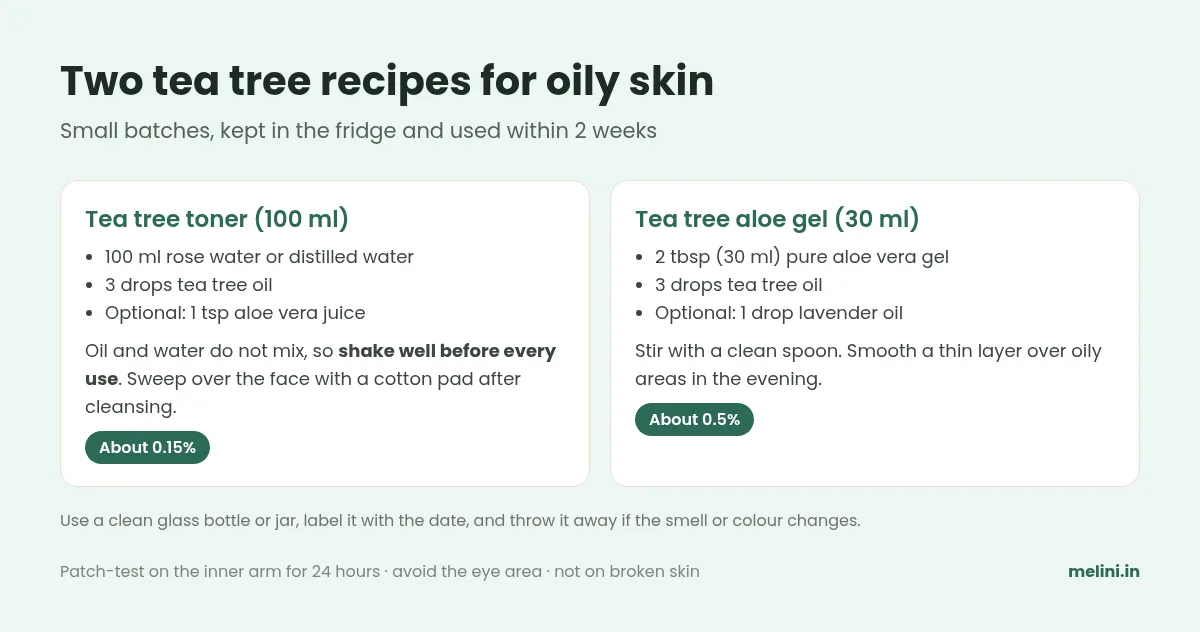
For a toner, mix 3 drops of tea tree oil into 100 ml of rose water and shake before every use. For a gel, stir 3 drops of tea tree oil into 2 tablespoons (30 ml) of pure aloe vera gel. Keep both in the fridge, use them within 2 weeks, keep away from the eyes, and patch-test first.
Why tea tree for oily skin?
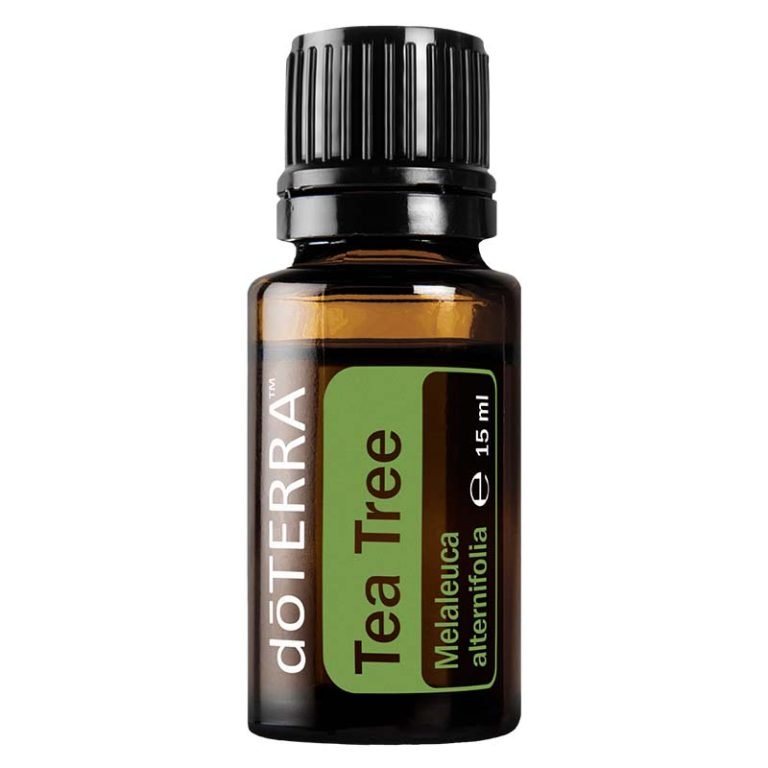
Tea tree (Melaleuca alternifolia) oil is steam-distilled from the leaves of an Australian tree. It has a fresh, medicinal-green aroma and is a common ingredient in cleansing and toning products for oily and combination skin. Used in small amounts, it makes a toner or gel feel clean and refreshing. You can read more in our tea tree oil guide and on the tea tree oil hub.
Recipe 1: Tea tree oil toner with rose water
You need:
- 100 ml rose water (or distilled water)
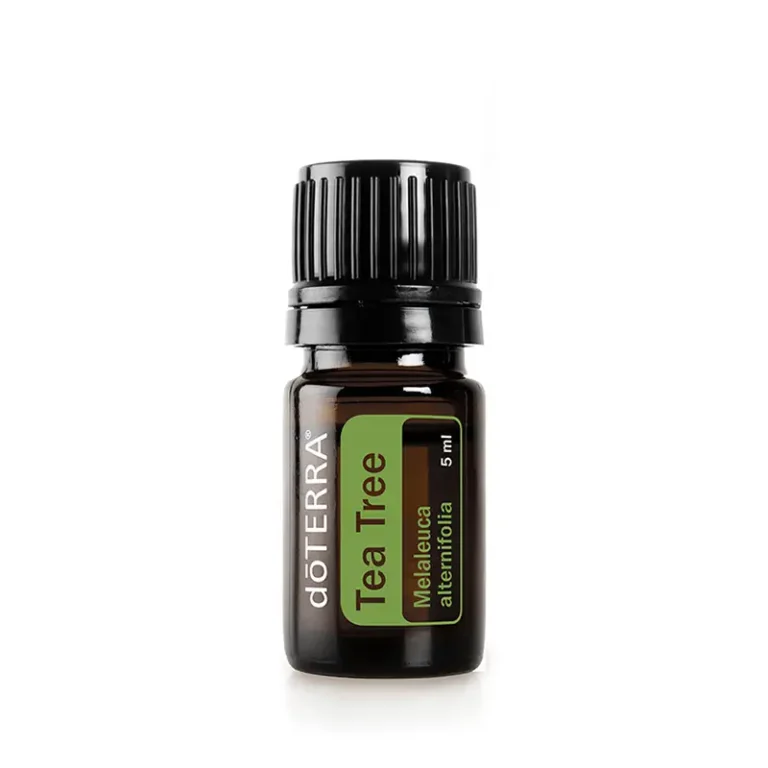
- 3 drops tea tree oil
- Optional: 1 teaspoon aloe vera juice
- A clean glass or PET spray or flip-top bottle
Method: pour the rose water into the bottle, add the tea tree oil and the aloe juice if you use it, close and shake well. That is about a 0.15% blend, which is gentle enough for a daily toner.
Important: essential oils do not dissolve in water. The drops float on top, so you must shake the bottle well before every single use. Otherwise the first few uses get almost all the oil.
How to use: after cleansing, shake, wet a cotton pad and sweep it over the T-zone and cheeks, avoiding the eye area. Follow with your moisturiser. Once a day is enough.
Recipe 2: Tea tree oil with aloe vera gel
You need:
- 2 tablespoons (30 ml) pure aloe vera gel (fresh from the leaf or a plain store-bought gel)
- 3 drops tea tree oil
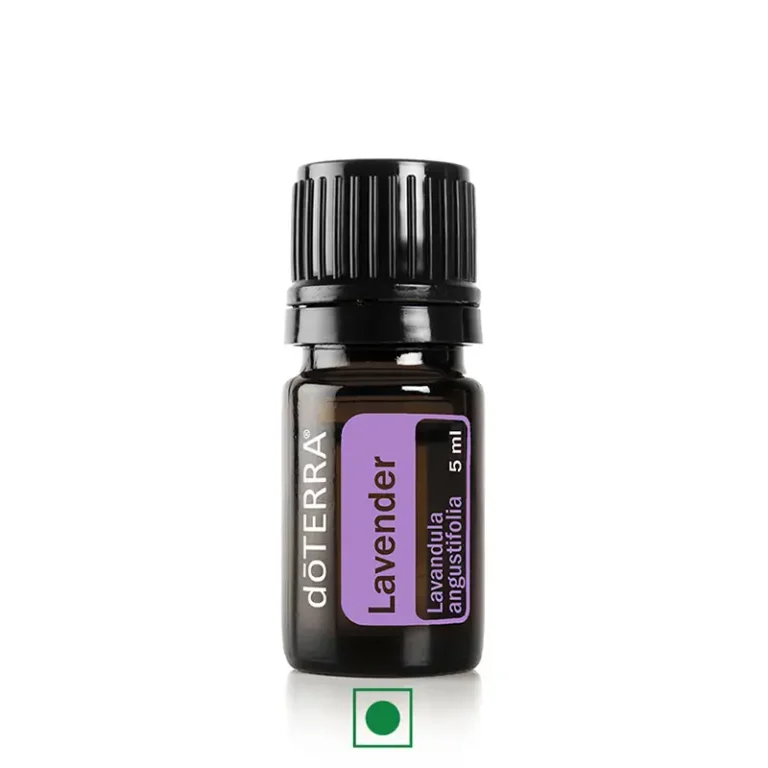
- Optional: 1 drop lavender oil for a softer scent
- A small clean glass jar
Method: put the gel in the jar, add the drops and stir well with a clean spoon. That is about a 0.5% blend.
How to use: in the evening, smooth a thin layer over oily areas of clean skin. Let it absorb. Use a clean spoon or spatula each time instead of your fingers.
How to use tea tree oil on the face safely
- Never use it undiluted on the face. Neat tea tree oil can dry out and irritate skin.
- Keep the face blend at or below 1%. These recipes are 0.15% and 0.5%.
- Patch-test first: apply a little to the inner forearm and wait 24 hours.
- Avoid the eye area, and do not use it on broken or irritated skin.
- Use fresh tea tree oil. Old, oxidised tea tree is more likely to irritate skin. Keep the bottle closed and away from heat.
- Stop if you notice redness, stinging or itching.
Storage
Both recipes contain water-based ingredients and no preservative, so treat them like fresh food. Keep them in the fridge, write the date on the bottle, and throw them away after 2 weeks, or sooner if the smell or colour changes. Making small batches is the safest way.
Other ways to use tea tree oil for face care
- Moisturiser drop: add 1 drop of tea tree to a palmful of oil-free moisturiser, not the whole jar.
- Face oil: 1 drop in 1 teaspoon (5 ml) jojoba oil, a 1% blend for oily or combination skin.
- Clay mask: mix 1 drop into a single-use multani mitti or clay mask.
For more ratios, see our carrier oil dilution chart.
Frequently Asked Questions
Can I mix tea tree oil with rose water as a toner?
Yes. Use 3 drops in 100 ml of rose water and shake well before each use, because oil and water separate.
How do I use tea tree oil on my face?
Always diluted: in a toner, an aloe gel or a carrier oil, at 1% or less. Patch-test first and keep it away from the eyes.
Can I mix tea tree oil with aloe vera gel?
Yes. 3 drops in 2 tablespoons (30 ml) of aloe vera gel gives about a 0.5% blend for evening use.
How long does a homemade tea tree toner last?
Up to 2 weeks in the fridge. Throw it away sooner if the smell or colour changes.
Can I put tea tree oil directly on my skin?
It is better not to. Undiluted tea tree oil can dry out and irritate the skin, especially on the face.
Disclaimer: This information is for educational purposes only and is not medical advice. Consult a healthcare professional before using essential oils if you are pregnant, breastfeeding or under medical care. dōTERRA products are not intended to diagnose, treat, cure, or prevent any disease.
Recommended Products
Related articles
Was this article helpful?

Written by
Pete — Nourished by Pete
After struggling for more than 20 years with eczema, allergies and health challenges no doctor could fully explain, Pete found his answers in the foundations of health. Today he helps people create simple, sustainable changes that improve energy, sleep, digestion, stress resilience and overall wellbeing.