

Rosemary oil is one of the most searched hair-care oils in India right now. Most of the questions are practical: how many drops, mixed with what, and how often. This guide answers exactly that, with a routine you can follow on a Sunday morning without any special tools.
Quick answer
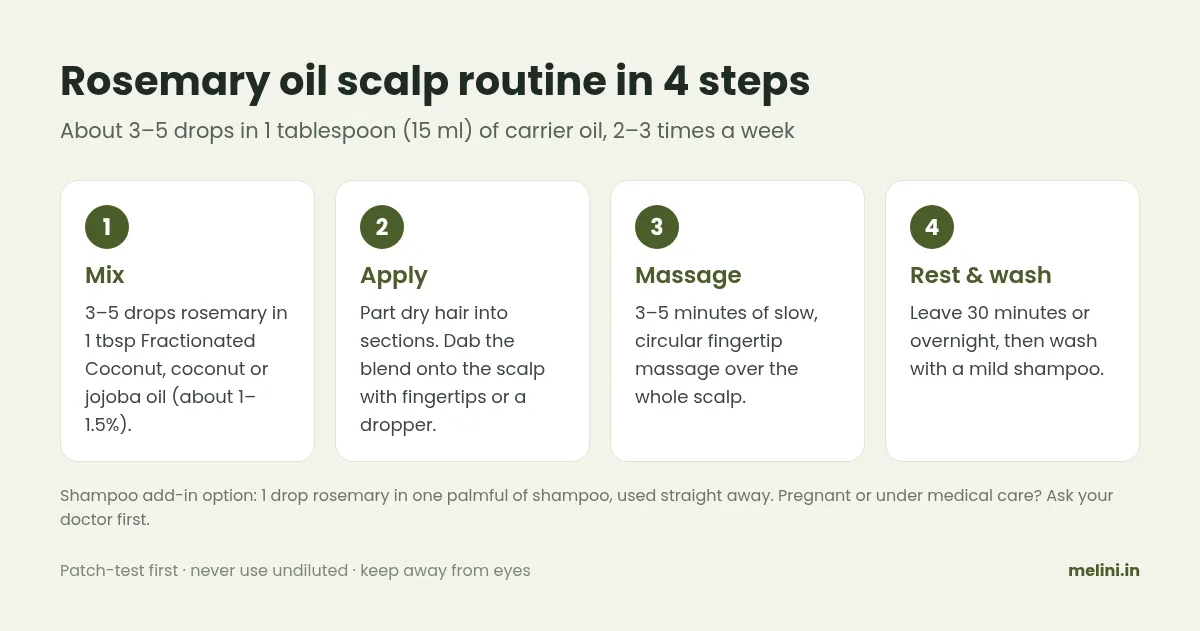
Mix 3–5 drops of rosemary essential oil into 1 tablespoon (15 ml) of a carrier oil such as Fractionated Coconut Oil, coconut oil or jojoba. Part your hair, apply the blend to the scalp, massage for 3–5 minutes, leave it on for 30 minutes or overnight, then wash with a mild shampoo. Do this 2–3 times a week. Never apply rosemary oil undiluted.
What rosemary oil can and cannot do
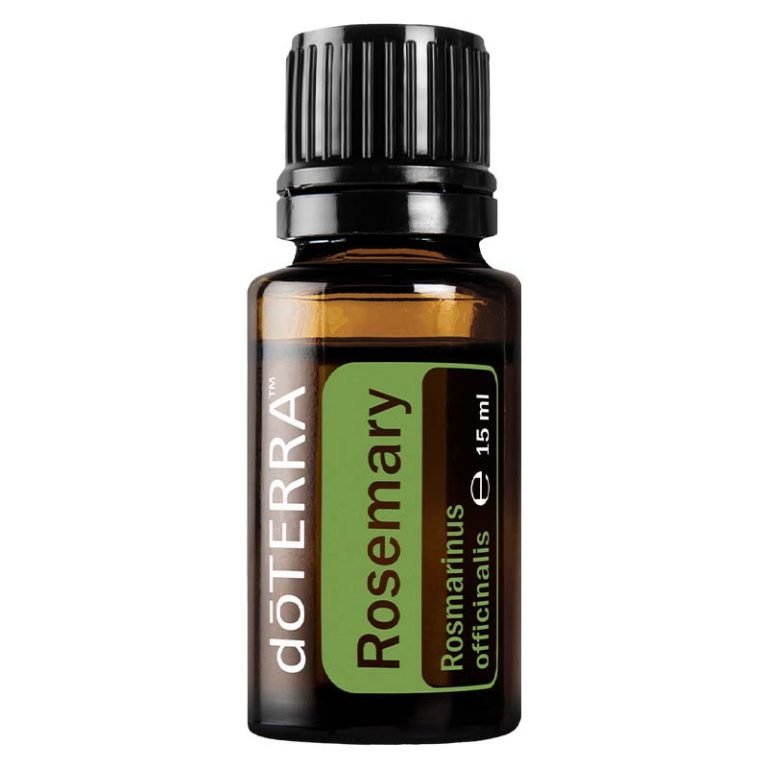
Rosemary essential oil is steam-distilled from the leaves and flowering tops of the rosemary plant. It has a fresh, herbal, slightly camphor-like aroma. In a hair routine it gives you a pleasant scalp massage oil with a clean scent, and the massage itself is a good habit for scalp care.
You will see big promises online about rosemary oil and hair growth. I do not make those promises. Hair depends on genetics, diet, hormones and health, and if you are worried about hair fall, the right first step is a dermatologist. Think of rosemary oil as part of a calm, regular routine, not a cure.
How many drops of rosemary oil for hair?
Use this simple chart. Remember: 1 ml is about 20 drops.
| Carrier oil | Rosemary drops | Strength |
|---|---|---|
| 1 tsp (5 ml) | 1 drop | about 1% |
| 1 tbsp (15 ml) | 3–5 drops | about 1–1.5% |
| 30 ml bottle | 6–9 drops | about 1–1.5% |
| 100 ml bottle | 20–30 drops | about 1–1.5% |
More is not better. A stronger blend does not work faster, but it is more likely to irritate the scalp.
Which carrier oil to use
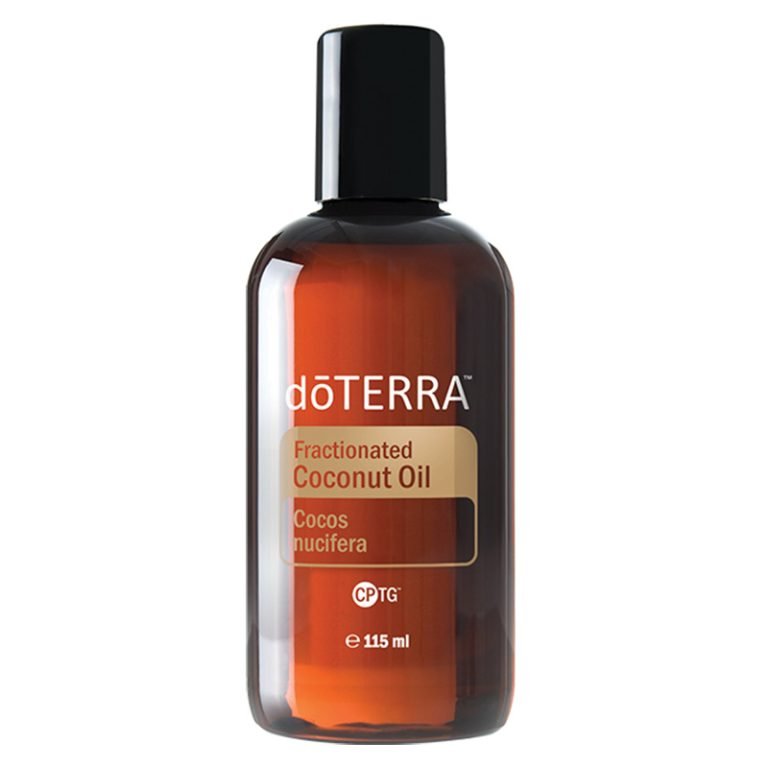
- Fractionated Coconut Oil: light, odourless and easy to wash out. Good for oily scalps.
- Coconut oil: the classic Indian hair oil. It solidifies in winter, so warm the bottle in your hands first.
- Jojoba oil: light and close to the skin’s own oils.
- Sweet almond oil: richer, good for dry hair (avoid with a nut allergy).
For more detail, read our carrier oil dilution chart.
The 4-step routine
- Mix: 3–5 drops of rosemary in 1 tablespoon of carrier oil in a small bowl or a dropper bottle.
- Apply: part dry hair into 4–6 sections. Apply the blend along each parting with your fingertips or a dropper.
- Massage: use the pads of your fingers, not the nails, in slow circles for 3–5 minutes across the whole scalp.
- Rest and wash: leave it on for at least 30 minutes, or overnight with an old towel on the pillow. Wash with a mild shampoo; you may need two rounds.
Two or three times a week is enough. Consistency matters more than strength.
Other ways to add rosemary to your routine
- Shampoo add-in: put one palmful of shampoo in your hand, add 1 drop of rosemary, lather and rinse. Do not add oil to the whole shampoo bottle.
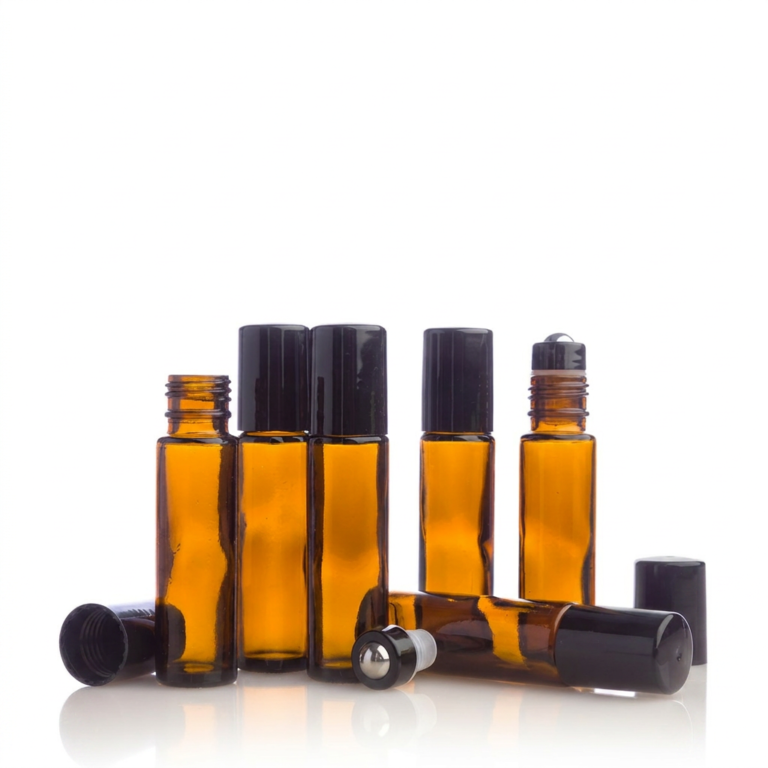
- Ready-made hair oil: make 30 ml at a time (6–9 drops) in an amber dropper bottle, and use it within 2–3 months.
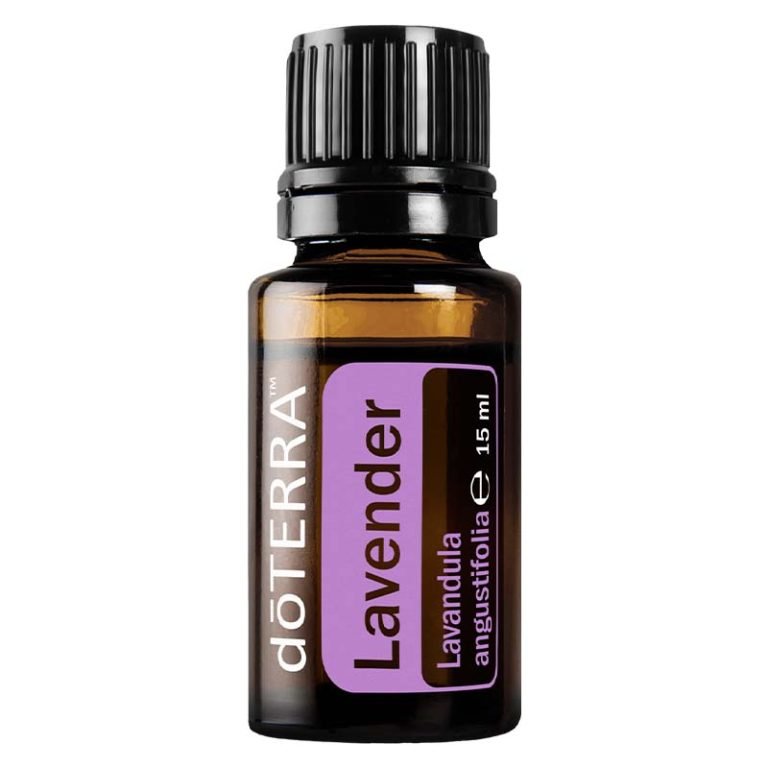
- With other oils: rosemary blends well with Lavender or Peppermint. Keep the total at 3–5 drops per tablespoon.
Safety
- Patch-test the blend on your inner forearm for 24 hours first.
- Keep it away from the eyes. Rinse with plain carrier oil if it drips, not water.
- Avoid during pregnancy, and ask your doctor first if you have epilepsy or high blood pressure, or are under medical care.
- Not for children under 6.
- Stop using it if your scalp becomes red, itchy or flaky.
Read more about the oil in our rosemary essential oil guide and on the rosemary oil hub.
Frequently Asked Questions
How many drops of rosemary oil should I mix with hair oil?
3–5 drops per tablespoon (15 ml) of carrier oil, or 20–30 drops per 100 ml. That is about a 1–1.5% blend.
Can I apply rosemary oil directly to my scalp?
No. Always mix it with a carrier oil first. Undiluted rosemary oil can irritate the scalp.
How long should I leave rosemary oil in my hair?
At least 30 minutes. Many people leave it overnight and wash it out in the morning.
How often should I use rosemary oil on my hair?
Two or three times a week is enough for a regular routine.
Can I mix rosemary oil with coconut oil?
Yes. Coconut oil and Fractionated Coconut Oil both work. Use 3–5 drops per tablespoon.
Disclaimer: This information is for educational purposes only and is not medical advice. Consult a healthcare professional before using essential oils if you are pregnant, breastfeeding or under medical care. dōTERRA products are not intended to diagnose, treat, cure, or prevent any disease.
Recommended Products
Related articles
Carrier Oil for Tea Tree Oil (plus Rosemary, Peppermint and Eucalyptus): Dilution Chart

Lavender Oil for Skin and Hair: How to Use It
Carrier Oils Explained: Choosing for Essential Oils

Eucalyptus Oil Uses at Home: Skin, Hair, Mehndi & Cleaning
Was this article helpful?

Written by
Pete — Nourished by Pete
After struggling for more than 20 years with eczema, allergies and health challenges no doctor could fully explain, Pete found his answers in the foundations of health. Today he helps people create simple, sustainable changes that improve energy, sleep, digestion, stress resilience and overall wellbeing.