
If you only keep one essential oil at home, it is often lavender. Most people start with it in a diffuser, but lavender also fits easily into a skin and hair routine. In this guide I cover how to use lavender oil on the face, body and hair, how much to use, and the few rules that keep it gentle.
Quick answer
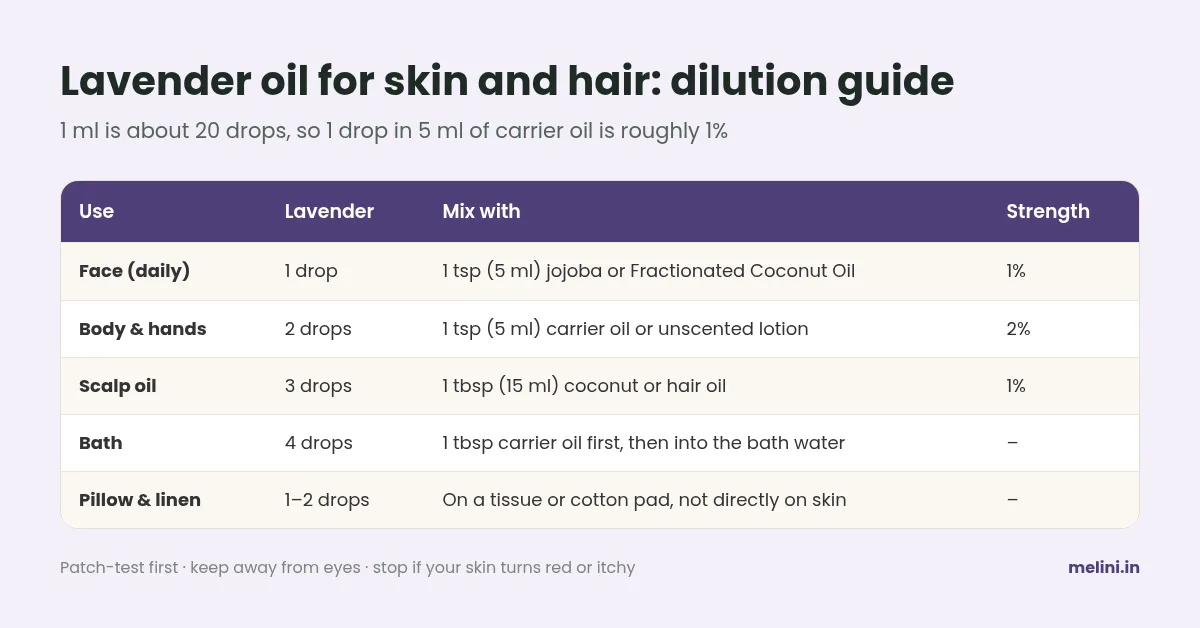
For the face, mix 1 drop of lavender oil into 1 teaspoon (5 ml) of carrier oil (1%). For the body, use 2 drops per teaspoon (2%). For the scalp, add 3 drops to 1 tablespoon (15 ml) of coconut or hair oil. Lavender is one of the gentler essential oils, but still dilute it, patch-test first and keep it away from the eyes.
Why lavender for skin and hair?
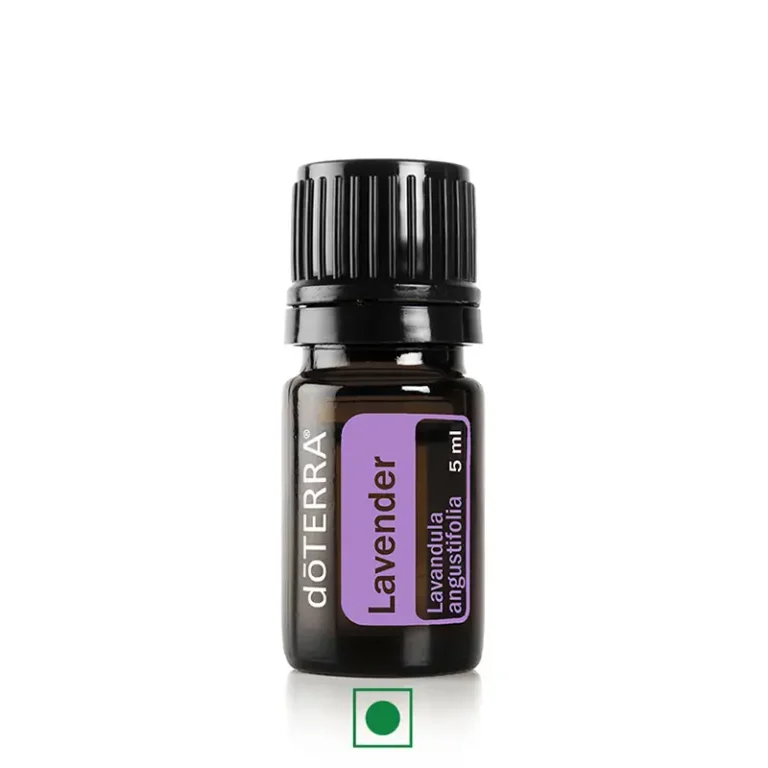
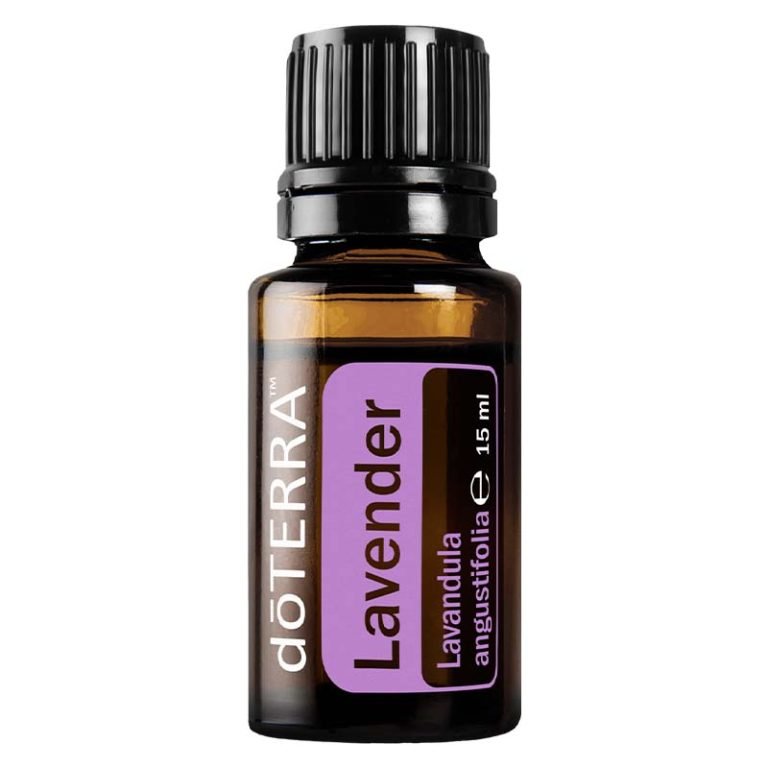
Lavender (Lavandula angustifolia) oil is steam-distilled from the flowering tops of the plant. Its soft, floral, slightly herbal aroma is calming to smell, and it feels light on the skin when diluted. That is why it is a common ingredient in face oils, body lotions, hair oils and bath products. For the full profile, read our lavender essential oil guide or the lavender oil hub.
Lavender oil for the face
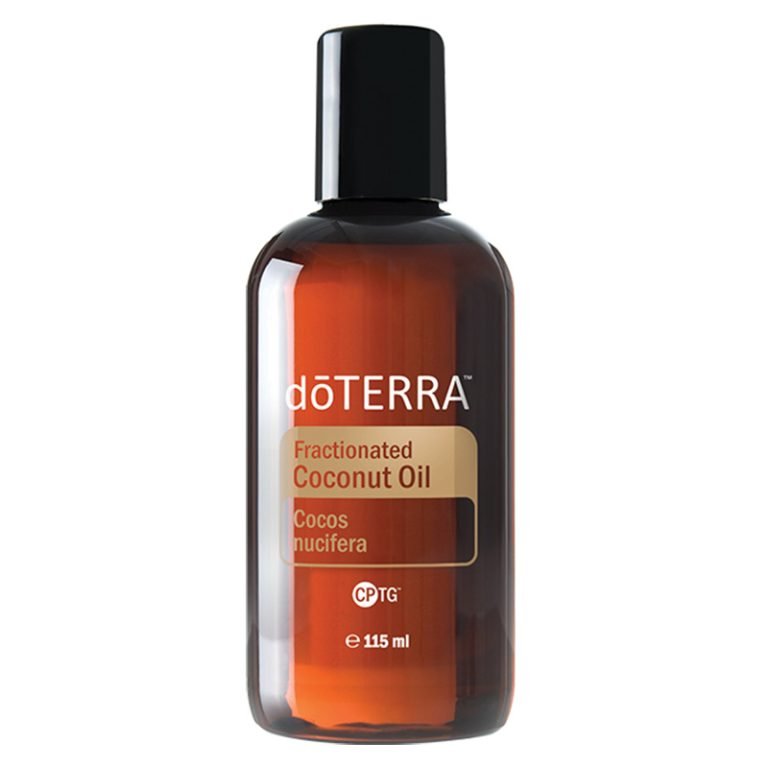
Simple nightly face oil: in a small dropper bottle, mix 1 drop of lavender into 1 teaspoon (5 ml) of jojoba oil or Fractionated Coconut Oil. After cleansing, warm 3–4 drops of this blend between your fingertips and press it into the skin. That is a 1% blend, which is right for daily face use.
Moisturiser boost: add 1 drop of lavender to one palmful of unscented moisturiser, not the whole jar.
Keep lavender away from the eye area, and stop if you notice redness or itching.
Lavender oil for the body
- Body oil: 2 drops per teaspoon (5 ml) of carrier oil, a 2% blend. Massage into arms, legs and shoulders after a bath, when the skin is still slightly damp.
- Hand care: 2 drops in a small dollop of unscented hand cream.
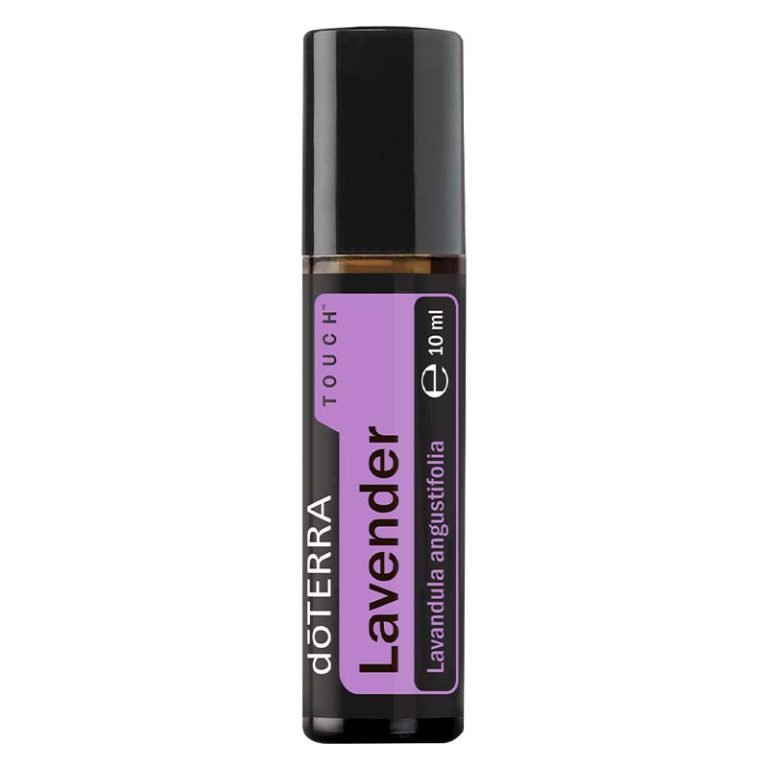
- Ready-made: dōTERRA Lavender Touch is already diluted in Fractionated Coconut Oil in a roller bottle, so you can roll it onto wrists and the back of the neck without measuring.
Lavender oil for hair
Lavender essential oil for hair is mostly about a pleasant scalp ritual and a soft scent.
- Scalp oil: 3 drops in 1 tablespoon (15 ml) of coconut or your usual hair oil. Massage into the scalp for a few minutes, leave for 30 minutes or overnight, then wash.
- With rosemary: 2 drops lavender + 2 drops rosemary in 1 tablespoon of carrier oil. See our rosemary oil hair routine.
- Brush tip: put 1 drop of lavender on the bristles of a clean wooden brush and brush dry hair for a light scent.
- Shampoo: add 1 drop to a palmful of shampoo, not to the whole bottle.
I do not promise that lavender will grow or thicken hair. If you have hair fall or scalp problems, see a dermatologist.
Bath and bedtime rituals
- Bath: mix 4 drops of lavender into 1 tablespoon of carrier oil first, then add it to the bath water. Oil does not dissolve in water.
- Bucket bath: mix 2 drops into a teaspoon of carrier oil and stir it into the bucket.
- Pillow: put 1–2 drops on a tissue or cotton pad near your pillow, not directly on the skin or the pillowcase.
Safety
- Always dilute before skin use: 1% for the face, 2% for the body.
- Patch-test on the inner forearm for 24 hours.
- Keep away from the eyes and inside of the ears.
- For children, use half the adult amount and ask your doctor for babies.
- Ask your doctor first if you are pregnant, breastfeeding or under medical care.
Frequently Asked Questions
Can I apply lavender oil directly on my face?
It is better to dilute it. Mix 1 drop in 1 teaspoon of carrier oil for a 1% face oil, and patch-test first.
How do I use lavender oil for hair?
Add 3 drops to 1 tablespoon of coconut or hair oil, massage into the scalp, and wash out after 30 minutes or the next morning.
Is lavender oil good for skin?
Diluted lavender oil is one of the gentler essential oils for skin care and is widely used in face and body oils. Patch-test before regular use.
Can I mix lavender oil with my moisturiser?
Yes. Add 1 drop to one palmful of unscented moisturiser each time, rather than to the whole jar.
How many drops of lavender oil in a bath?
About 4 drops, mixed into 1 tablespoon of carrier oil before adding to the bath.
Disclaimer: This information is for educational purposes only and is not medical advice. Consult a healthcare professional before using essential oils if you are pregnant, breastfeeding or under medical care. dōTERRA products are not intended to diagnose, treat, cure, or prevent any disease.
Recommended Products
Related articles
How to Use Rosemary Oil for Hair: Drops, Dilution & Routine
Carrier Oil for Tea Tree Oil (plus Rosemary, Peppermint and Eucalyptus): Dilution Chart
Carrier Oils Explained: Choosing for Essential Oils
Eucalyptus Oil Uses at Home: Skin, Hair, Mehndi & Cleaning
Was this article helpful?

Written by
Pete — Nourished by Pete
After struggling for more than 20 years with eczema, allergies and health challenges no doctor could fully explain, Pete found his answers in the foundations of health. Today he helps people create simple, sustainable changes that improve energy, sleep, digestion, stress resilience and overall wellbeing.