
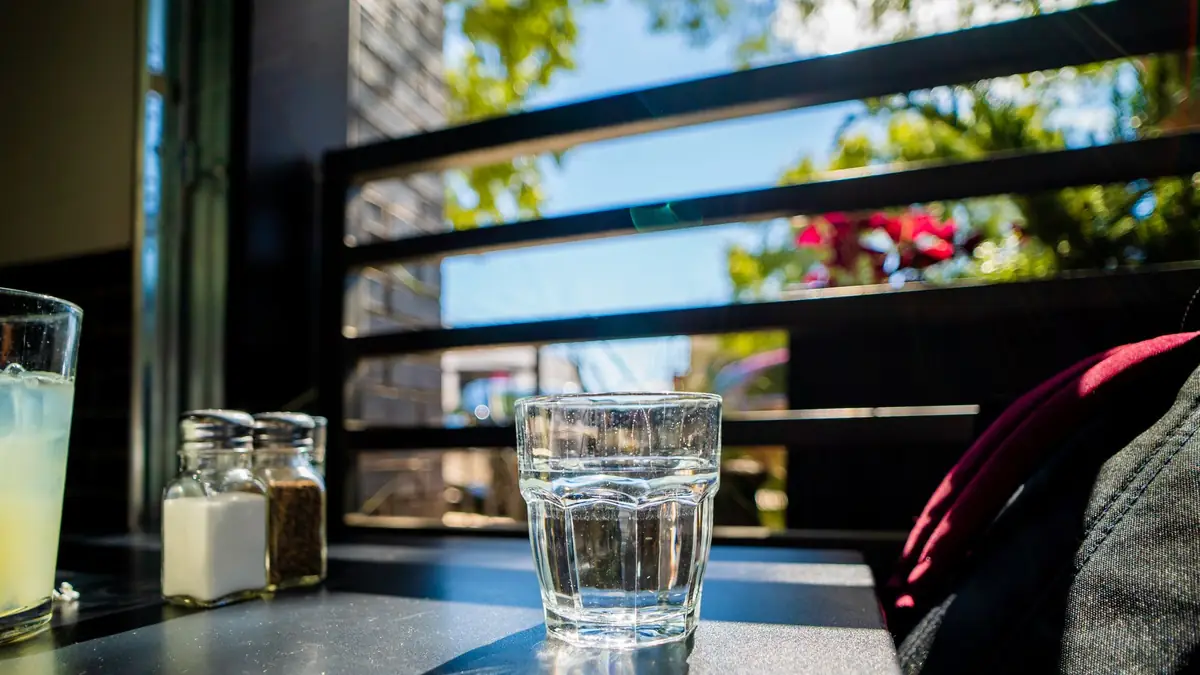
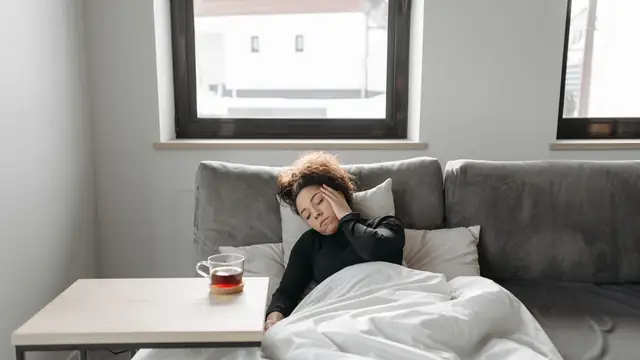
In short: a hangover is the body's reaction to too much alcohol: thirst, headache, tiredness, nausea, poor sleep and low mood the next day. There is no proven quick cure. Your body needs time, usually up to 24 hours, to clear alcohol and its by-products. What you can do is support it with fluids, food and rest, and plan ahead before the next celebration. I want to be honest here: the only sure way to avoid a hangover is to drink less.
Why hangovers happen
- Fluid loss. Alcohol makes you pass more urine, so you lose water and salts.
- Poor sleep. Alcohol may make you fall asleep faster, but sleep later in the night is lighter and broken.
- Irritated stomach. Alcohol increases stomach acid and can cause nausea.
- Low blood sugar, especially if you drank without eating.
- By-products of alcohol such as acetaldehyde, which the liver breaks down over several hours.
- Congeners, compounds found in larger amounts in darker drinks such as whisky, rum and red wine.
What helps the morning after: step by step
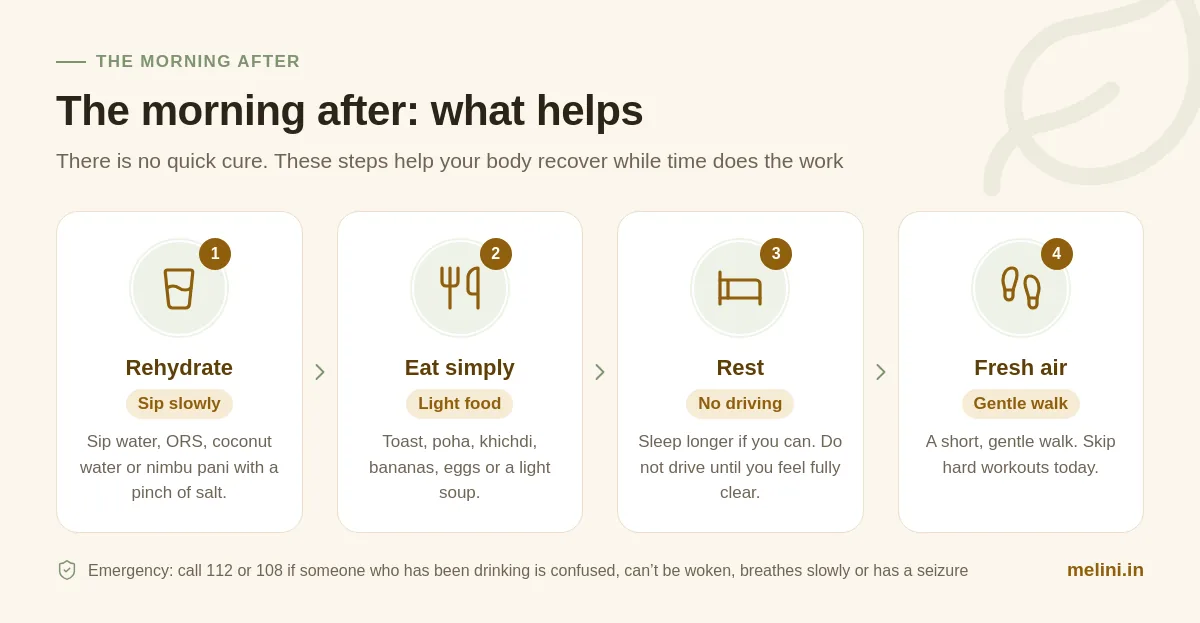
- Rehydrate slowly. Sip water steadily. An oral rehydration solution (ORS), coconut water or nimbu pani with a pinch of salt also replaces lost salts.
- Eat something simple. Toast, poha, khichdi, bananas, eggs or a light soup bring blood sugar back up and are easy on the stomach.
- Rest. Sleep longer if you can, and keep the day light. Do not drive until you feel completely clear.
- Get fresh air and gentle movement. A short walk outdoors can help you feel more awake. Skip hard workouts today.
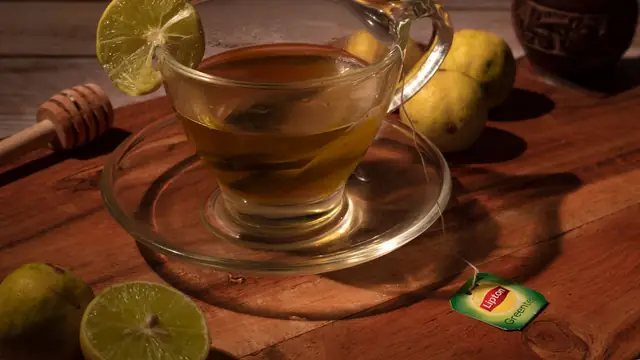
- Go easy on caffeine. A small cup of tea or coffee is fine if you normally drink it, but it will not sober you up or replace water.
- Be careful with painkillers. Ask a pharmacist before taking anything. Paracetamol together with recent heavy drinking puts extra strain on the liver, and ibuprofen or aspirin can irritate an already upset stomach.
- Skip "hair of the dog". Drinking more alcohol only delays the hangover and adds to the load on your body.
Before the next party: how to reduce the risk
- Eat a proper meal before you start drinking.
- Alternate every alcoholic drink with a glass of water.
- Set a limit before you go out and keep track of your drinks.
- Choose lighter drinks and avoid mixing many different ones.
- Drink a glass or two of water before bed.
- Plan how you will get home safely, without driving.
Frequently Asked Questions
How long does a hangover last?
Most hangovers ease within 24 hours. Rest and fluids help you feel better sooner, but time is what clears it.
Does lemon water or nimbu pani help?
It helps because it is a drink: it rehydrates you, and a pinch of salt and sugar adds back some of what you lost. It does not remove alcohol from the body.
Do hangover pills or tablets work?
There is no good evidence that any hangover pill prevents or cures a hangover. Water, food and rest work better.
Why are my hangovers worse than they used to be?
As we get older the body tends to handle alcohol and dehydration less well. Drinking less, and slower, is the most reliable answer.
When to see a doctor or get emergency help
Call 112 or 108 immediately if someone who has been drinking:
- is confused, cannot be woken, or keeps passing out;
- has slow or irregular breathing (fewer than 8 breaths a minute);
- has a seizure (fit);
- has pale, bluish or cold, clammy skin;
- is vomiting while very drowsy (lay them on their side and stay with them).
These are signs of alcohol poisoning, which can be life-threatening.
See a doctor if:
- you keep vomiting and cannot keep any fluids down for more than 6 hours;
- you have chest pain, a racing heartbeat, or yellowing of the skin or eyes;
- symptoms last longer than 24 hours;
- you find you are drinking more than you want to, or often need a drink to feel normal. Your doctor can help in confidence.
This article is general information, not medical advice. Please talk to your doctor about your own health.
Related articles
Was this article helpful?

Written by
Pete — Nourished by Pete
After struggling for more than 20 years with eczema, allergies and health challenges no doctor could fully explain, Pete found his answers in the foundations of health. Today he helps people create simple, sustainable changes that improve energy, sleep, digestion, stress resilience and overall wellbeing.